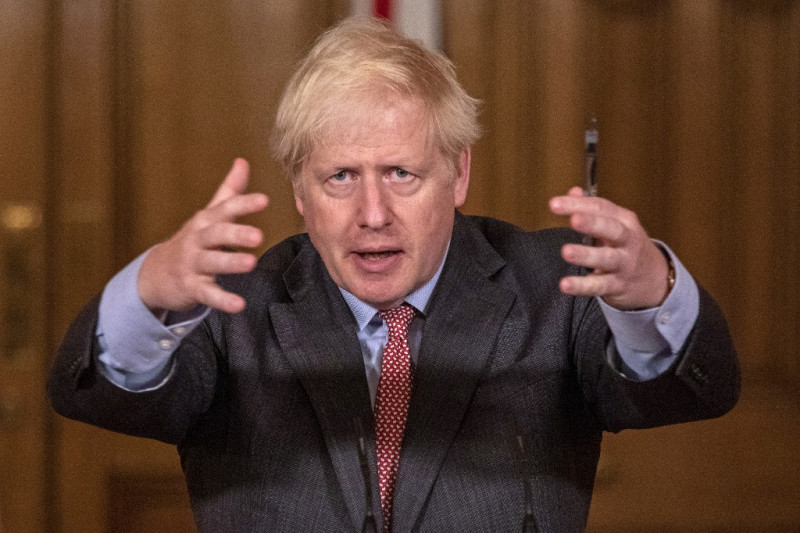
BRUSSELS – British Prime Minister Boris Johnson and European Union chief Ursula von der Leyen will hold another crisis call today to decide whether to abandon post-Brexit trade talks.
Today is the latest in a string of supposedly hard deadlines for the negotiations, but with Britain due to leave the EU single market in 19 days, tensions are rising.
Yesterday, Britain took the dramatic step of announcing that armed naval vessels will patrol its waters from January 1 to exclude European crews from the fisheries they have shared, in some cases, for centuries.
Brussels’ tone has been less bellicose, and von der Leyen has made it clear that the EU will respect UK sovereignty after Britain’s post-Brexit transition period, but neither side is yet ready to compromise on core principles.
Without a trade deal, cross-Channel trade will revert to World Trade Organisation (WTO) rules, with tariffs driving up prices and generating paperwork for importers, and the failed talks may poison relations between London and Brussels for years to come.
On Wednesday, after what von der Leyen described as a “lively and interesting” working supper with Johnson here failed to find a breakthrough, the EU chief said they agreed to “come to a decision by the end of the weekend”.
Much of the text of a possible trade deal is said to be ready, but Britain has rejected Brussels’ insistence on a mechanism to allow it to retaliate if UK and EU law diverge in a way that puts continental firms at a competitive disadvantage.
“The defence of the single market is a red line for the EU. What we have proposed to the UK respects British sovereignty. It could be the basis for an agreement,” said a senior EU source, echoing an earlier von der Leyen statement.
In London, a spokesman for the Johnson government stressed that Britain is ready to leave the union and handle its own affairs after 47 years of close economic integration, and that “as things stand, the offer on the table from the EU remains unacceptable”.
“The prime minister will leave no stone unturned in this process, but he is absolutely clear: any agreement must be fair and respect the fundamental position that the UK will be a sovereign nation in three weeks’ time.”
Earlier, Downing Street said the government has a playbook that “maps out every single foreseeable scenario” for potential problems after December 31, and “no one needs to worry about our food, medicine or vital supply chains”.
Johnson has said it is “very, very likely” the talks will fail, and EU officials have expressed similar pessimism, but British negotiator David Frost and his EU counterpart, Michel Barnier, carried on talking late into last night.
WTO terms would mean tariffs and quotas, driving up prices for businesses and consumers, and the reintroduction of border checks for the first time in decades.
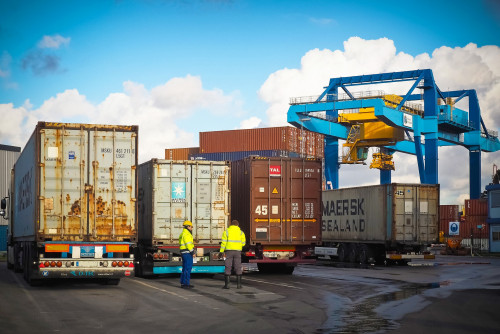
That has already raised the prospect of traffic clogging roads leading to seaports in southeast England, as bureaucracy lengthens waiting times for imports and exports.
Transport companies have warned that EU member Ireland could see import volumes shrink in the event of new customs procedures for goods routed through Britain. – AFP, December 13, 2020