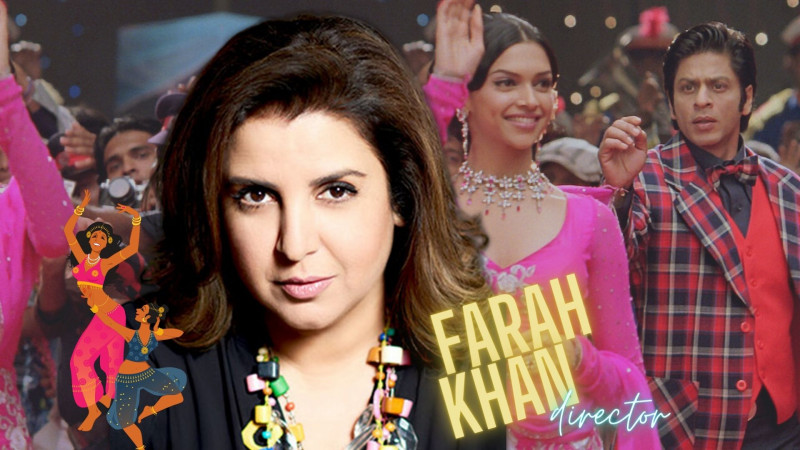

A NAME synonymous with hit Bollywood dance numbers, Farah Khan’s reign of success extends to more than just choreographing catchy hook steps and modern, yet exuberant moves.
For the Bollywood novice, one of her many best-known works is for the choreography behind the chart-topping song ‘Chaiyya Chaiyya’ from the movie ‘Dil Se’ (1998) featuring famed actor Shah Rukh Khan and actress Malaika Arora.
*The choreography of the song is said to be completed in four and half days.
“It’s very difficult to put into words how I go about my creative process, really. But the ideas and inspirations can come to me whenever I hear a song, read a script or watch a scene.
“For a song, I would hear it over a hundred times, and if there is a line that resonates with me, that is when the eureka moment happens and I would then interpret it in the dancing,” she said, on her choreographing process.
“I was very angsty all the time in the early years of my career because I wanted to direct a movie.
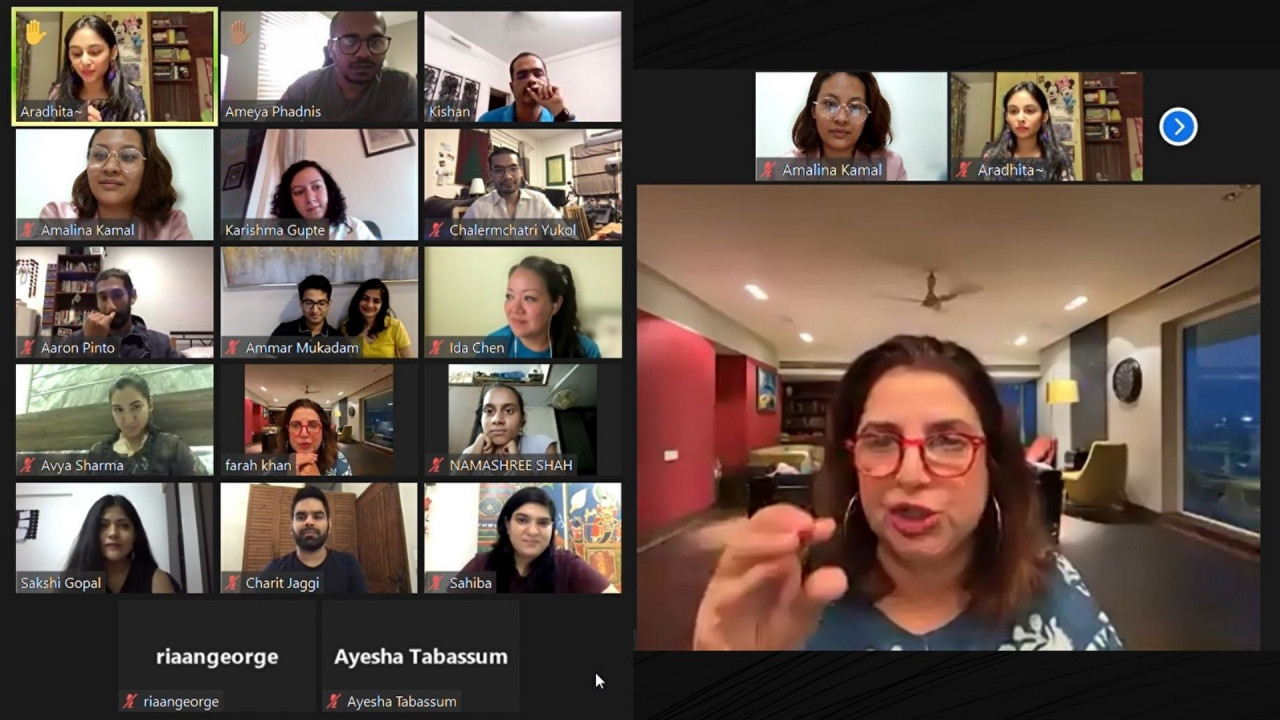
“Even when I started involving myself in the industry, my goal was to be a filmmaker. Being a choreographer was really a chance thing because I was a dancer,” she expressed during a virtual call.
My love and foray into Bollywood
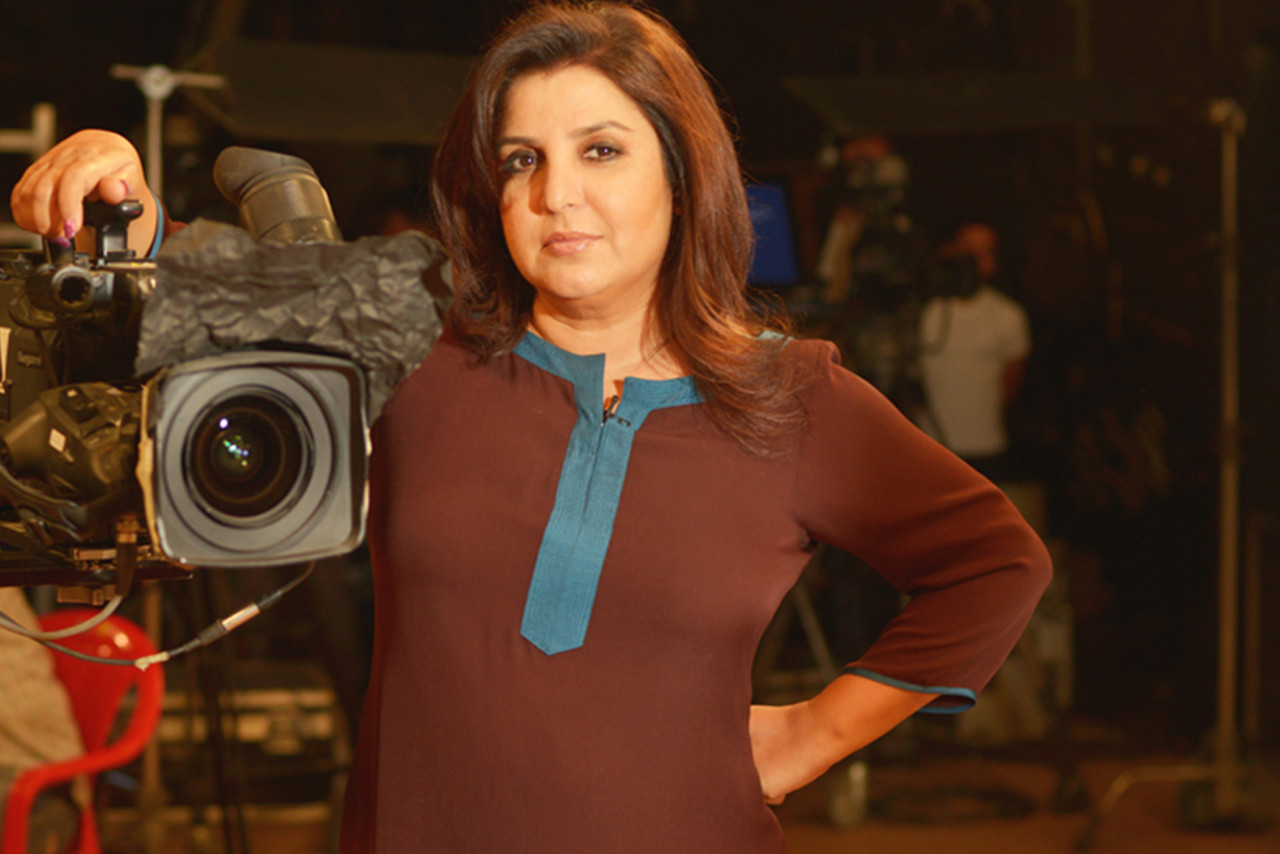
In a rare moment of fortune, we found ourselves participating in a closed-group dialogue session among Indian film students and industry practitioners with one of Bollywood’s notable female filmmaker-choreographer.
“I was not like a properly trained dancer, but I was obsessed with Michael Jackson and danced to his music that it groomed me (of sorts),” said Khan.
Sharing more about her passion for filmmaking – “I have always been Bollywood obsessed”.
“My father was a B-grade producer/director, and he used to make movies back in the 60s-70s.
“We come from a film crazy background, and sure enough there were a lot of discussions and debates that took place growing up,” she shared.
Khan also had a fair share of experience working in TV production. One is for the teleserial based on novelist R.K. Narayan's short stories, ‘Malgudi Days’ (1987).
She was the assistant director to Shankar Nag. Nag is a known Indian actor, screenwriter, director, and producer known mostly for his work in Kannada-language films and television.
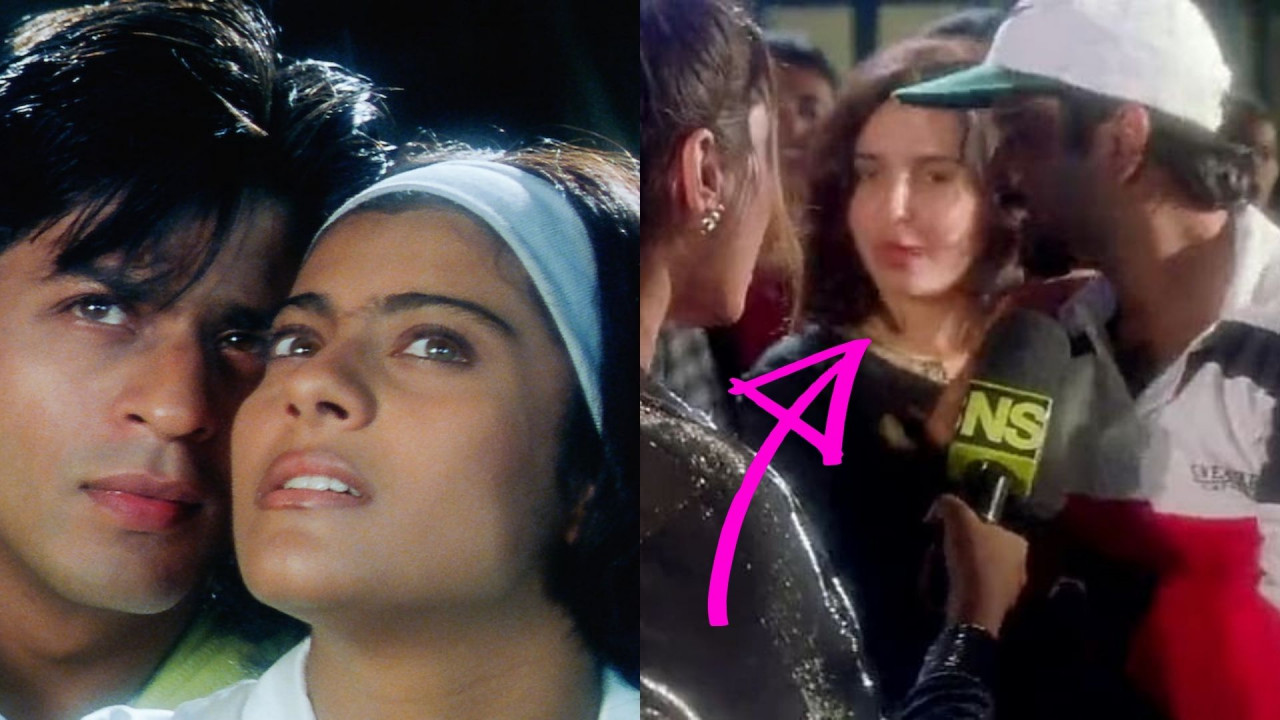
“I actually thought I would have gotten married in my early 20s, and I remembered my mom and aunts were stunned with the idea that they send me to Bangalore for me to focus on my career,” said Khan.
“Honestly, I think they were probably the only Indian family that would do so. Eventually when I came back, that was when I had a completely new mindset that I want to go into movies instead”.
On her experience as a woman breaking the glass ceiling by taking up crucial behind-the-scenes role(s): “Gender was never a challenge that I faced – it never bothered nor ever came in my way”.
“Nobody ever said to me that I will get a job based on whether I am a man or woman, and I guess there was no sort of challenges when it comes to such as far as directing/producing is concerned.
“The glass-ceiling here would be trying to make a big-budget movie as a newcomer. So, there was certainly pressure in that,” shared the filmmaker.
“There was also probably discrimination between actors versus actresses, because [Bollywood] is clearly a hero-based industry.
“All the big-budget projects go to hero movies, and smaller budgets go to the heroine movies,” Khan highlighted.
“I think this is where we [industry practitioners] need to be largely accountable.
“The subjects for the latter are seen as a niche, where issues touched on were not very micro-centric—it’s not like the portrayal of strong female characters and even scripts like we see in more recent Hollywood storylines such as ‘Wonder Woman’ or ‘Black Widow’.
“In short, while women-oriented movies don’t make much presence but as far as women [film] technicians are concerned, I did not face any gender discrimination,” she added.
“To break into the industry is not easy and I will not sugar-coat it. Bollywood is still very much a scene where if you know people, you will get a meeting/interview and screen test.
“However, things are changing for the better where even in recent years, a lot of casting agents were open to casting unknown faces,” said the director.
The kinship built and discovered
Khan’s work has long moved into film direction where her career has gained momentum for over three decades with a directorial debut through the film with ‘Main Hoon Na’ (2004), and the more locally known, ‘Om Shanti Om’ (2007).
Her reign of success over Bollywood as a director continued with her fourth super hit film, ‘Happy New Year’ (2014) starring none other than Shah Rukh Khan.
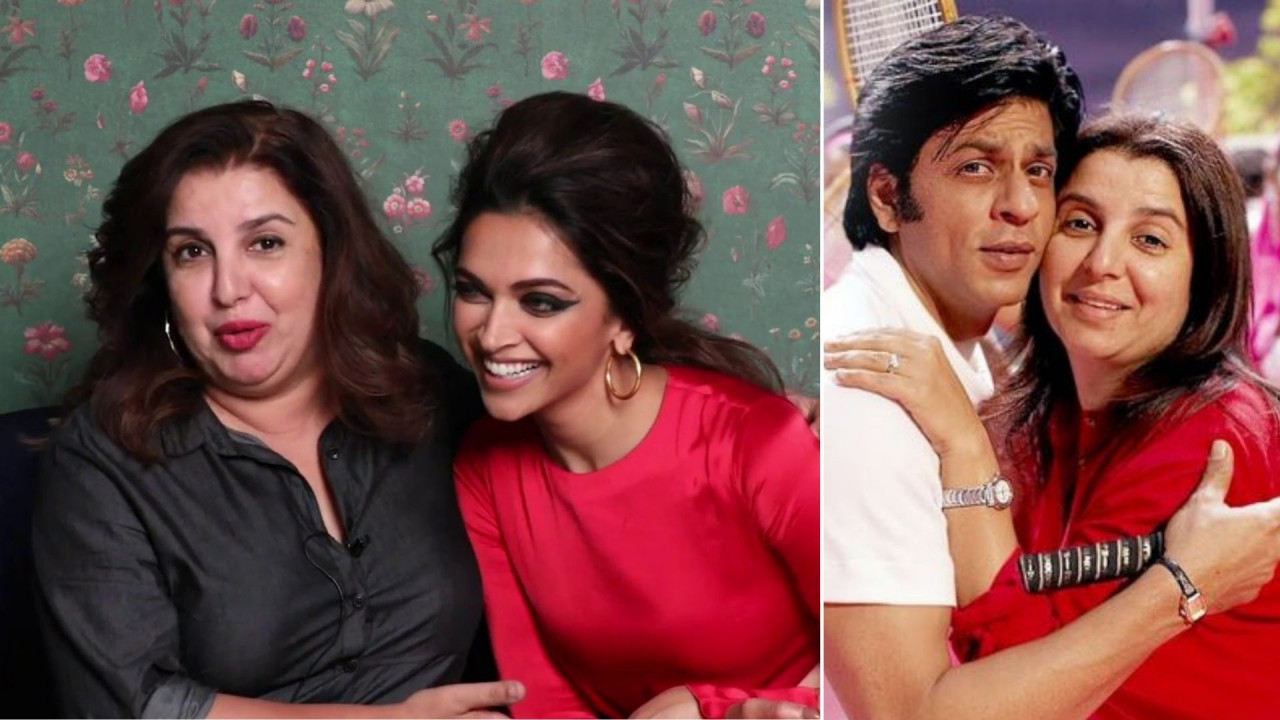
“Shah Rukh had faith in my directorial capabilities from earlier on and even pushed me to write a script, not just for my work in choreography,” highlighted Khan. Her friendship with the actor grew after having a meeting on a second work involvement she was fortunate to take part as a newcomer.
“For three years at the start of my career, he kept pushing me to excel but it was not because I was his friend that he blindly trusts. He would still give me pointers on how to navigate and provided industry advice for me to make a name for myself.
“Of course, it all began with him continuously insisting I help do choreography for his songs. My work was seen as fresh and different, not like the other dance masters of that time – I was younger and the moves I proposed were more diverse.
One of the film students pointed out in the call that Khan is known to have discovered the dimpled-beauty actress Deepika Padukone, who has graced both Bollywood and Hollywood scenes to date.
Detailing how it is like to now be seen as a mentor for a lot of people in the industry, especially among her younger industry peers and aspiring talents aiming to become a star in their own right, the filmmaker shares, “mentoring comes naturally where you will only do so by putting the time and effort into someone that you believe, is talented and find merit in”.
“To survive, the hard work should never stop even if you have become successful. In fact, the more successful you are, the greater the effort should be.
“I have been in the industry for 30 years now, and I still feel like I have to give my 100%,” she said.
“When I first met Deepika, she was not that good. Her diction was bad and had a very peculiar accent that we had to groom further.
“But I still had faith in her because she carried a certain poise and grace of the 70s that I was looking for. After a few classes, her voice modulation is very fantastic now,” Khan added.
Having faith by allowing for ‘the start of something new’ to take place is what the notable filmmaker had done during the dialogue session.
At that moment, Khan granted three budding young talents to pursue their passion by allowing two aspiring actresses to link with her personal casting directors to share their portfolio and potential screen test, and a separate invite for a young aspiring filmmaker to be part of an upcoming engagement with her.
“Sometimes, as a filmmaker, you want an actor who has the whole package from the beginning but there are also times where you just have to take a chance,” she said.
What works, what doesn’t?
When asked about what makes a good Bollywood storyline, given that it has such a significance among audiences beyond the country it calls home – particularly among communities who speak different languages (Malaysia included) – Khan said, “There is no simple equation, and it depends on the interest of each audience or director telling the story”.
“Someone will make a story with a moral message, some will conceptualise it darker—it is truly individual taste. This is why I get very angry when critics go to town in telling how a story should be told.
“Of course, the ultimate goal is to have everyone love our movies, and it is such a lie if you say you don’t care about box office returns.
“It’s human nature to be hungry for appreciation. We want the whole world to praise us, on top of having our work make money, and people enjoy watching it,” said the filmmaker.
On whether over-the-top (OTT) media services offering entertainment directly to viewers via the Internet disrupts the cinematic experience: “I think this shift is similar to when TV was introduced, and people thought at the time that Bollywood would be over. But when you go to a cinema, you are looking for a specific type of experience”.
“So, it is very complicated to say because OTT movies are movies you watch from the comfort of your room for free.
“I think regardless of it, you would still see good stories produced, and I think people are just spoilt for choices. It’s just that the pandemic situation has allowed for one to be more appealing than the other.
“However, if you were to ask me personally, audiences still prefer the shared experience. While brands, press, and critics are soon more on OTTs, the viewership [for Bollywood films] is extremely small,” she said.
“I make movies with slightly over-the-top dramatisation with the big filmy dialogues because I grew up watching those movies. The vision is always a little larger than life, and I don’t think I will ever stop,” added Khan. – The Vibes, August 21, 2021