
AS we move towards normalising mental illness, in both our approaches and responses, the shift towards accurate portrayals with regards to our cognitive function in entertainment media is needed.
Reinforcing or challenging socio-cultural notions can’t work if the awareness of our mental health is biased to maintain sensitivities.
Most may not agree but how else would we address misconceptions in the right way?
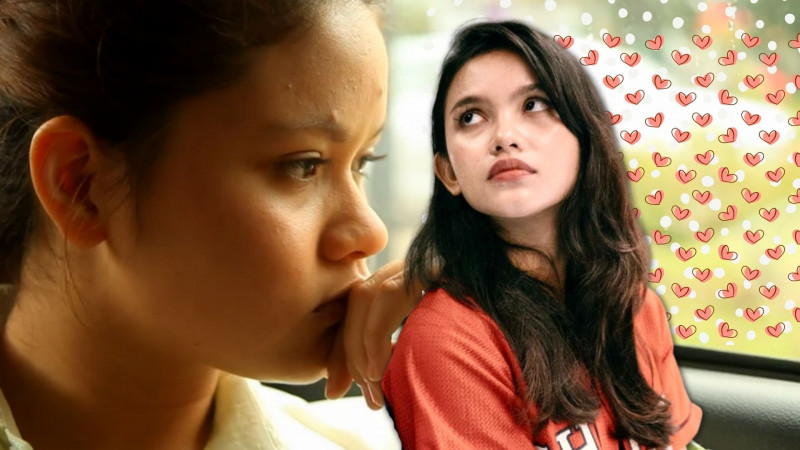
Actress Sharifah Aryana (Diri) and director Farihin Ufiya (Palsy) share their thoughts with The Vibes Culture & Lifestyle in the interview below…
‘Any story you want to tell, tell your own’
The Vibes: Obvious question due to the history of being in a family of actresses, but what made you also get involved in film?
Sharifah Aryana: I think any form of art, be it film, theatre, tv, paintings, they are all a timestamp in our lives. In many artists' lives. I have always loved the stories that were being told. My mother used to read bedtime stories to us and now whenever my nephews or nieces sleepover, I read them bedtime stories too. Film is an easily digested form of storytelling because it is highly visual. But as long as it involves storytelling, I’m in.
TV: Growing up how did you creatively express yourself and who was your role model?
SA: My parents would spend time with us watching films, paint, we would ride bicycles around Paya Indah, my father would bring us travelling a lot while teaching us about photography. My sisters and I would put on shows in our parent’s room just to entertain them. I feel like my family is my number one role model. My mother is an actor and used to dance for shows while my father is one of Malaysia’s prolific photographers. Most of our expression was through all sorts of art forms.
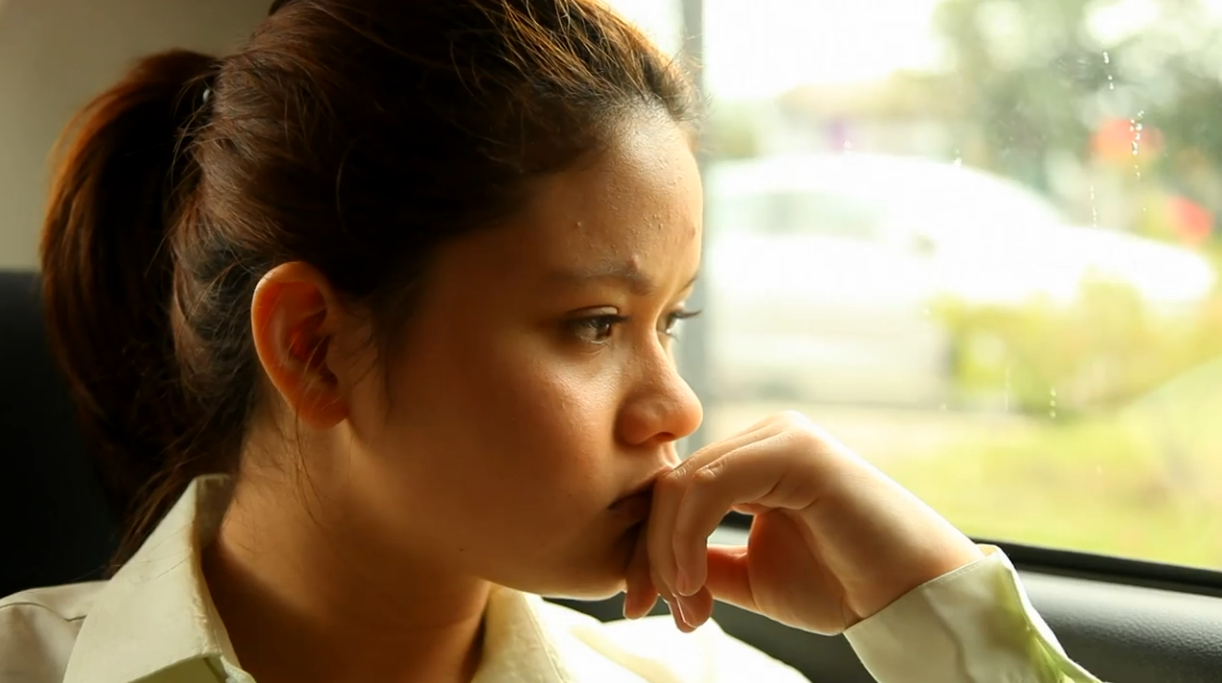
TV: ‘Diri’ tells the story of moving on from an abrupt / tragic death of a loved one. What made you agree to be part of telling the story?
SA: When I read the script, it hit so close to home. I feel like, as a family, we take turns keeping each other alive and keeping each other safe. ‘Diri’ brought alive my worst nightmare in which “what if I didn’t get to save my sister?” It was one of the most difficult roles I ever had to play because I was essentially living my worst nightmare through Aishah.
‘Diri’ was written and directed by my talented, poetic sister, Sharifah Aleysha. I was a mere vessel of an actor. But I believe that any story you want to tell, tell your own. I think that because Aleysha didn’t think of mental health specifically while writing this film, that's why it didn’t come off as an outright mental health short film. She wanted to tell a story about the unbreakable bond between sisters and it just so happens that one of the sisters had mental health issues.
TV: How should we engage in discussions about mental health and suicide prevention? Share your thoughts on the three layers of focus – individual, peers, community.
SA: I think first things first, we as a community should end the negative stigma that comes with mental health. Our first step should be to normalise talking about it, encouraging people to get help, make therapy accessible and take it as a responsibility to educate ourselves about the matter. It’s 2021, the time to Google, YouTube, TikTok as much information about mental health as we can.
As peers, I can only ask for everyone to be more kind, accepting and less judgmental. It’s easier said than done, I understand. But especially now, in these times, kindness goes much further than we realise it. It’s okay to catch up on a random call or just drop a text to a friend you haven’t spoken to in a while. We are literally all we have sometimes and here is a reminder, from me, that you are not alone.
Individually, all I can say is that a fire usually only burns when we sit still in the middle of the flame. Once you’re out, you can finally heal. The flames don’t last forever. If you have access to therapy, please please try it out. We have the chance to be the generation who breaks the cycle of trauma. We must heal our wounds so we all, collectively, can stop bleeding on each other.
TV: What message do you have for Layar Perak viewers? Why should they look forward to the screening, specifically to watch ‘Diri’?
SA: If you are close to your siblings, keep their numbers on speed dial because you will want to call them and tell them you love them at the end of the film. Hahaha. I just hope people enjoy the film, take care of each other and whatever is happening now, just remember that this too shall pass. I love all of you and please stay safe!
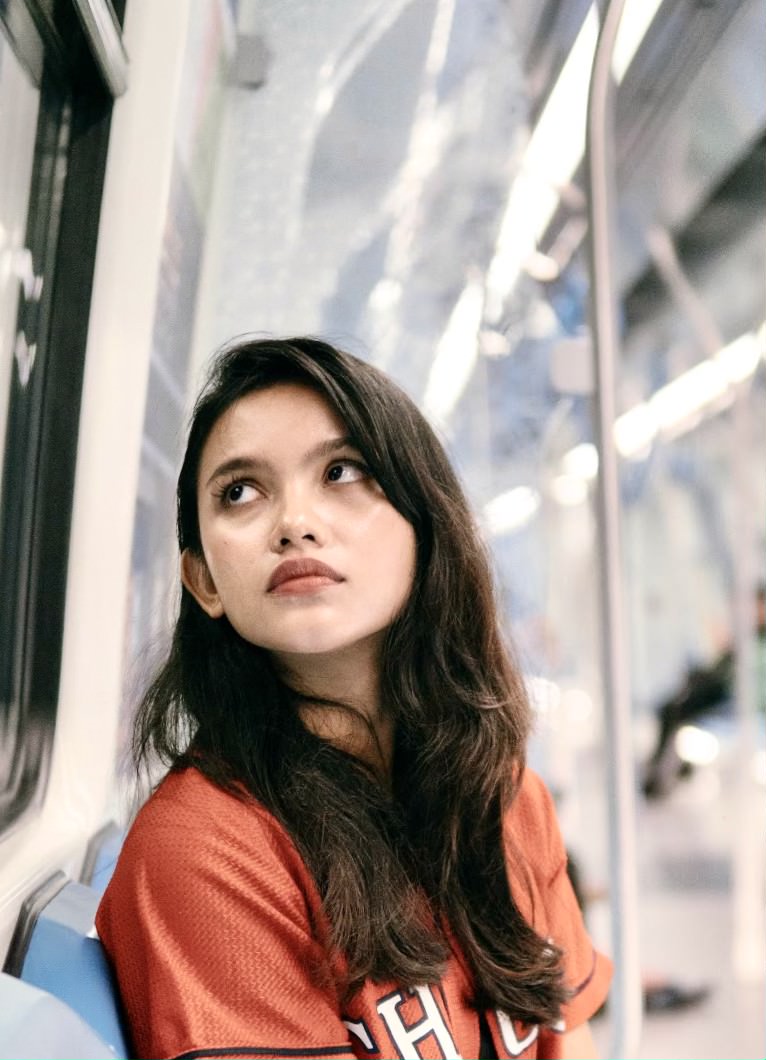
‘Personal conversations should be organic’
TV: Farihin, could you share your main goal now that you have started your journey as a filmmaker, and why you chose to make a directorial debut with a storyline that plays heavily on mental health?
Farihin Ufiya: My goal is to produce sci-fi films that explore metaphysical themes. I come from a psychology and neuroscience background. Thus, I was comfortable with and interested in exploring a psychiatric condition for my first film. In the future, I would like to deconstruct other cognitive science concepts, like memory and perception.
TV: You have experience in acting before, and now transitioning into directing shorts. What do you like most about the two?
FU: Films are my favourite artistic mediums, thus being a part of one, as a cast or crew, is always rewarding. The best part about filmmaking is inhabiting foreign environments and doing things you (hopefully) don’t get to do in real life, such as burning buildings and devouring someone’s small intestines.
TV: So, which is more challenging and gives you creative satisfaction?
FU: Being on a film set is generally physically and mentally taxing, but I didn’t realize how fortunate I was as an actress to show up once a quarter of the work is done (pre-production) and leave when half of the work is undone (post-production). Both offer creative satisfaction; acting allows for more emotional catharsis but directing allows for more creative control.
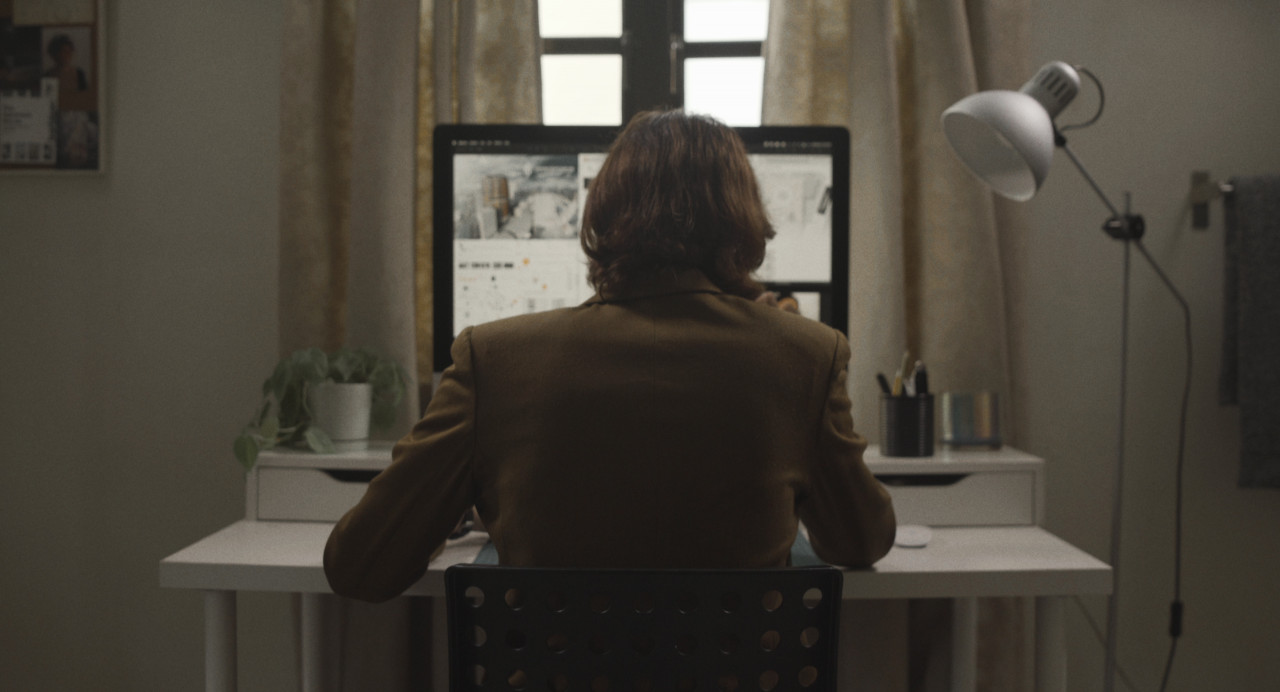
TV: You are also the writer for ‘Palsy’, how long did it take you to complete it? What helped you most?
FU: The first version of the script only took us two weeks to write, but as we were preparing to film, a new movement control order (MCO) was announced. Thus, we continued amending it up until filming began, which was 3 months later.
TV: Any thoughts about the collaborative nature of filmmaking? Is it hard as a female figure leading a production?
FU: The set was a bit small, so once the camera started rolling, it would just be me and a group of men who were much older and more experienced than me. If I’m honest, it was intimidating, despite how kind and accommodating everyone was. I think this had less to do with my gender and more to do with my lack of experience, but I managed to work through my shyness and fear by admitting them to myself and my producer.
TV: In your opinion, how should we engage in discussion about mental health and suicide prevention? Share your thoughts on the three layers of focus – individual, peers, community.
FU: Hard-and-fast rules about mental health conversations at an individual level have always seemed absurd to me. Personal conversations should be organic; I refuse to participate in stifling them. I believe in fostering and communicating authentic empathy; a list of politically correct talking points cannot disguise apathy and bad intentions.
At the community level, we should have more discussions on the multicausality of mental illness and suicide. In the past, various mental illnesses were solely attributed to a lack of religiosity or spirituality, which increased stigmatisation and decreased help-seeking behaviour.
However, it seems that we have now overcorrected for that by overemphasizing biological/medical causes, which has been found to induce pessimism and helplessness. Preserving multicausality and nuance in public discussions is difficult, but important.
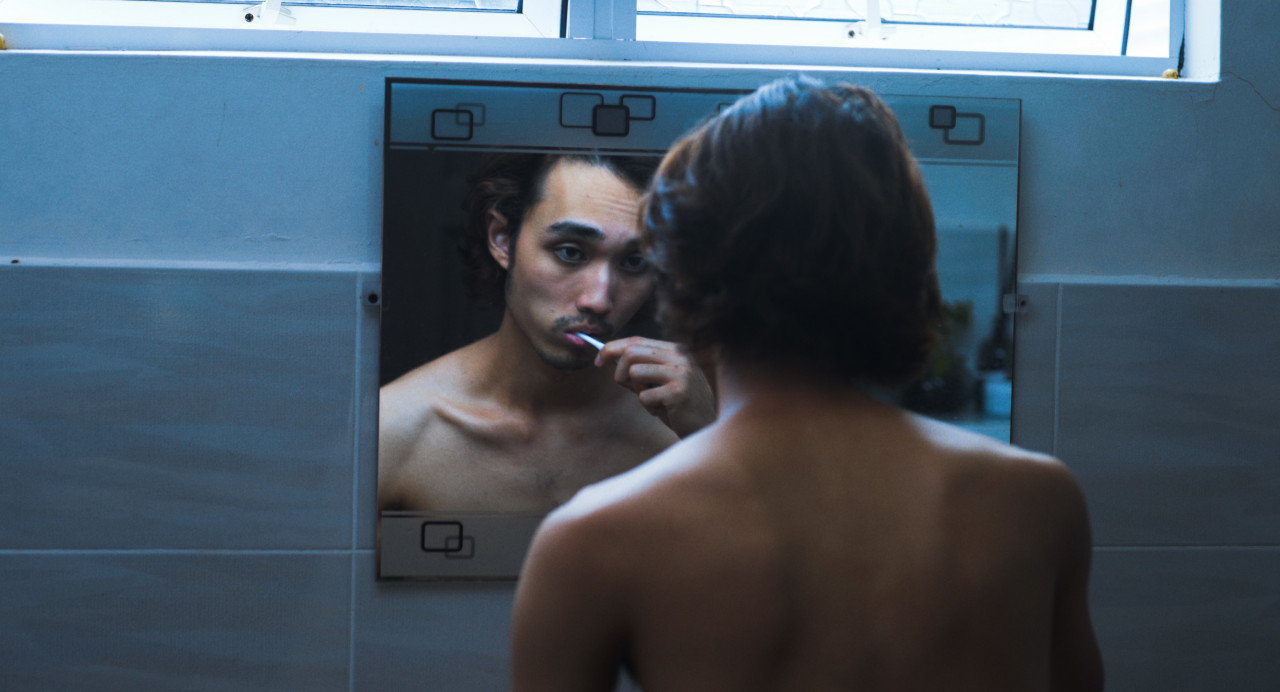
TV: What message do you have for Layar Perak viewers? Why should they look forward to the screening, specifically to watch your short film?
FU: Layar Perak viewers can look forward to comparing the different styles and approaches filmmakers have taken to explore a common theme. – The Vibes, September 12, 2021
*Follow The Vibes next weekend for more sharing on the remaining directors of the curated short films of the upcoming ‘Layar Perak: Let There Be Light’ screening set to take place on September 25




_-_SYEDA_IMRAN_-_26.jpg)