
IN this second engagement with the filmmakers featured in tomorrow’s 'Layar Perak: Let There Be Light' online screening event, The Vibes Culture & Lifestyle gets in depth about the meaning of effective psychological portrayals in entertainment.
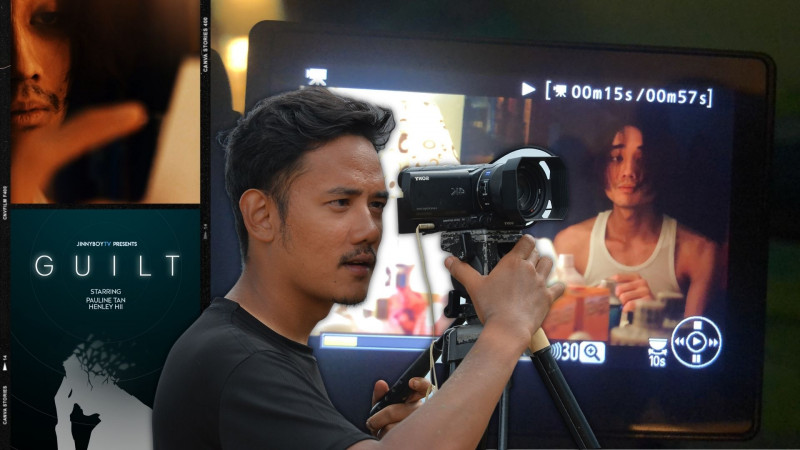
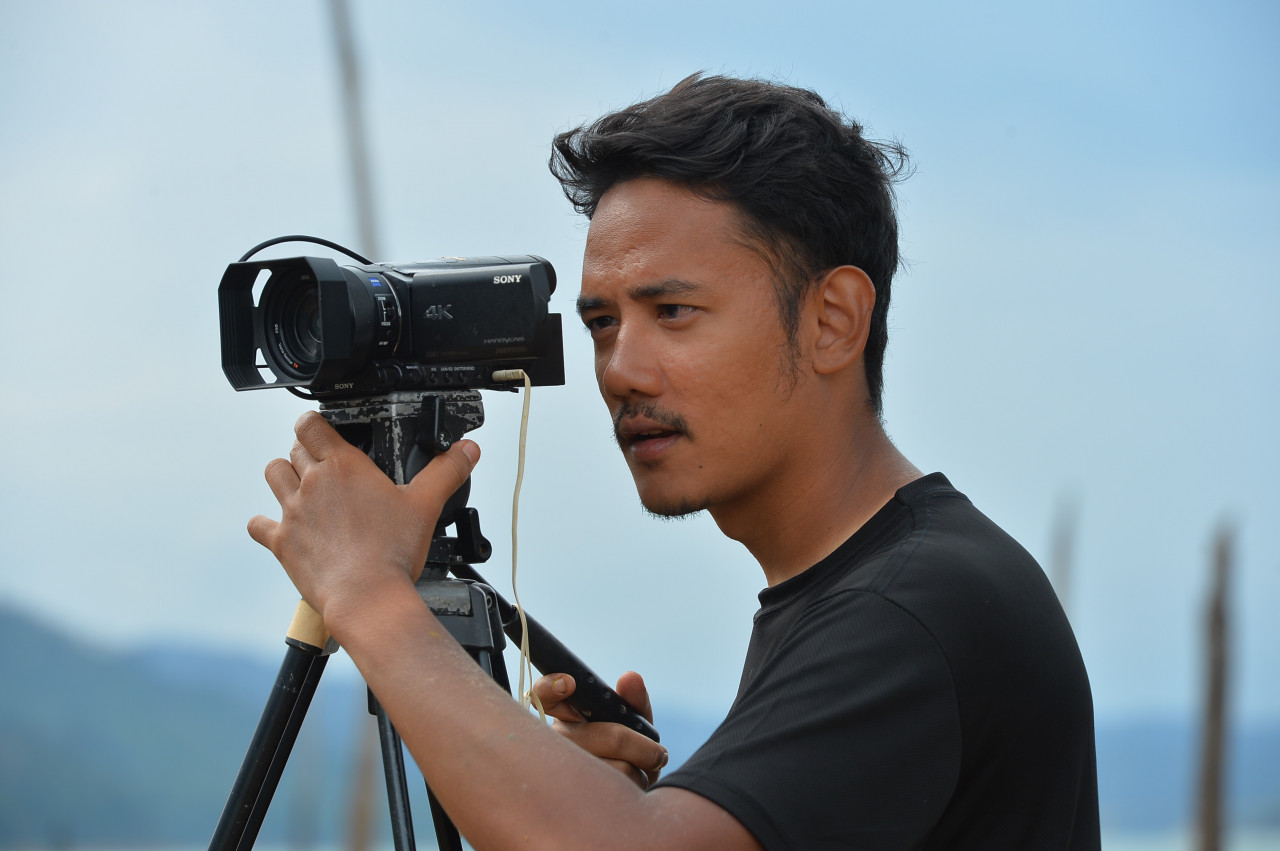
Feisal Azizuddin and Jason Lee, the directors behind ‘if I can’t see the sun, maybe I should go’ and ‘Guilt’.

More in the interview below...
‘The worst thing to do is to over simplify’
The Vibes: To start off, what are your thoughts on the power of using film to support mental health?
Feisal Azizuddin: Trying not to sound biased, but film is probably the best medium to get a message through. We have seen depictions of mental health through powerful films such as The Blind Side (2009) and A Beautiful Mind (2001). I believe film has the power to effectively spread mental health awareness because everybody loves stories, especially those that can resonate.
TV: What do you think is needed to ensure a storyline is able to portray mental health conditions the right way?
FA: I believe empathy and understanding of the subject matter is key to ensuring that films with mental health elements are portrayed accurately. The worst thing to do is to over simplify the subject and relegate it to a means of entertainment.
TV: What was the inspiration behind your short film ‘if I can’t see the sun, maybe I should go’?
FA: Throughout the past year, suicide rates soared during the pandemic. I felt not enough attention was given to this alarming rise in cases. I felt the need to highlight this by writing a short film which would initiate a discussion on ‘suicides’ and the apprehension of talking about it.
TV: ‘Joker’ was one of the celebrated box office movies that portrayed the conditions and aftermath of dealing with social and psychological struggles. In what way is your film able to depict the nuances of mental well-being fittingly?
FA: The pandemic reshaped how society interacts. In the sense of lockdowns, the lack of physical social interaction can drive one into depression, coupled with the effects of the pandemic on the economy. ‘if i can’t see the sun, maybe i should go’ aims to bring forth this conversation, based on personal experiences.

TV: Can filmmaking itself be stressful? What are some of the ways to advocate for better conditions?
FA: Filmmaking is a collaborative effort. With so many individuals involved, managing people and expectations can be difficult. Especially working with a small budget and racing against time, a film production is a recipe for chaos.
That being said, I love it. I love the poetic mayhem and the hustle and bustle of everyone working towards crafting something beautiful together. One aspect that would be beneficial for everyone would be to implement a royalty/residual system for the cast and crew. This would go far in motivating them to continue to work harder as well as provide support for their future.
TV: Anything you would like to share with Layar Perak viewers?
FA: The Layar Perak screening will showcase important films that explore mental health struggles in Malaysia. It will be exciting as there is an interesting lineup of films, from young filmmakers as well as established, acclaimed ones.

‘Stigmas exist when there is a lack in communication’
TV: Hi Jason, we would like to know why you decided to approach ‘Guilt’ and present the story foregoing the need of physical acting scenes?
Jason Lee: It was mostly born out of necessity, since the idea was conceived at a time when we couldn’t go out and physically shoot this film. While being limited in the methods that we could execute it, we discovered and were inspired by many scripted podcasts and audiobooks, where they tell stories using only audio.
Hence, I started writing the story to be only told through voice messages and phone calls for it to be a completely auditory experience. Looking back, it greatly helped in pulling audiences into a more intimate and impactful experience, as it puts audiences directly in the shoes of these characters and allows them to feel what the characters are feeling. It was an interesting experiment that I’m glad worked out in our favor.
TV: Why does the film industry need to explore more about issues related to mental health including other emotional factors such as suffering, loss, and grief?
JL: I’ve always felt that the medium of film is a great tool for people to engage in different experiences and emotions that we may not have the opportunity to experience in our own life. For topics that are not frequently discussed openly such as mental health and grief, films are able to provide various opinions and perspectives that could lead to greater understanding amongst people who are less knowledgeable about these topics.
More than once has a film come along that helped me process my own emotions through the stories that they tell, which is why I feel the film industry shouldn’t shy away from these topics and filmmakers should embrace telling more vulnerable stories.

TV: What would be the ultimate repercussion of internalising stigma? How are you hoping to overcome it through your creative work?
JL: Stigmas that are internalised leads to misinformation, confusion, unfair discrimination and furthers the propagation of said stigmas. How these stigmas exist is because of the lack of communication about topics like mental health and its effects, which causes people to create their own preconceived ideas of it and the core topic would usually be minimised and generalised.
Which is why there needs to be an open discussion about marginalised topics so that the general public is educated and people are able to live freely without suffering from stigmas set by society. I would hope for my current and future work to be able to contribute to this discussion, as it is an issue that sits close to my heart.
TV: Lastly, what message do you have for Layar Perak viewers? Why should they stay tuned to watch ‘Guilt’?
JL: I hope that through watching 'Guilt', viewers will gain a deeper appreciation for their loved ones, especially in these times when the pandemic doesn’t seem to be going away anytime soon. We can often feel alone in this world, but we shouldn’t let our grief, guilt, and loneliness consume us.
There will always be somebody there for us, be it our family, friends, or even a stranger on the Internet, if we would only have the courage to reach out. – The Vibes, September 24, 2021
*‘Layar Perak: Let There Be Light’ screening is set to take place tomorrow at 8.30pm. Watch the trailer below and follow The Vibes on Facebook to tune in.




_-_SYEDA_IMRAN_-_26.jpg)