EXPERTS are urging careful management of sleep and meal schedules during Ramadan to prevent extreme tiredness and the risk of microsleep, a brief, involuntary lapse into sleep that can occur at any time.
Professor Dr Louis Adaikalam, President of the Sleep Apnea Association of Malaysia, explained that many individuals fail to recognise how shortened sleep hours and altered meal routines can impact health and safety during the fasting month.
“Many are unaware that during Ramadan, numerous changes occur in eating, sleeping and lifestyle habits.
“People who normally eat three meals a day reduce to two, at iftar and suhoor,” he said.
“Some do not adjust accordingly. They stay up late for tarawih prayers, rise before dawn for suhoor, and then head straight to work. This can lead to fatigue and, ultimately, microsleep while driving.”
Professor Louis highlighted that diet also plays a crucial role in maintaining energy levels. Neglecting nutritional choices can accelerate fatigue, contributing further to microsleep episodes.
He recommends consuming sufficient water during suhoor and iftar to stay hydrated, and including high-fibre foods, complex carbohydrates, and protein in meals.
“Do not underestimate the importance of food selection. High-fibre meals remain in the stomach longer, preventing hunger until the afternoon and reducing drowsiness, which is especially vital when driving,” he said.
He noted that microsleep can occur at almost any time of the day during Ramadan, influenced by altered sleep and meal patterns. Early mornings after suhoor, around 1pm to 4pm, are particularly high-risk periods due to natural circadian dips and declining blood sugar levels.
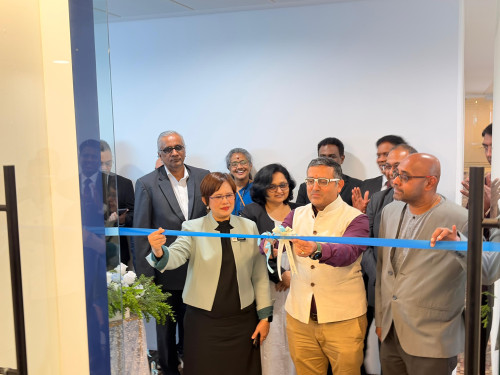
In recognition of these challenges, the Sleep Apnea Association of Malaysia, in collaboration with Sama-Sama Hotel, has launched the ‘Jom!! Balik Kampung Dengan Selamat’ campaign, aimed at preventing road accidents caused by fatigue and microsleep during the upcoming Aidilfitri travel period.
“This campaign coincides with World Sleep Day on 13 March, promoting awareness of proper sleep practices and preventing sleep-related health issues,” Professor Louis said.
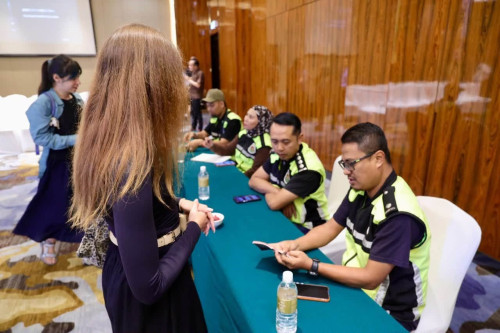
The initiative includes training courses focused on sleep management, health, well-being, and road safety, specifically designed for workers. Employers can enrol staff in these courses, with expenses reimbursable through the Human Resource Development Corporation (HRD Corp).
“The programme is extensive because we want everyone travelling during Ramadan and Aidilfitri to return home and back safely,” he added.
The campaign also involves key agencies including the Road Transport Department (JPJ), Land Public Transport Agency (APAD), Malaysian Institute of Road Safety Research (MIROS), and the Ministry of Transport (MOT) to facilitate discussion and address participant concerns effectively.
Professor Louis emphasised that fostering awareness of sleep and nutrition adjustments during Ramadan is essential not only for individual health but also for wider public safety. - March 15, 2026