
HOME to more than 100,000 species of wildlife, Malaysia’s rainforests are incredibly diverse and are home to animals that are not just rare but are also endangered.
On this World Wildlife Day, let’s take a moment to appreciate our rich ecosystem by getting to know our wildlife better.
Here is a compilation of the different species of animals often mistaken for one another, shared by non-profit environmental organisation The Habitat Foundation, as part of its #samesameBUTdiffferent social media campaign, with an addition to the list.
Armadillos vs Pangolins
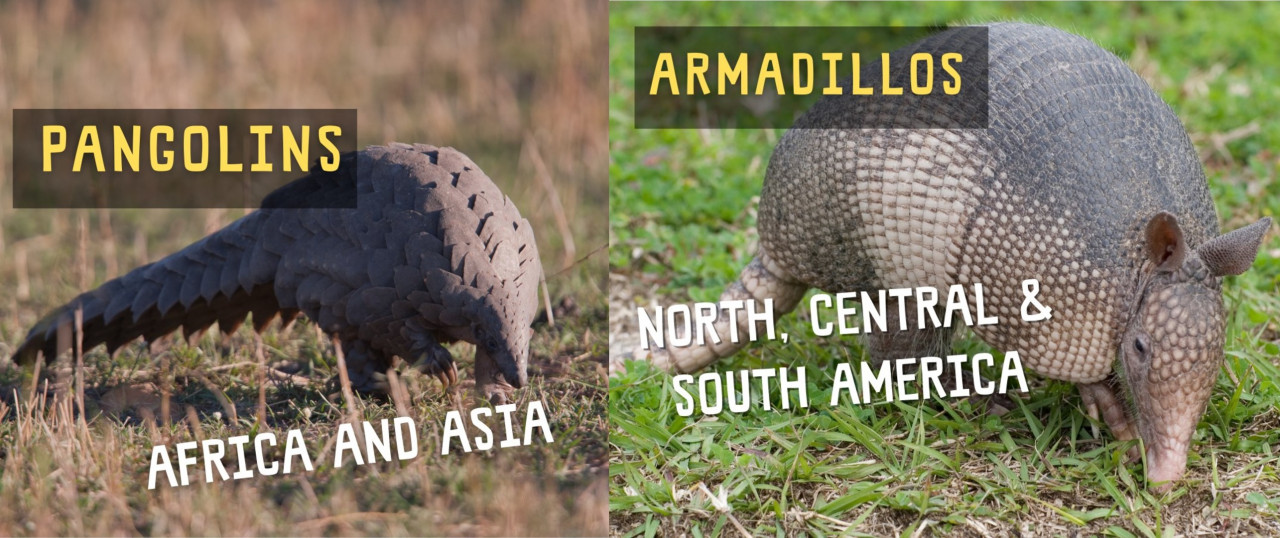
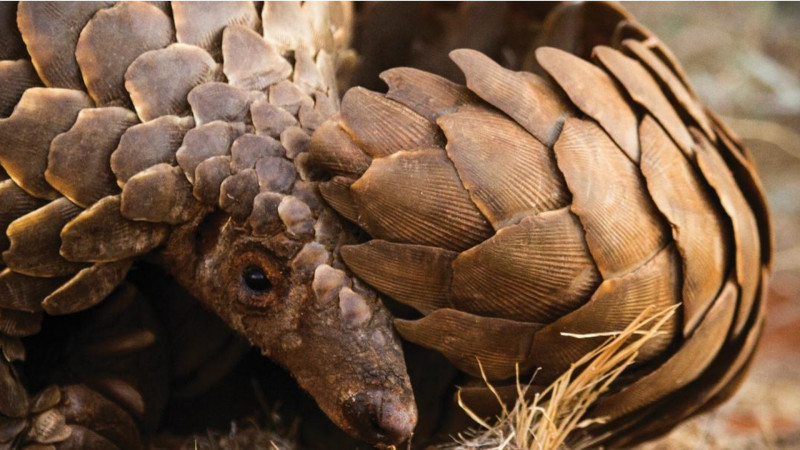
Though many may think Pangolins are reptiles, they are actually mammals – the only mammals wholly-covered in scales to be precise. The scales are used to protect themselves from predators in the wild. If under threat, a pangolin will immediately curl into a tight ball and will use their sharp-scaled tails to defend themselves. Because they have no teeth, pangolins pick up food (ants, termites and larvae) with their sticky tongues, which can sometimes reach lengths greater than the animal’s body.
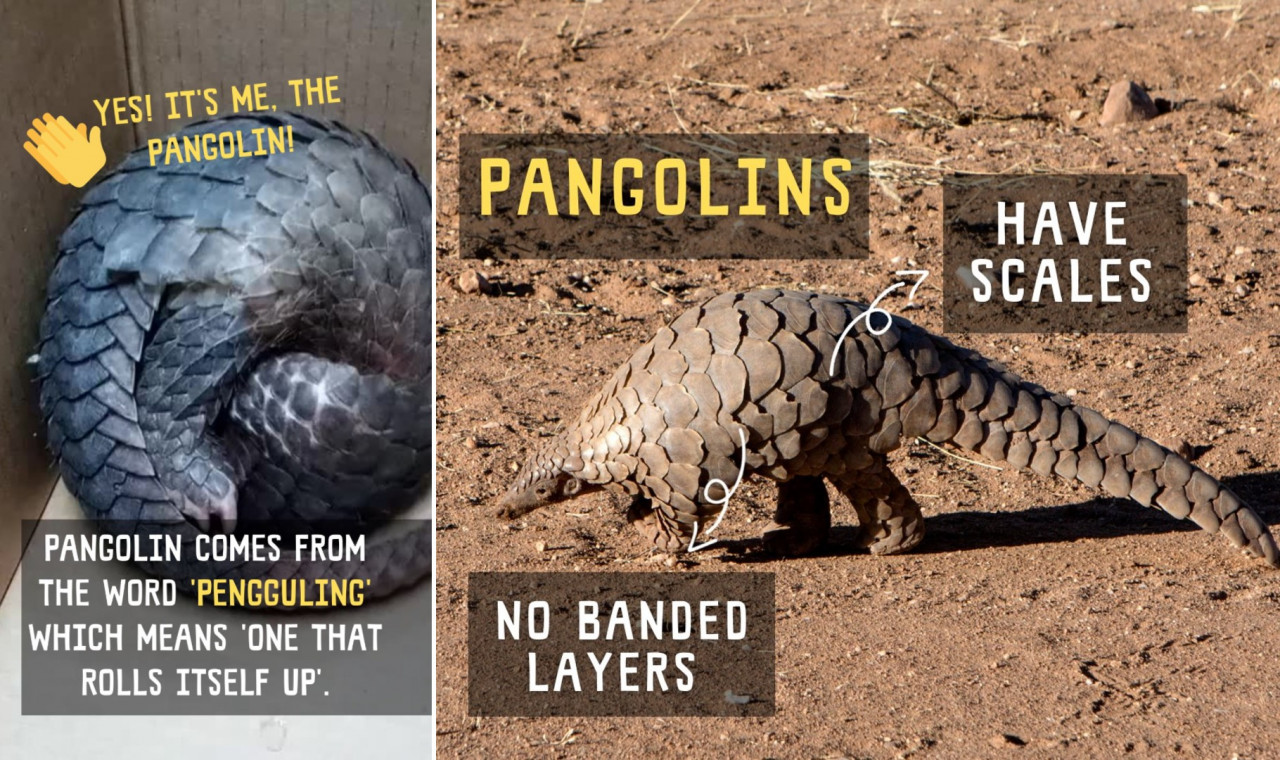
The Sunda pangolin is under threat in Malaysia where it is hunted for both local consumption and for international trafficking. However, it was reported back in 2019 that the Sabah Pangolin Sanctuary and Research Institute (Sapsari) will be created in a national park, in southeast Sabah, focused on the important development in the conservation of Sunda pangolins in Malaysia.

Armadillos are often grouped together with anteaters because of their behavior and similarities in their diet. But there are significant differences between the two mammals in terms of physical characteristics, habitat, taxonomy, behavior and reproduction. Armadillos are generally larger than pangolins and have long tails and short limbs. They have tiny, pointed eyes and long, tube-shaped snouts.
Dugong vs Manatee
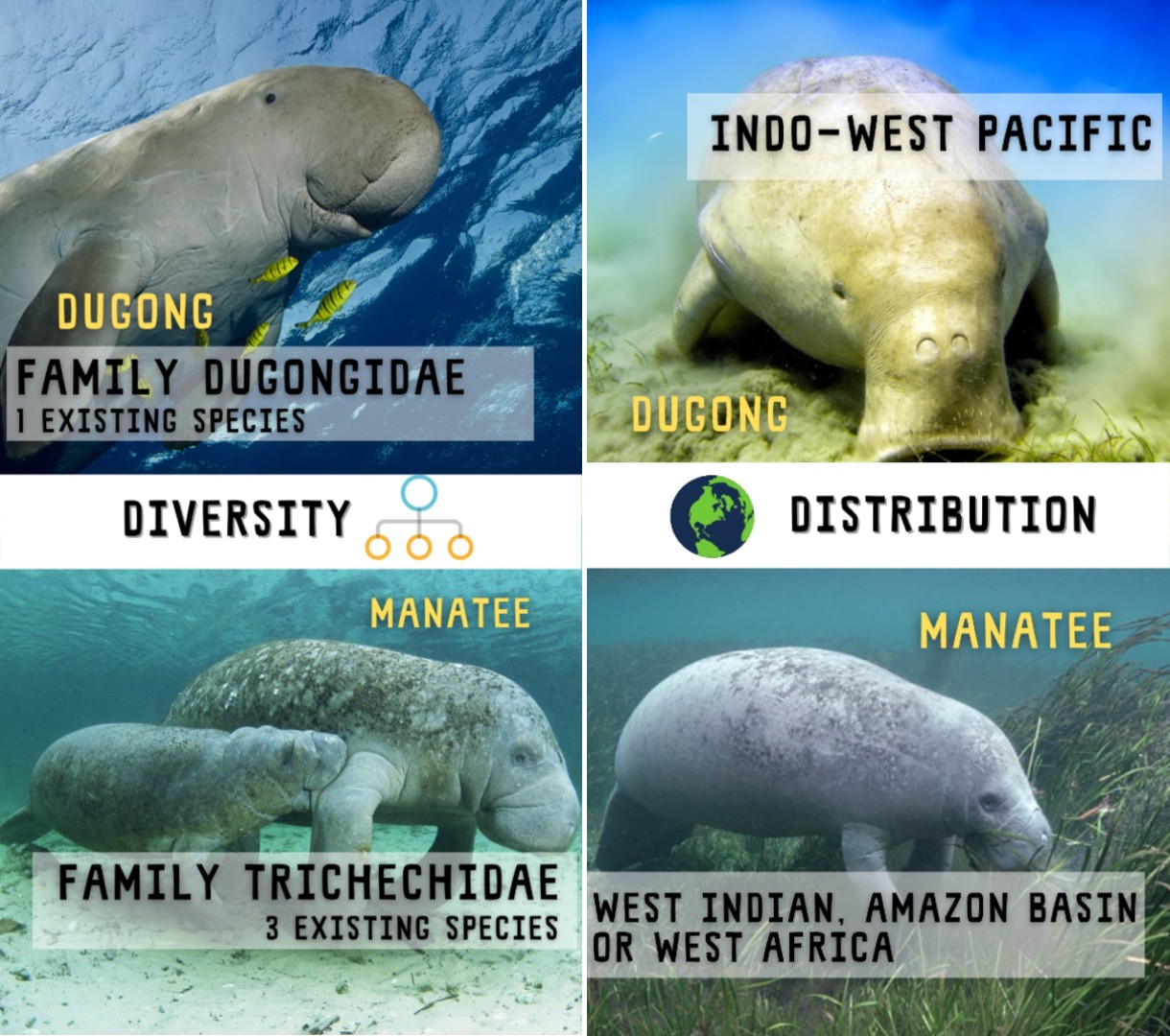
Both manatees and dugongs, nicknamed "sea cows", are slow-moving herbivorous (mostly) marine mammals that belong to the Sirenian animal order. There are five known species of Sirenia – the West Indian manatee, the Amazonian manatee, the West African manatee, the dugong, and the extinct Steller's sea cow (hunted to extinction in the 18th century).
Dugongs never leave saltwater. They spend their entire life in shallow, sheltered coastal areas such as bays and mangrove swamps. Manatees, on the other hand, can be found both in fresh and saltwater.
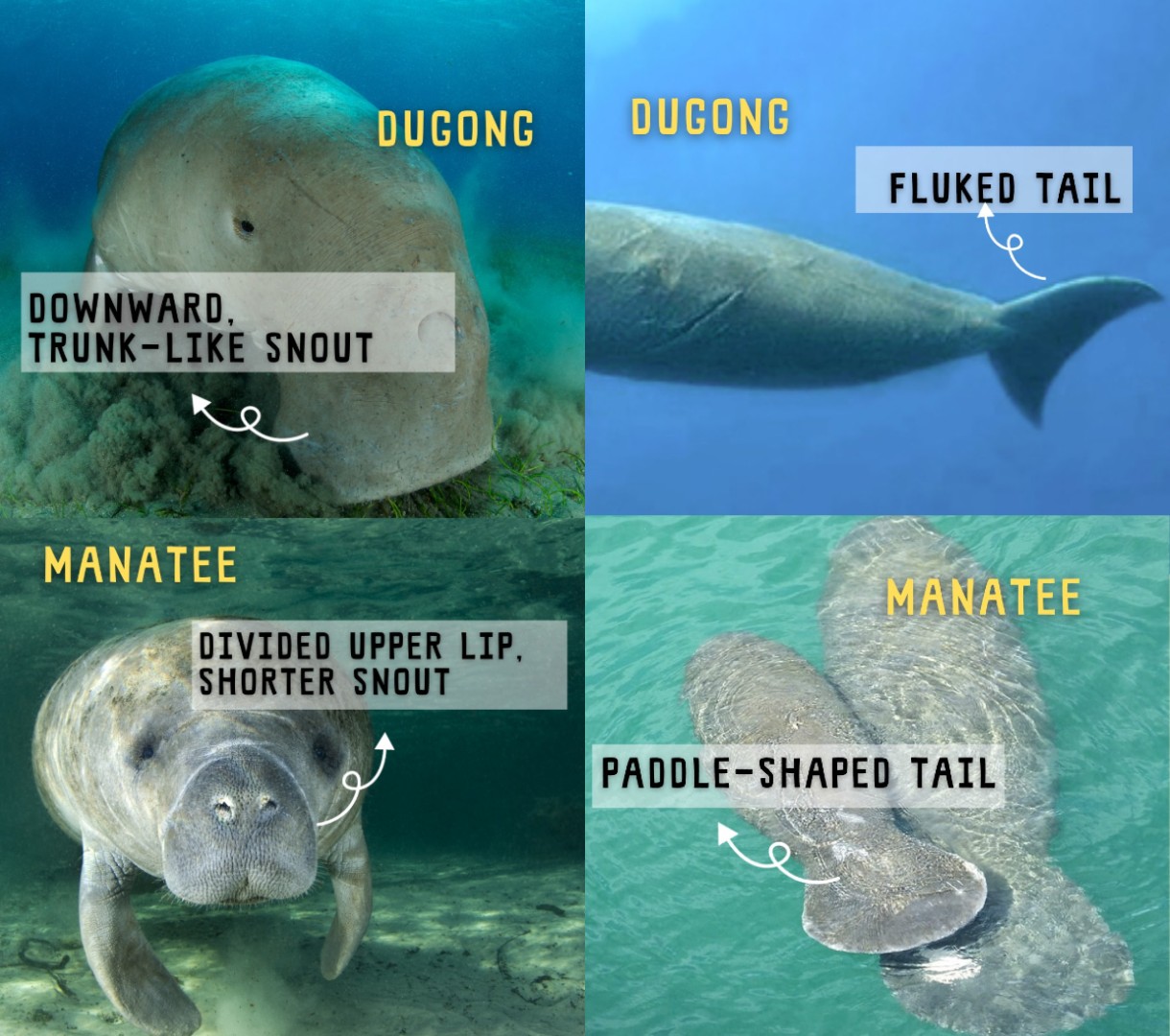
It is true, that manatees and dugongs look very similar, still, there are a few notable differences when it comes to their physical attributes. Two of the biggest are the structures of their tails and snouts.
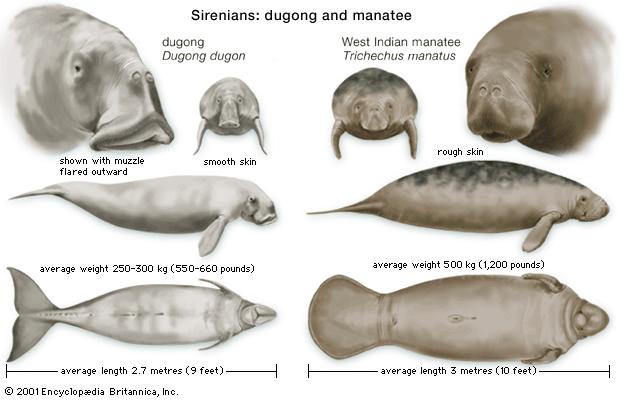
In peninsular Malaysia, dugongs are largely found in the southern state of Johor, mainly around Sibu and the Tinggi Islands and their adjacent waters. They are also found in Sabah, where they have been recorded around Mantanani, Bangi and Mengalum Islands, and in Sarawak in the waters of Brunei Bay, Lawas.
Hornbills vs Toucans

The magnificent, colorful beaks of toucans and hornbills might make you think they're related. Both bird types do keep their respective forest homes healthy and thriving. However, their anatomical structures differ.
Although some hornbills' beaks look like toucans', most hornbills have a distinctive beak feature called a casque. This is how you can tell them apart. That said, they both play the role of forest omnivore, feeding on fruits, insects and small creatures, including bird eggs, lizards and young mice.
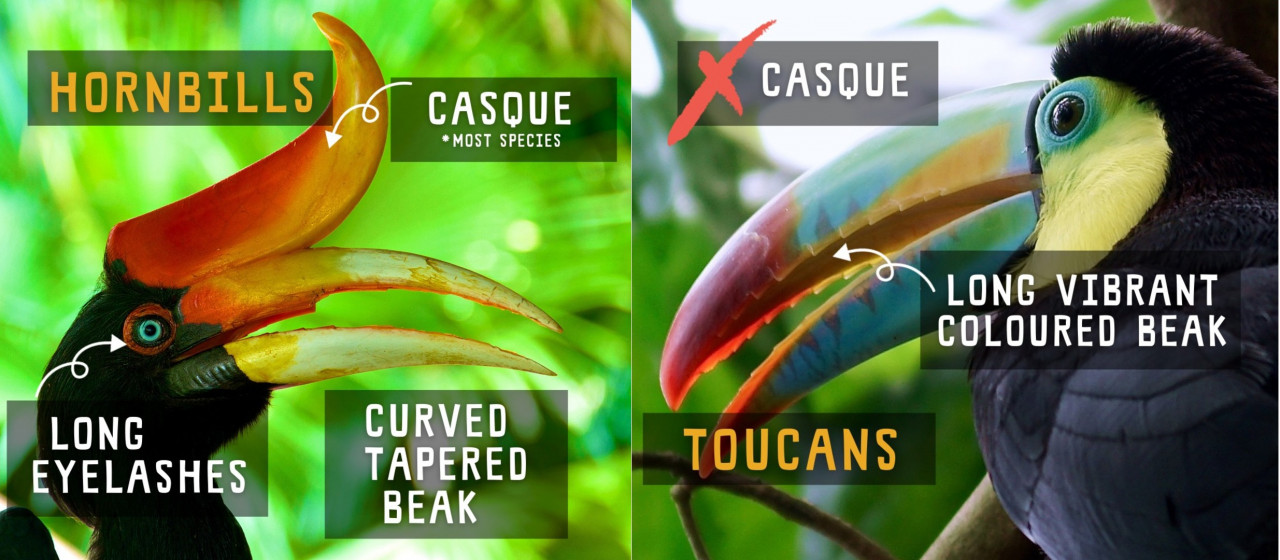
Their similar bills come in handy when foraging for food. Both groups of birds nest in cavities. These large bills also play a part in protecting eggs and nestlings from potential predators.
Sunbird vs Hummingbird
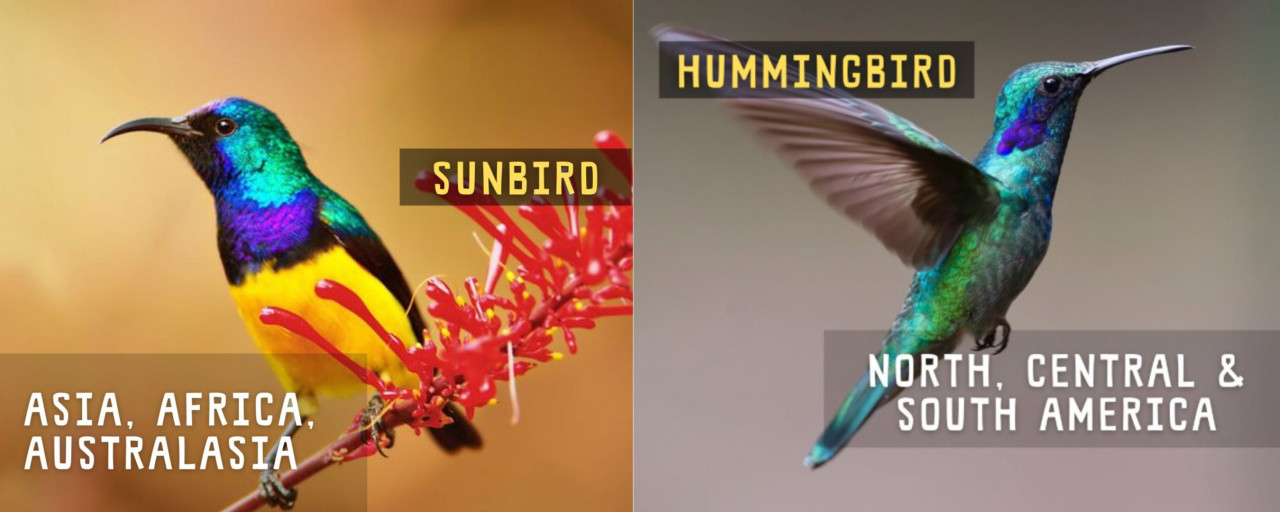
Delicate as they are, sunbirds are hyperactive creatures with a set of short wings that can perform fast and direct flight. Unlike hummingbirds that can move between hovering, gliding and flying in all directions, sunbirds can only hover briefly.
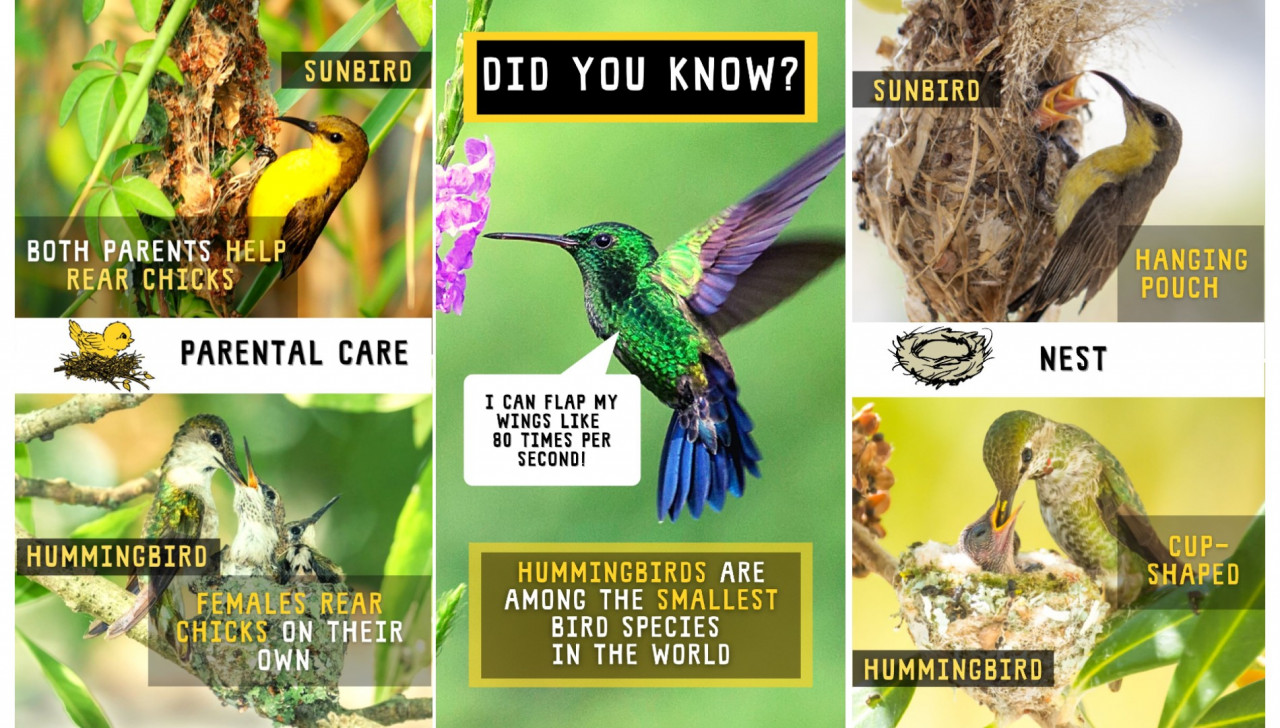
Sunbirds are songbirds, while hummingbirds are akin to swifts. Sunbirds and hummingbirds are ecological equivalents – unrelated but occupying similar niches in different ecosystems. Sunbirds are found in Africa and Asia, which includes Malaysia, while hummingbirds are restricted to the Americas.
Asian elephants vs Pygmy elephants

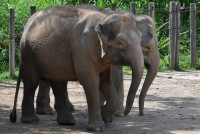
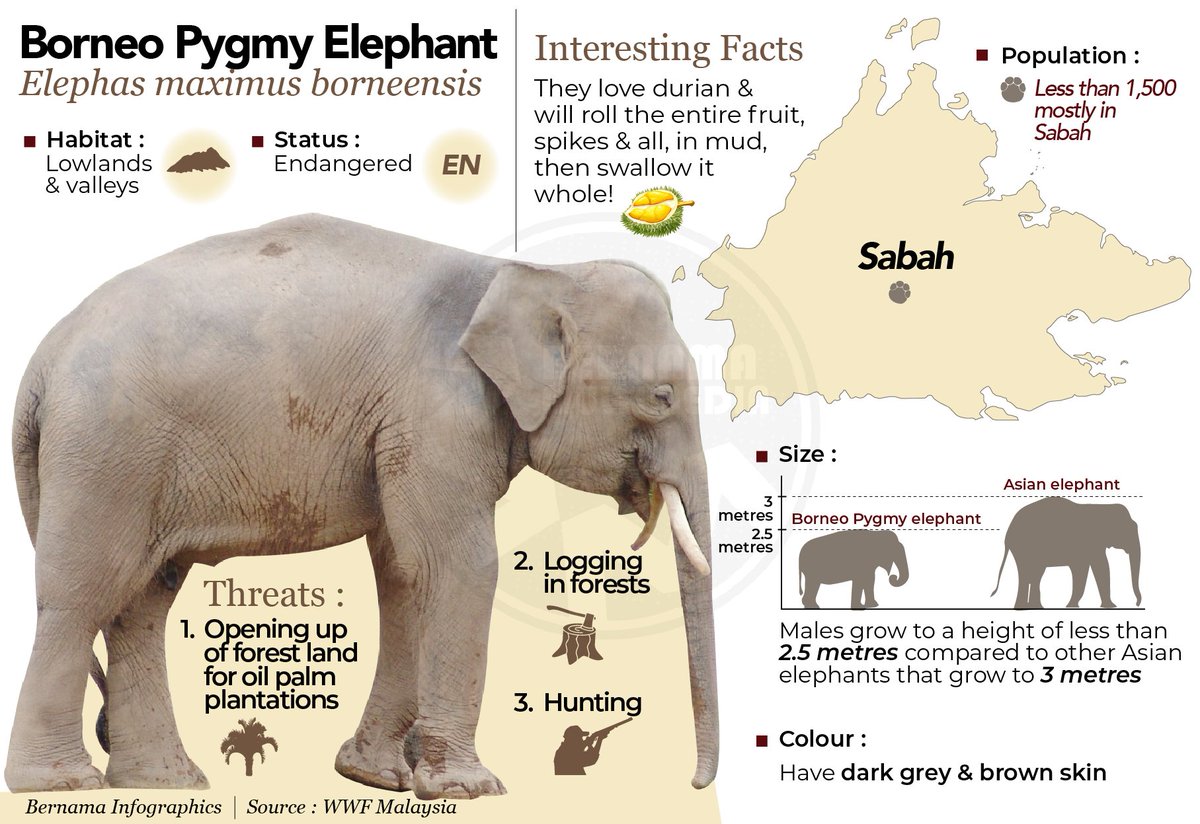
The Borneo Pygmy Elephant (known locally) had separated from their close relatives like the Asian elephants around 300,000 years ago, and in their evolutionary process, they became smaller and endured significant body changes. This discovery further underlines the importance of conserving the smallest elephants in the world.
Pygmy elephants are more rotund with a smaller, rounder face and oversized ears compared to the average size of Asian elephants. Pygmy elephants also have longer tails and straighter tusks than other Asian elephants.
Back when emperors, sultans and kings reigned, elephants were appropriate gifts from one ruler to another, or to a person of high status, and it was an ordinary thing to transport them by sea, especially in Asia.
This could explain how the elephants were separated from their mainland Asia counterparts, and then evolved into the Borneo pygmy elephant, a subspecies of the Asian Elephants. – The Vibes, March 3, 2021