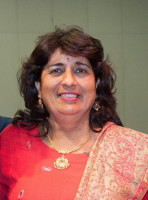
DR Vanitha Thangaratnam never expected that in her career as a doctor, she would make the life-changing decision of switching from a regular practising doctor to working in a hospice. It offers palliative or end-of-life care for patients and their families facing the problems associated with a life-threatening illness.
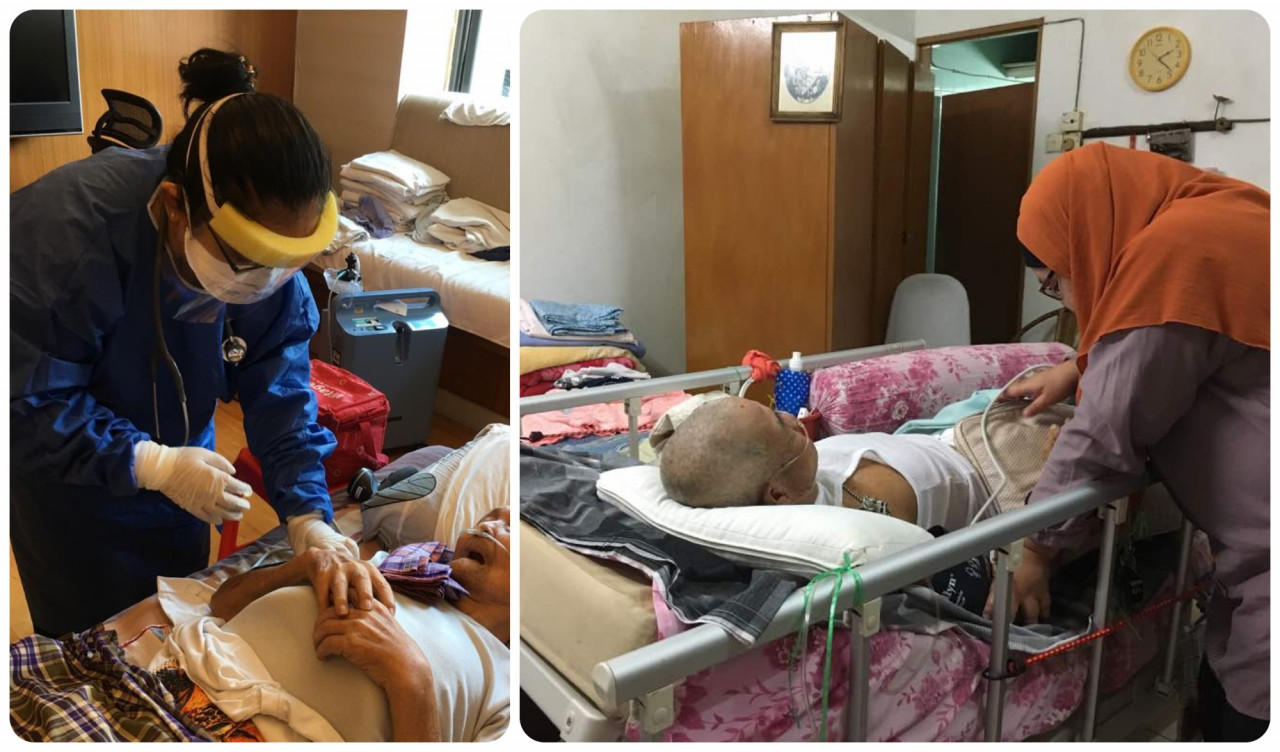
Hospice provides palliative care services mainly in a community setting.
“Working in a hospice was a whole new experience for me. As medical doctors, we were taught to cure and save lives….. to do whatever legally possible to help the patient get better. In a hospice, we practise pain and symptom management, not to prolong a patient's suffering, to add life to whatever days the patient has,” said Vanitha.
She has never regretted her decision and derives peace herself in helping terminally ill patients and their families come to terms with death.
Death is a word many do not want to hear or talk about until one day it hits you right in the face. This could be when you are facing it or a loved one is facing a terminal illness or sudden death due to a heart attack or stroke.
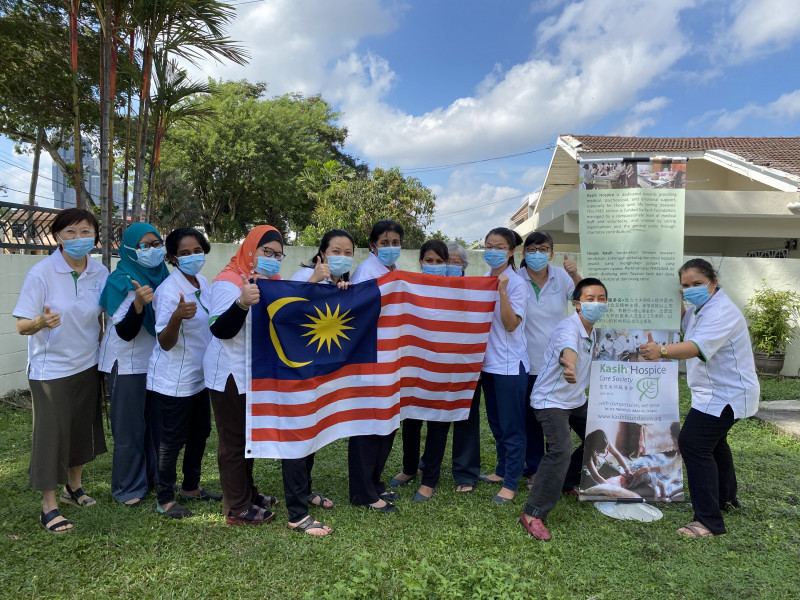
Kasih Hospice Foundation (KHF) established in 1997 is one of four registered hospices in the Klang Valley but other hospices are also available in other states like Johor, Malacca, Perak, Terengganu, Pahang, Kedah, Negeri Sembilan, Penang, Kelantan, Sabah and Sarawak. All the hospices run independently and offer their services free while carrying on fundraising activities.
So what is palliative or end-of-life care?
Palliative care as diagnosed by World Health Organisation (WHO) improves the quality of life of a patient and their families facing the problems associated with life-threatening illness, through the prevention and relief of suffering through early identification and impeccable assessment and treatment of pain and other problems, physical, psychosocial and spiritual.
According to Vanitha, she also practises the concept of Total Pain, a term coined by Dame Cicely Saunders, founder of the modern hospice, who felt that pain caused by physical, psychological and spiritual causes can contribute to the patient’s pain experience.
“I was fortunate enough to have a good mentor who guided me. She taught me that the quality of life of a patient is the most important next to pain and symptom control. She kept reminding me.
“Find out what is important to the patient, what would they want, their goals, expectations and how would they want things done for them. It is not what the healthcare professionals think that the patient needs or wants.”
"Many friends and relatives have asked me, 'Isn’t working in hospice sad and depressing?' My answer to them is, not at all. Through the journey with the patients and family members, I have learnt a lot from them that I would not have learned in medical school... The love, compassion, kindness, strength and courage the patient and family members have in the face of adversity.
.jpg)
"Family bonds have been mended, estranged family members come back, memories are built. But there has also been some amount of sadness especially when there is insufficient time to explore psychosocial issues, wishes of patients not achieved, the denial of family members,” shared Vanitha, who has spent time with many families.
“There have been ups and downs working in the hospice but the hardest part is the emotions. I try my best to keep my composure but some of it gets the better of me and all I want to do is break down and cry with them,” said Vanitha.
“I still remember when I cared for a nine-year-old who was diagnosed with brain cancer. During one of our visits, she had an uncontrollable headache and was in pain. We saw her hugging her father tightly and pleading to him, 'Dad, please help me'. The father was crying helplessly, and it broke my heart. It was a heart-wrenching sight.
"When I think back on patients who did not have enough money to buy medication or nutritional milk, patients who died alone with no caregiver, patients who have died in the prime of their lives, young innocent children who have passed on leaving their grief-stricken parents. I have learnt to appreciate life and see life differently. I have learnt to accept life as it is, forgive and build as many memories with family and friends. That is what life is all about in the end."
When it comes to the crunch one realises there is still a lack of awareness on palliative care among healthcare professionals and the community.
“Many may think that the healthcare professional or loved one is giving up on the patient. But that is wrong because the hospice allows the patient to have a quality of life with whatever time they have left and without prolonging their suffering unnecessarily,” said Vanitha, reiterating the value of a hospice. – The Vibes, June 28, 2021