
BACK pain during pregnancy is a common complaint, and this is no surprise as the women’s body changes to support the growth of the baby. There has been a plethora of research that suggests about 50 to 80% of expecting mothers suffer from lower back pain during pregnancy.
It is thus a matter of great necessity for women to prioritise their spinal health in every stage of their pregnancy journey.
The causes of back pain in pregnant women include weight gain, posture changes, hormone changes, and even stress. Women typically gain between 11-16 kg during pregnancy which puts additional pressure on the spine.
Pregnancy will also shift the centre of gravity for women as they gradually begin to adjust their posture and the way they move to support the growing belly.
Furthermore, women body produces a hormone called relaxin during pregnancy that allows ligaments in the pelvic area and the joints to become looser in preparation for the birth process.
This may cause the ligaments that support the spine to relax, leading to instability and pain. Emotional stress can also cause muscle tension in the back, which may be felt as back pain or back spasms.
However, it's never too late – or too early – for women to protect their bodies from the strain of lower back pain during pregnancy.
Preparing your body in pre-pregnancy
Women can prevent or ease back pain even before they get pregnant by strengthening their body – especially legs, abdominal core, and back – through moderate exercise. When considering pregnancy, women must have pre-conception care.
This includes consultation with the doctor to form a plan and discuss different exercise techniques to prepare the body for carrying the pregnancy weight.
Certain exercises such as walking or riding a stationary bike for 20-30 minutes a day builds leg strength. As do simple exercises that strengthen abdominal muscles to support the belly as well as to protect the back when the pregnancy eventually progresses.
Starting strong will help the body maintain enough core strength to keep its alignment and balance as the belly begins to grow and pull the lower back forward.
Managing back pain during pregnancy
Once a woman is pregnant, the back pain risk really starts. It tends to arise between the fifth and seventh months of pregnancy, though it can begin much earlier. Often, the onset of pain occurs around the 18th week and reaches peak intensity between the 24th and 36th week of pregnancy.
During this phase, pregnant women must adopt and practise healthy habits to keep the body as open and supported as possible.
To prevent or alleviate back pain during pregnancy, women should monitor their weight gain, eat healthy diets, and work with their obstetrician-gynaecologists (OB) and care team to remain within the advised weight for a healthy pregnancy.
Maintaining an ergonomically supported posture while sitting or standing throughout the day will also help to take a considerable amount of stress and strain off the lower back. While a side-sleeping posture with the use of appropriate supportive pillows between the knees, under the abdomen or behind the back is also recommended during pregnancy.
Additionally, avoid high heels and flip flops. Purchase new footwear if shoe size changes during pregnancy. Try low-heeled shoes with arch support to help the back maintain its healthy and natural curvature.
Exercise is also an important preventative measure for back pain but limit straining and high impact activities. Walking, swimming and yoga are great ways to build strength in the pelvis, hip, and lower back during pregnancy though it’s always good to first talk to your doctor about how to safely exercise while pregnant.
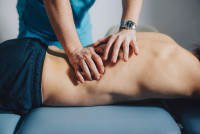
Last but not least, finding ways to manage stress throughout the pregnancy also has physical as well as emotional benefits. A prenatal massage, relaxing with a heating pad against the lower back, and getting plenty of rest are excellent ways to manage stress while helping the spine.
Most women consider back discomfort as an inevitable part of pregnancy and do not seek treatment from a health care professional – this couldn’t be more wrong. If you have severe back pain during pregnancy or back pain that lasts more than two weeks, please talk to your health care provider.
A doctor can accurately diagnose the underlying cause of the pain and formulate an appropriate treatment protocol and therapy to help you avoid or reduce the severity of lower back pain.
Post-pregnancy care
Persistent or newly developed pain in the lower back after pregnancy, also known as postpartum back pain, tends to go away six months after birth but may continue up to a decade.
The majority of women who experience postpartum back pain develop the symptoms due to pregnancy-related changes in the musculoskeletal system that persist after delivery.
The pain usually occurs while performing activities that involve body movements, such as walking, lifting, bending, or carrying the new baby. It may be relieved with rest, exercise, and home treatments. Below are some back pain prevention tips for new mums:
- Begin exercising as soon as you can after delivery to restore abdominal and back muscle tone. If possible, try to get back to your normal weight within six weeks after giving birth.
- Avoid twisting your body too much. Bring your baby close to your chest before lifting, do not stretch your arms out to pick him or her up. To pick a child up from the floor, bend at your knees (not at your waist), squat down, tighten your stomach muscles, and lift with your leg muscles.
- Avoid upper back pain from breastfeeding by bringing the baby closer to the breast rather than bending over to the baby. Use an upright chair rather than a soft couch for better support of the back.
New mums frequently put their comfort on the back burner, focusing most of their time, energy, and care on their newborn babies. Failure to adequately treat the symptoms may lead to chronic pain, affect daily functioning, and reduce the overall quality of life.
Women are encouraged to seek medical attention to relieve the symptoms and address the underlying problem. Having a pain-free back after labour and delivery will help new mothers care for their newborns more effectively and enjoy the early phases of motherhood.
If your back pain doesn’t subside, talk to your doctor about whether additional testing or treatment is an option for you. – The Vibes, November 10, 2021
Dr Lim Sze Wei is Consultant Orthopaedic, Spine and Trauma Surgeon, at ALTY Orthopaedic Hospital









.jpeg)





.jpeg)