SABAH and Sarawak – a part of Malaysia since 1963. Yet for some, it remains an insignificant history even today.
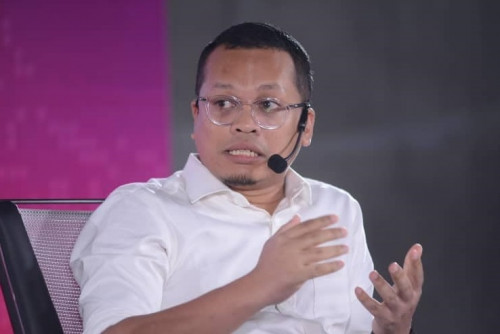
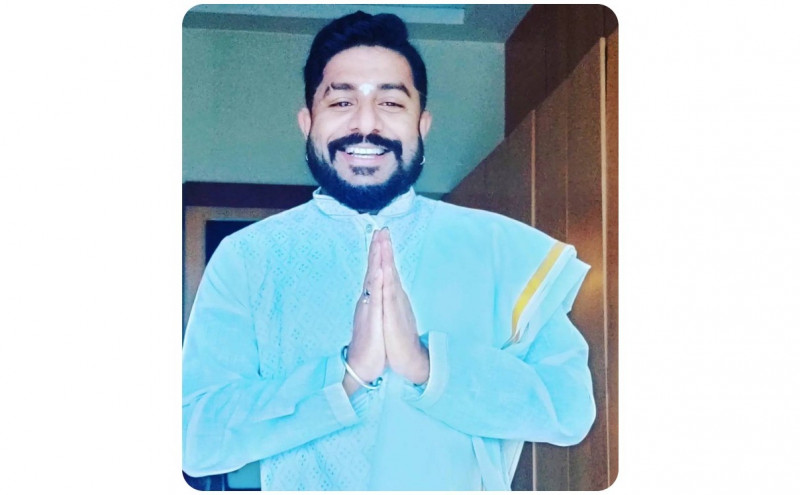
This was no omission for national activist Arun Dorasamy.
For Arun, deeming Malaysia Day as just another ‘off-day’ from work, it was not until 2019 when he had the opportunity to work with several NGOs in Sabah and Sarawak that his eyes opened to the true meaning of Malaysia’s extended family across the South China Sea.
“We are so ignorant of our history… the history we ‘think’ is always about Malaya(sia) and we forgot that Malaya(sia) is not a single entity.
“There are three pieces to it; Sabah, Sarawak, and Malaya(sia). They are not just our equal partners, but they are our family,” he said.
Arun further expresses that this ignorance has caused Malaysia to remain a dormant nation since Malaysians are not eager to learn about each other’s culture in detail.
“For me, what Malaysia signifies: it is a baby that was born some years ago, but we were never given the chance to grow because until now the youngsters no matter from Sabah, Sarawak, or here in Peninsular Malaysia, do not know each other,” he said.
Stereotyping, name-calling and bigotry by fellow Malaysians towards each other is still pervasive, according to Arun and must be stopped if Malaysians are serious about progressing as a nation.
“‘India Mabuk’ (drunkard Indian), ‘Cina Bukit Tipu’ (lying hillbilly Chinese) and ‘Melayu Malas’ (sluggish Malay) must stop at this time and age,” he urged.
The Vibes spoke to Arun Doraisamy on the progress of interracial understanding among the races in Part Five of a six-part series ‘Truly Malaysia?’ which runs every Saturday at The Vibes.
Language is the soul of the nation
Arun also pointed out that many Malaysians have yet to take the initiative to strengthen and command Bahasa Malaysia – the national language, and instead fall back constantly on the use of terms from the English language.
“Kita ini, sikit-sikit ambil istilah dari Bahasa Inggeris. Tidak pernah kita hendak tengok dan cari ada ke tidak istilah itu dalam kita? (Here we are, borrowing terms from the English language. Why don’t we search for terms in our own national language?)
“What is the function of our national language? It is a platform to unite us all as one nation,” he professes, adding that Malaysians should go back to the basics and restore the status of the national language.
When asked what his projection was of Malaysians today towards each other’s racial differences, he admits there are still traits of insensitivity and the illiberal in them.
A classic example given by Arun was the short video by Muslim civil group Pertubuhan Ikram Malaysia (Ikram) entitled: 'Mak, Dah Siap!' (Mum, It's Done!) which was uploaded on August 22 in conjunction with the 2021 National Day Celebration.
“As much as I love ‘perpaduan’ (unity), in my opinion, the advertisement (short video) by Ikram that was pulled down was educational – it emphasised that ‘I am not born racist, but I was taught to be racist’.
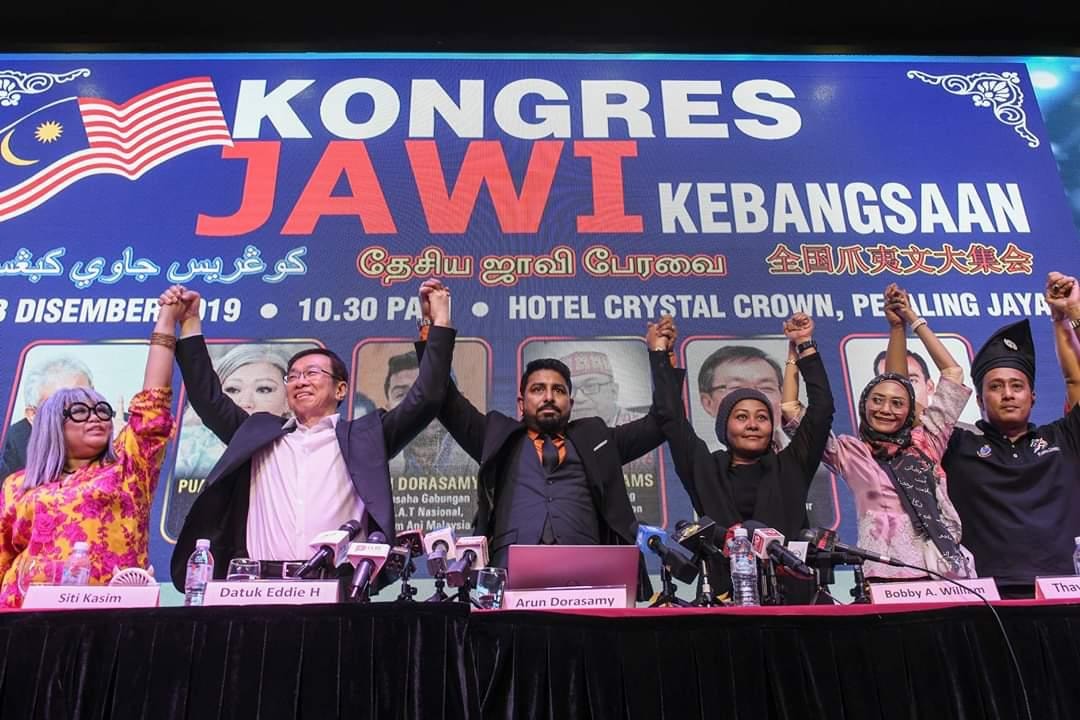
“You know, it affected me so much when they took it down,” he stated adding that Malaysians ought to get over the use of the pejorative ‘Keling’ in the video and focus on its real meaning.
In parting, Arun strongly agreed with the proverb famously used in Bahasa Malaysia;
“Tidak kisah lah hujan emas di negeri orang tetapi ia adalah lebih baik hujan batu di negara sendiri. (it does not matter, there may be golden rain in elsewhere, but being a part of the hailstorm at home is more meaningful).
“Dan hujan batunya, kita pakai helmet sahaja lah,” (and when there is a hailstorm, simple – just wear a helmet!), he said mischievously. – The Vibes, November 13, 2021
Read the previous part of this series here:
The ‘Truly Malaysia’ Series Pt 1: Syaq Koyok
The 'Truly Malaysia' Series Pt 2: Abang Buzze Azam
The 'Truly Malaysia' Series Pt 3: Christina Ningkang
The 'Truly Malaysia' Series Pt 4: Ronnie Klassen