
EFFICIENT community-led and community-based infrastructure in fighting the AIDS epidemic globally requires fast-track targets. This is to avert nearly 28 million new HIV infections and 21 million AIDS-related deaths by the end of the decade.
Last month, the Joint United Nations Programme on HIV/AIDS (UNAIDS) announced that those involved to end AIDS have five years to break it for good. Or risk the epidemic rebounding out of control. UNAIDS Fast-Track: ending the AIDS epidemic by 2030 report outlines the details.
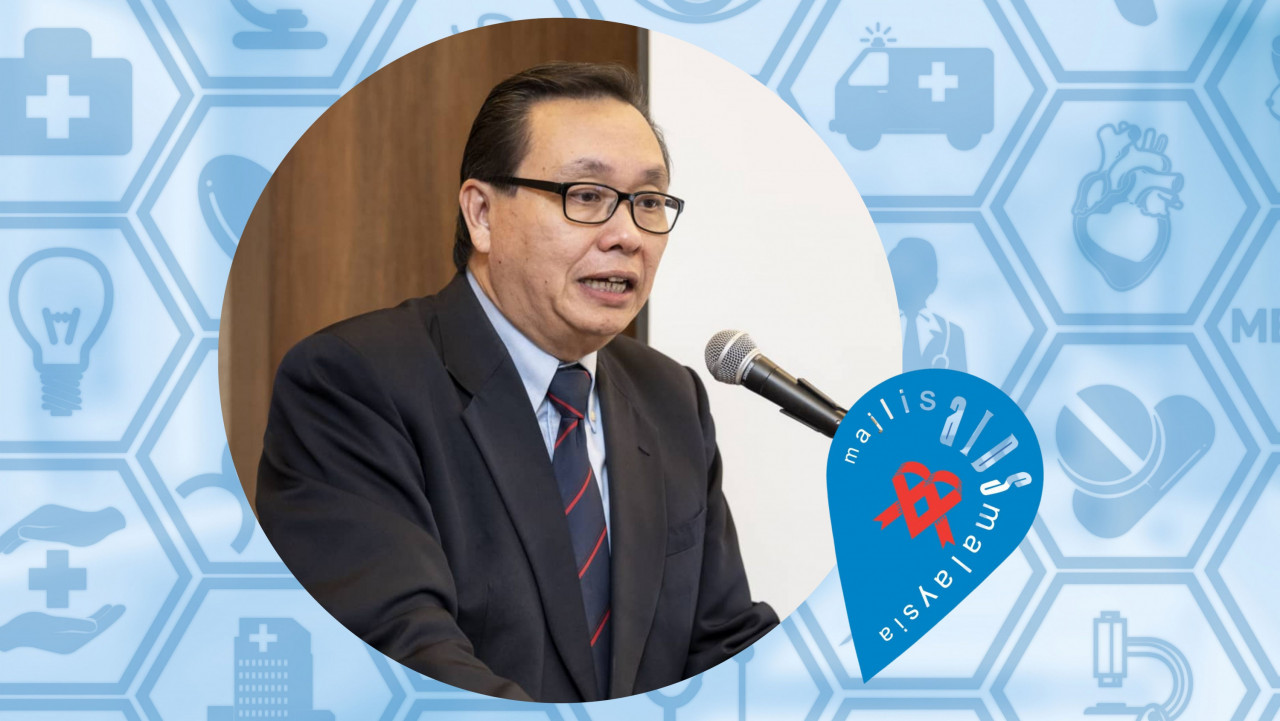
Looking at the trajectory on a more domestic level, we spoke with Malaysian AIDS Council (MAC) president Datuk Dr Christopher Lee to understand where the country stands in its awareness level and participation in the solutions.
Aids remains a global health threat
“Most Malaysians, based on the people that we work with (from surveys and polls that we have done to date), especially among the vulnerable groups, understand what HIV/AIDS is – the technical knowledge and how it is spread,” said Lee during a recent phone interview.
Noting that the negative sentiments towards HIV/AIDS as “very real”, the retired infectious disease physician said: “The public (in general) is still finding it difficult to sufficiently view the disease from a public health perspective instead of moralistic.”
“If we look at the theme this year, it is about inequality and this is not just in terms of the have(s) and have not(s) but also matters with regards to [social] discrimination. With AIDS, we are dealing with a certain key population that already has less access to suitable care and education.”
“Since the late 80s, we have been raising awareness on understanding the disease and its treatment (medication and care),” noted Lee.
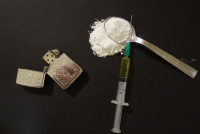
“To a certain degree, Malaysia has been successful with its harm reduction programmes which are still ongoing (ie, needle/syringe exchange and methadone replacement therapy), but the modus operandi has to change.
“The last eight to 10 years, our statistics have been stagnant with an average of 3,000 new cases reported yearly. But that does not mean we should not take the matter lightly,” he added.
“AIDS patients that we see coming in today mostly gained the infection through sexual (both hetero and homo) transmission activities. In Malaysia, the main contributor is via MSM – men who have sex with men.
Reducing the numbers
On whether eradicating AIDS by 2030 is a big feat, Lee said: “Absolutely. I mean the world itself has a bigger problem with the coronavirus looming over public health concerns globally”.
“But everyone is in a way looking at their health more intently now.
“Unfortunately for HIV/AIDS, until an effective vaccine is available, the fight to reduce the numbers completely is going to be difficult and not going to be easy,” shared the MAC president.
“Nevertheless, it’s important to set a target and it must be based on the realities on the ground.
“This 2030 target is potentially achievable and that is why it’s there, but many countries (including Malaysia) have a lot of work to do”.
“The sexual transmission aspect needs to be addressed seriously,” said Lee.
“If we want the 3,000-odd figure to go down we need to look at it strategically. And that is by continuing to meet risk groups as far as sex is concerned.”
He noted that conducting an outreach (regardless of whether it is for MSM, sex workers or trans groups) is significantly important, “rather than stigmatising the matter”.
“We do not want to push those potentially at risk or are already fighting the infection further underground."
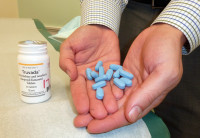
According to Lee, MAC has been actively working in furnishing engagements for the Pre-Exposure Prophylaxis, aka PrEP programme, as one of the ways that cover the above mentioned.
“PrEP is an HIV treatment/medication that is taken before the disease is contracted if a certain individual is regularly exposed to the activities that put him/her at risk.
“Taking one pill a day makes the statistics drop very significantly. And this has been practised in many developed countries and is known to be effective. MAC’s goal is for the programme to be scaled up for it to be more accessible to all,” added the doctor.
Currently, the drug is available for discordant HIV married couples (for free) where a negative partner can take the drug. It is also made available in certain private clinics where cost is involved, which ranges from RM70 to just over RM100 (varying from clinic to clinic) a month.
“However, the affordability aspect still segregates the risk groups potentially affected by the disease.
“So, we are also trying to get the government to be more active in looking at PrEP on all levels affecting communities with regular risk exposure and address HIV exhaustively,” added Lee.
Zero discrimination
Speaking not just on behalf of a healthcare professional, Lee highlighted that UNAIDS, MAC and all other agencies of concern look at addressing Aids and offering care as a matter of human right.
“When we look at what eloquent health care entails, it is meant as health for all,” said Lee.
“Therefore, issues related to HIV/AIDS matter and that means equal access to education, treatment, care/support. This is what MAC in particular has been working hard to do in Malaysia, and that is, in fact, the official policy in MoH and we support it fully.
“MoH is a very big place and many doctors, especially those looking at the communities that have to deal with HIV/AIDS have their hearts in the right place, but there will always be some who are on the fringes.
“Until we successfully look at HIV/AIDS fully from a public health aspect and act accordingly, we have to continue working on it to change mindsets.
*A special message from Malaysian AIDS Council president Datuk Dr Christopher Lee in conjunction with this year’s World AIDS Day.