
RADIO continues to be one of the most trusted and accessible mediums of up to date information in the world, and World Radio Day is celebrated every year on February 13th to recognise the importance of the medium and the role it plays in society. Hence, this year’s theme for World Radio Day is Radio and Trust.
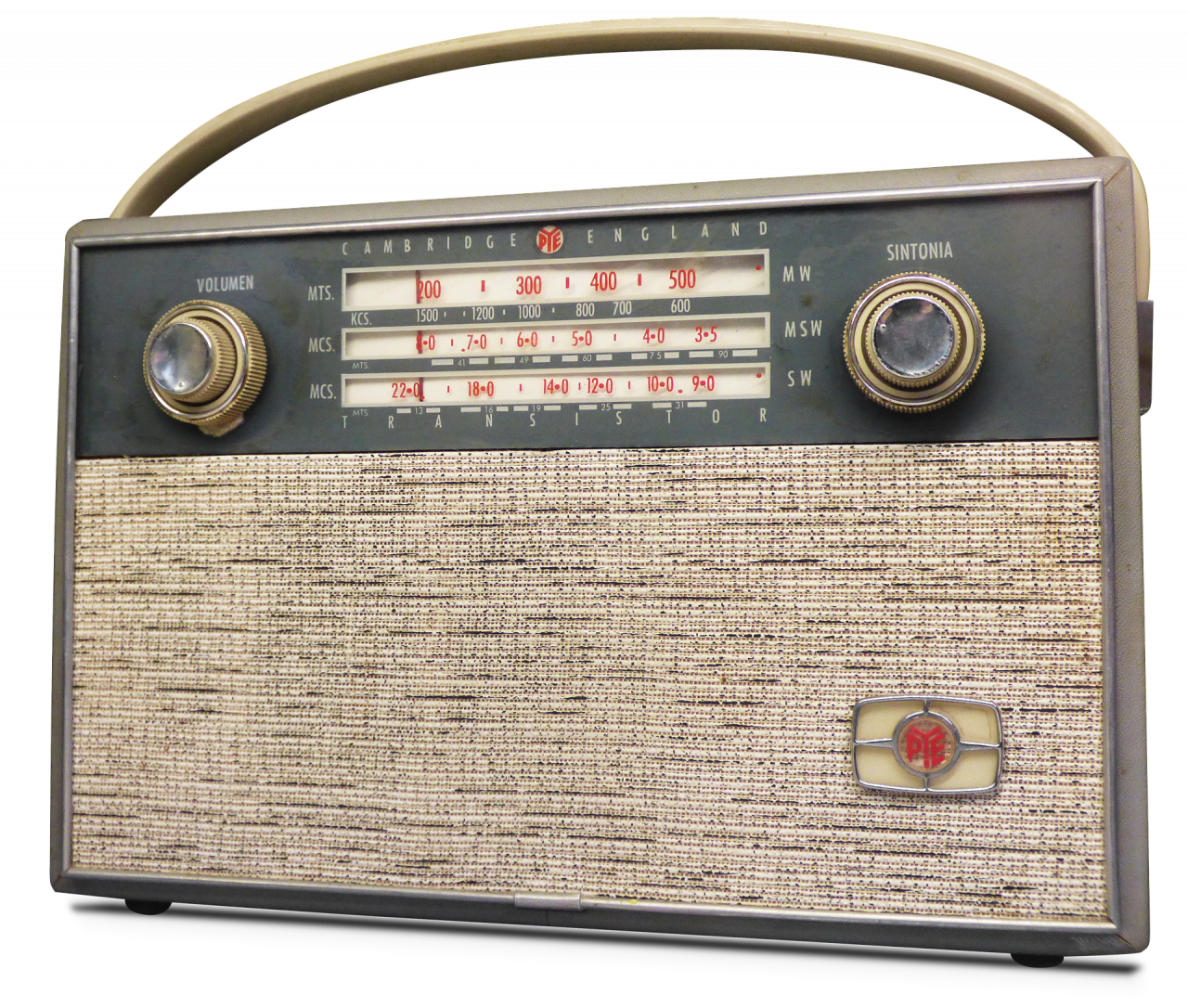
Where news and vital information is concerned, radio is immediate and reliable. Breaking news literally does interrupt regularly scheduled broadcasts when there is a national emergency. If cell towers collapse and we lose our signals, get your hands on an old fashioned transistor radio and you’ll be able to find out if your country is being invaded, if a landslide or flash flood is threatening your area, or if you’ll need to stock up on essential items (toilet paper) for an immediate pandemic lockdown.
Today, with the advances in technology, we consume information from various platforms and as we mature as a society, we understand that perhaps some platforms are more preferred than others. We have choices in how we consume news, traffic reports, latest Covid updates, trending social topics and entertainment. Some of these platforms may carry fake or unreliable news.
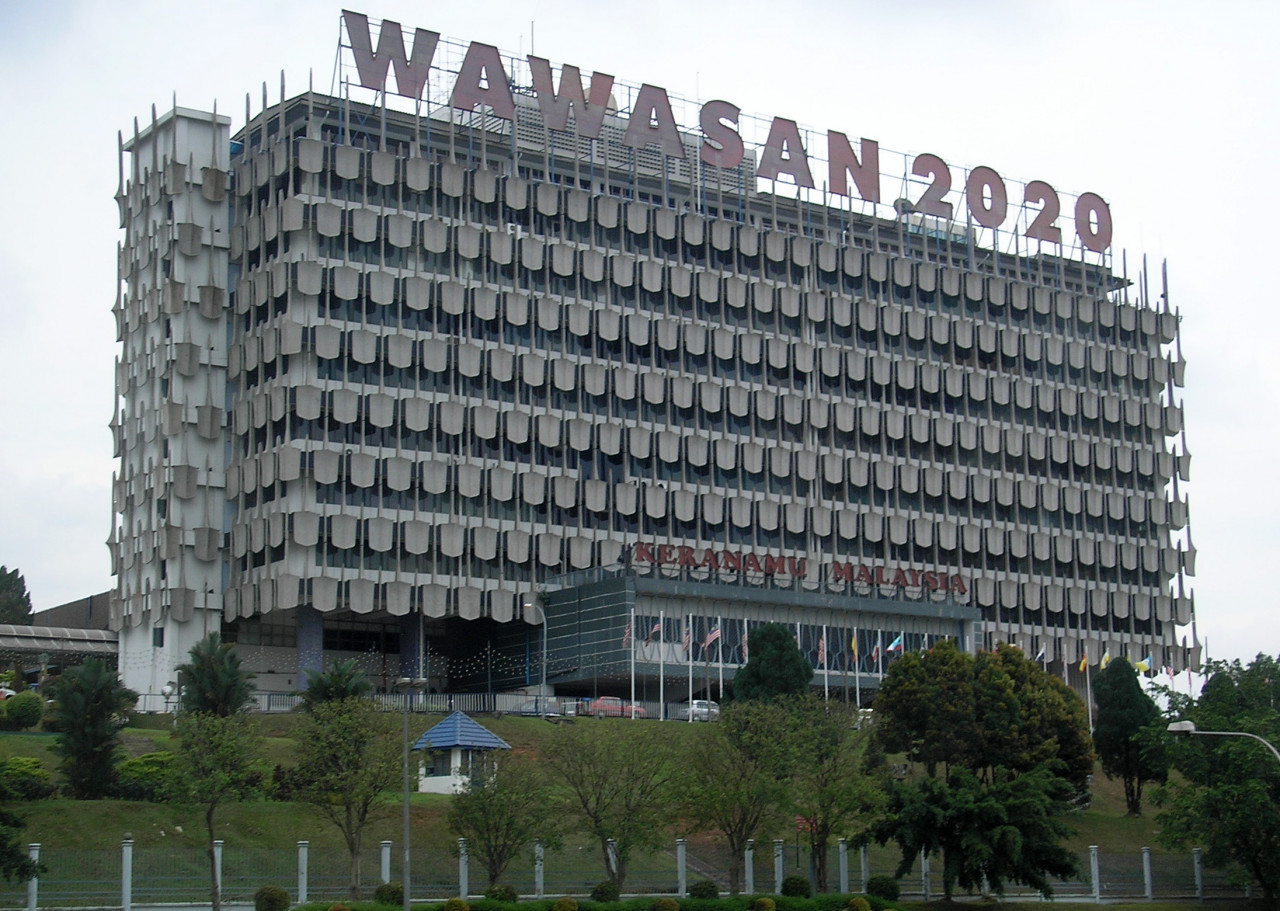
However, the news you hear on the radio at the top of the hour is generally trusted to be factual. Why? Because Radio Malaya (afterwards RTM) in 1946, got that ball rolling before most Malaysians even owned television sets – that was simply how we got our news. The trust we put in our public broadcasters has been established for decades.
An informal poll around The Vibes office, however, reveals that most Vibers are listening to podcasts and their own curated playlists on Spotify on their way to and from work. Audiobooks and TikTok Live are some other alternatives people are substituting radio for.
For the majority of people who continue to actively listen to the radio, the entertainment factor is the most significant draw. Commercial radio stations have for decades programmed their daily segments according to a set format to glean the most in listenership and ratings, because these numbers will determine the profitability of the station. Advertisers want in on the highest rated shows in the time belt (breakfast, evening drive) that ensures the most number of ears are actively or passively listening in.
So what goes into curating a highly rated show on a commercial station?
Music. Content. Presentation. Warmth, relatability, humour and intelligence. Banter. Chemistry – on-air and with listeners. Freebies. Contests. The feel good factor.
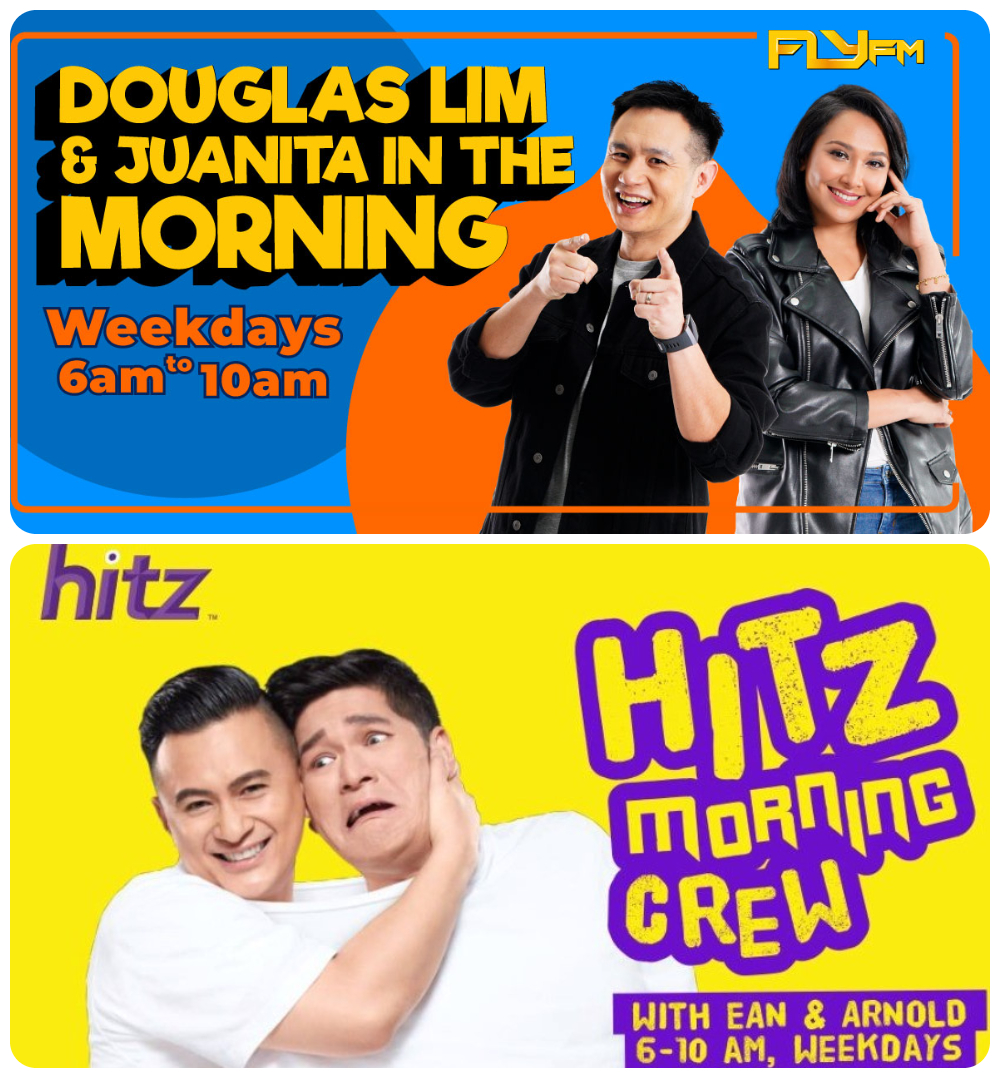
Everyone wants to feel uplifted, or at the very worst, grimly amused when they are stuck in traffic, which is ultimately where most active radio listening happens. This is why breakfast and drive-time slots often hire high profile presenters who are engaging and real. Listeners often become invested in the show hosts they follow, so keeping it real and relatable is crucial.
But sometimes, you still have to fake it.
Life is not (ahem) light and easy all of the time. It can be a real challenge to be upbeat for others when you’re undergoing personal strife, chronic health issues, and mental health challenges. When you’re not a good fit with your on-air co-host but have to somehow make it work. When you’re burned out from the odd and often long hours and haven’t had a creative break in months to rest and recharge.
Because as soon as that microphone goes on, you have to turn it on and be a perkier, 1000 kilowatt version of yourself.
Every talkset matters
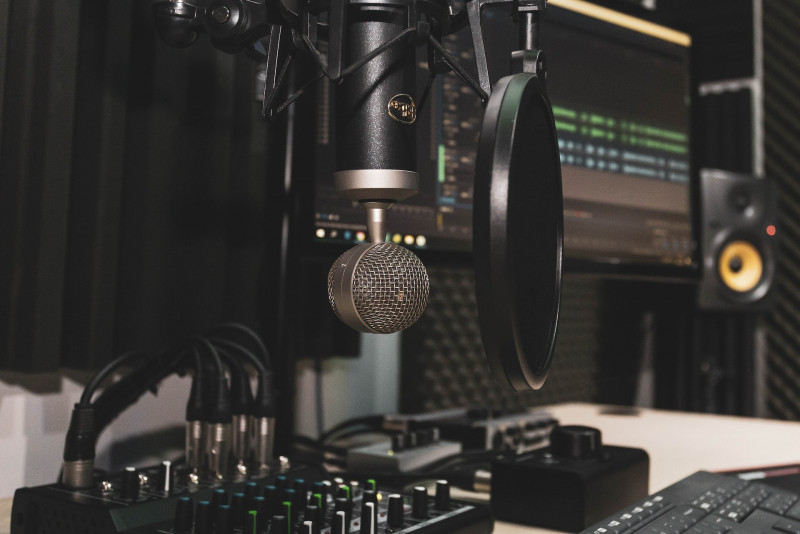
Prior to the late 1990s and the introduction of digital format radio on our airwaves, presenters went on-air live. When the song ends, you actually turned the microphone on and spoke. Some presenters had this infuriating habit of pulling the music fader up and down to speak over the last dredges of a song and over the musical intro of the next one (Radio Ibu Kota, anyone?). In those days, what came out of your mouth went into the listener’s ear in real time. Whilst pre-planning is always an essential practice, sometimes the most amazing bloopers would occur, or there would be dead-air, or worse – utterances not meant for public consumption.
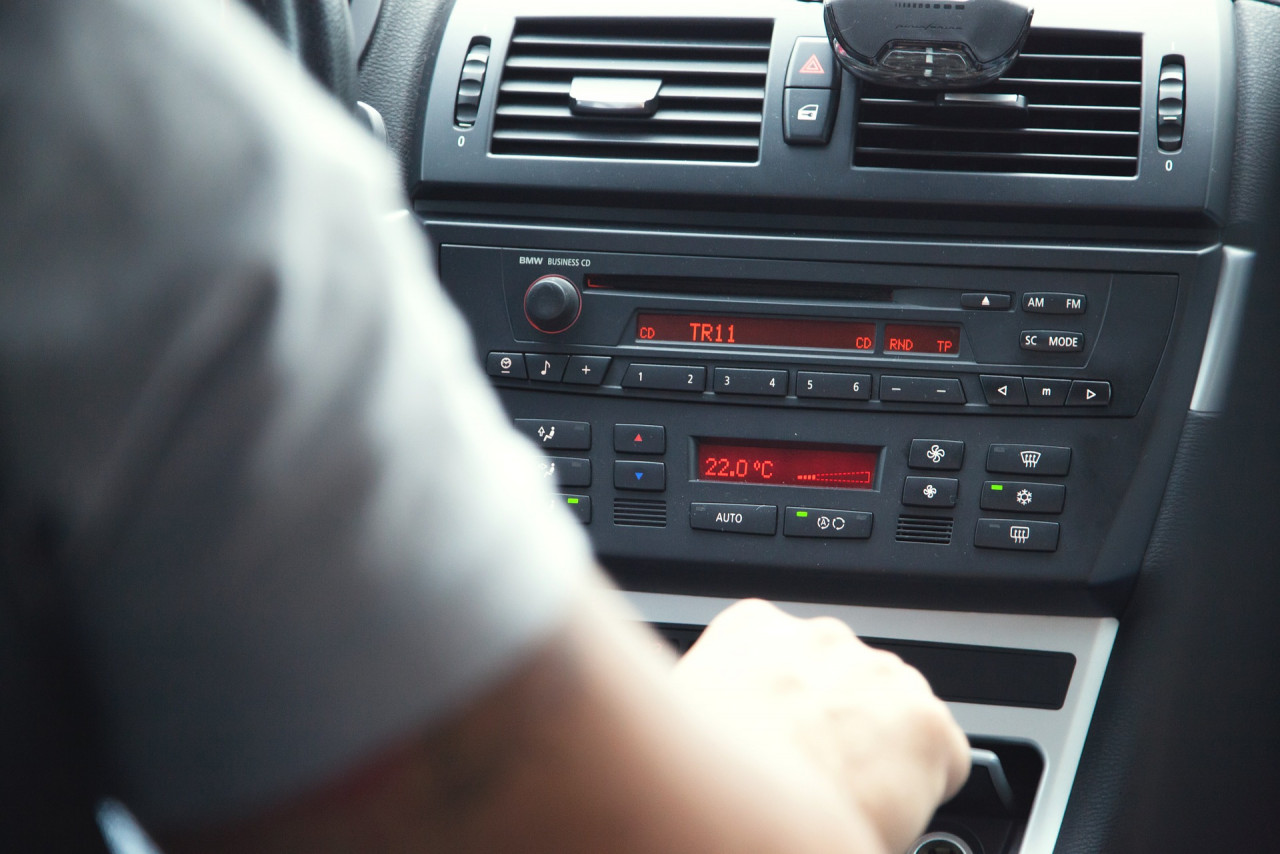
These were the days of listener call-ins that went a little like this:
“Hello, ABC FM! Who’s that on the line?”
“.....errr….hallo? Hallo??”
“Hey, you’re on air! Who am I speaking to?”
“Hello…? Can you hear me?”
[audio feedback from the caller having his radio on full blast, trying to listen to himself on the radio whilst speaking to the presenter]
“No, you have to turn down the volume on your radio.”
“Hallo? Hallooo? Can you hear me?!...”
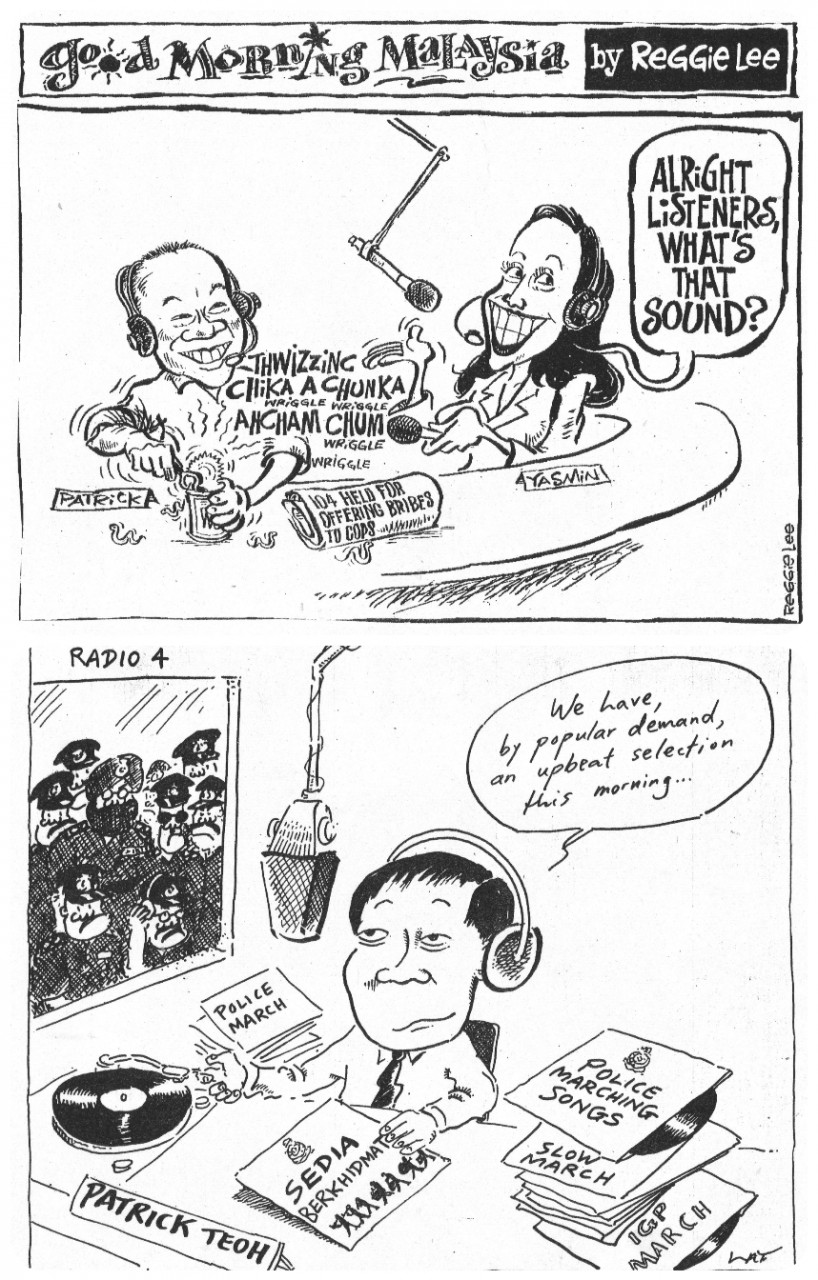
This would go on for a full minute or two (which seemed like absolute ages in radio minutes) before the caller finally understood that he needed to turn off his radio to be able to participate in the call in. It was infuriating not just for the on air presenter, but for all who were listening in. Former Radio 4 DJ Patrick Teoh was famous for his legendary scolding of gormless live callers!
When commercial radio stations adopted digital technology, programmes started sounding slicker, and the reason for this is that these calls were taken off-air whilst the music was playing, in between on-air talk sets. The calls are quickly edited and then digitally rearranged into the system, so what you hear as a listener is a seamless coming in off a song, straight into flawless conversation, with a minimum of ‘ummms’ and ‘uhhhs’.
Contest segments in the digital age are likewise recorded off-air. If you have ever participated in a ‘live’ radio contest, you would have discovered this already. As a caller, you probably wondered where whole chunks of your conversation disappeared to when you heard the aired segment.
A commercial format radio station follows exactly that – a format. How many songs are arranged in the hour, the kind of songs programmed to move that hour along, how many talksets are slotted in, the length of those talksets, where commercial segments are arranged, all down to the minute. Digitalisation helps keep everything on time, because those commercials and the news at the top of the hour have to be precisely ON TIME.
Conversation, connection and accountability in these woke times
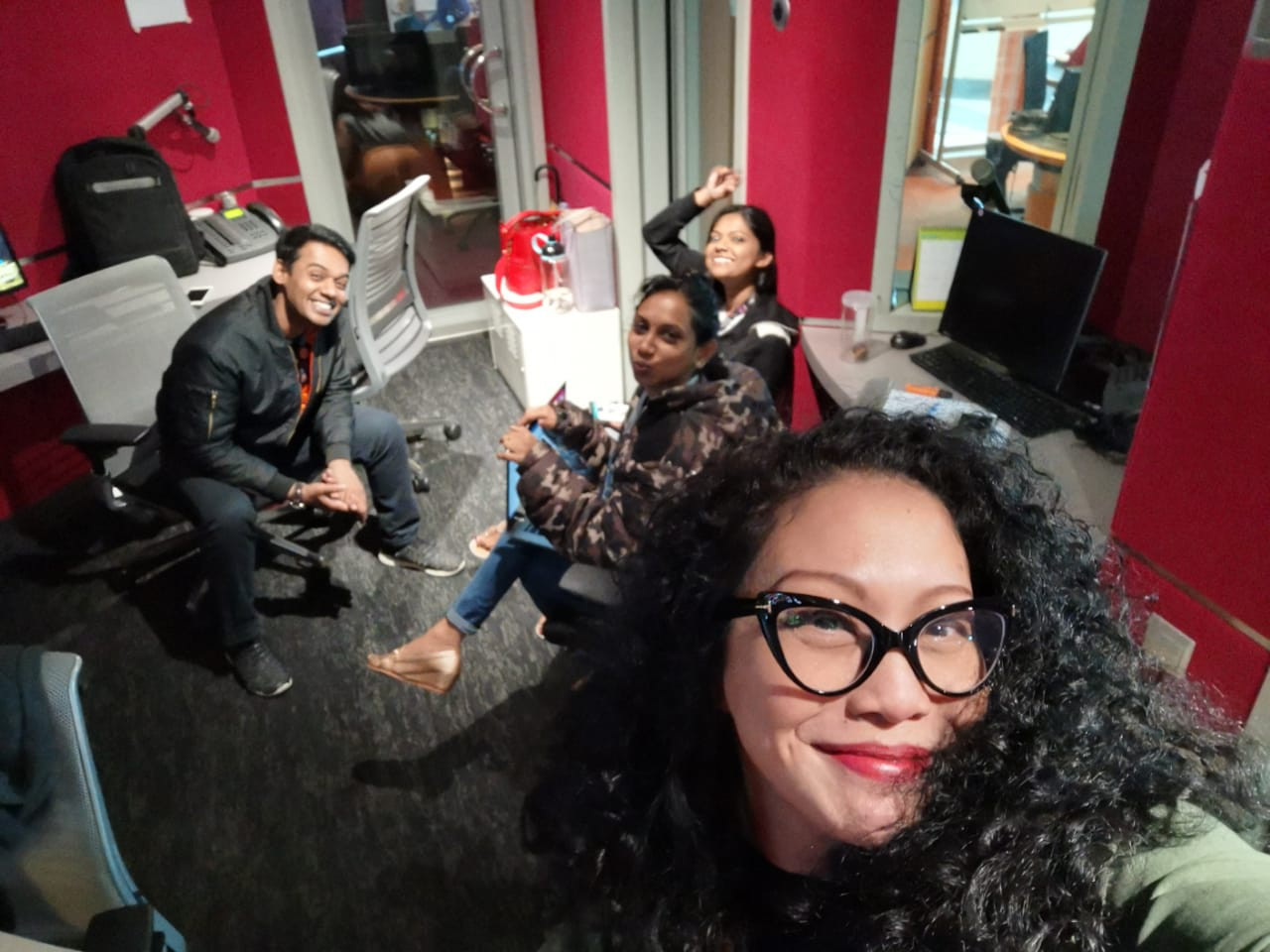
On-air conversation may appear to be random at times, and the secret to kicking off a topic of discussion lies in how the presenters flawlessly bring it in. You may not know it, but it isn't random. Nothing is random on the radio. These topics are brainstormed in a cramped back office days in advance.
‘Kick-off callers’ are lined up and prerecorded, so that their calls can literally kick off the conversation. Sometimes, there may be more than one kick-off caller, with differing opinions just to spice things up. Aaah. Radio drama. This gets the ball rolling on a slow day.
“Radio is the theatre of the mind; television is the theatre of the mindless” – Steve Allen
Today’s listeners are discerning, informed, sensitive and ‘woke’. A good command of the language and a radio friendly voice isn’t enough to convince listeners to stay with you. Presenters have to consider public sensitivities at all times and learn how to express thoughts and opinions in creative ways because listeners will hold you accountable for what you say. Thanks to social media, your fans will not let you get away with throwaway comments that they may find problematic.
As a listener, you may not have given the inner workings of your favourite radio show that much thought, but have a careful listen the next time you turn the radio on, and see if you can spot how smooth your favourite curated show sounds. – The Vibes, February 13, 2022

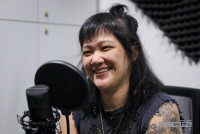
Shazmin Shamsuddin is the Culture & Lifestyle Editor for The Vibes, and a 25 year veteran in the radio industry