![[VIDEO] Ramadan reflections: a time for tolerance](https://media.thevibes.com/images/uploads/covers/2022/April_2022/_large/26032021_-_KUL_-_Interview_with_Datuk_Jahaberdeen_Mohamed_Yunoos_-_Azim_Rahman_3.jpg)

EVEN though ‘moral policing’ is not unique to Malaysia, in recent years, it has been in the limelight, particularly during Ramadan.
During this auspicious month, Muslims practice fasting from dawn to sunset. And between this interval, they must carry out good deeds.
Apart from performing religious practises such as charity and ‘sunnah' prayers, which is optional or supererogatory prayers, Muslims are expected to restrain themselves from being judgemental and detrimental towards each other.
Sadly today, many believe that Islam has become more conservative because of the mindset of uncompromising religious authorities.
Just weeks ago, it was widely reported that religious enforcements from the Melaka Islamic Religious Department (JAIM) had raided several locations for providing meals to the “Geng Plastik Hitam” who had "ponteng puasa" (skipping fasting) during Ramadan.
They had intended to serve notice to Muslims in the state if they are caught carrying cigarettes before 2pm.
Meanwhile, its chief minister, Datuk Seri Sulaiman Md Ali, called on the traders and business operators to be the eyes and ears of the authorities. He stated those who skip fasting will face possible punishment of ‘Dimandikan seperti jenazah’ – like bathing the dead.
For the record, bathing the dead is an essential ritual of the creed and part of the shariah laws.
.jpg)
Such enforcements had caused criticisms from certain sections of Malaysian society who are concerned about the violation of human rights and privacy of individuals – not to mention, blatant abuse of power.
Although there are about 19.5 million Muslim devotees – 61.3% of the population of Malaysia – what rights do authorities have to take such drastic measures when Islamic laws are silent on the issue.
Will such practices by the authorities honestly help shape the Muslim community into a better society? Will Islam grow in such a ‘draconian’ manner?
If not curtailed, will this stamp a ‘stone-aged' mindset perception towards Muslims and Islam?
It may be time for us to think rationally in correcting these issues realistically and prudently.
Furthermore, the holy month is a time when we should strive to correct ourselves and be tolerant and compassionate towards others.
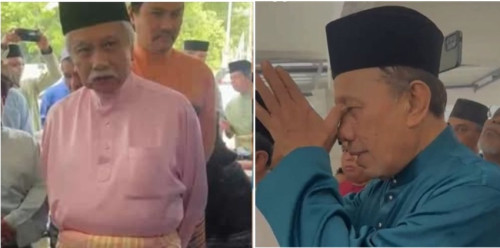
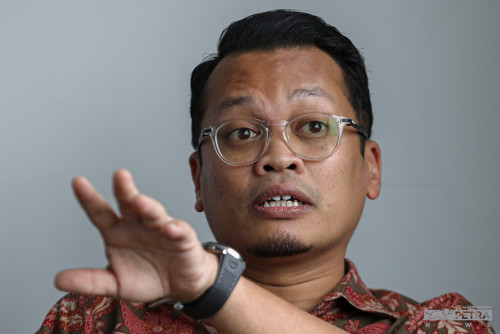
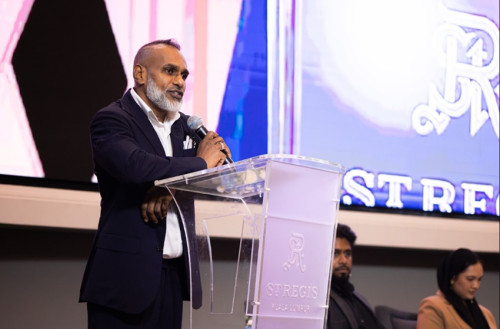
The Vibes speaks to senior lawyer Datuk Seri Jahaberdeen Mohamed Yunoos who is also the founder and chairman of Yayasan Rapera, an NGO that promotes community-based learning activities and compassionate thinking among Malaysians, on this issue. – The Vibes, April 30, 2022