
PARENTING in the internet era has always been a challenge, which has gotten even worse with the spread of social media apps – there’s seemingly a new trendy one every year.
Be it online predators, cyber-bullying, hackers attempting to steal data, a parent’s plate can be overflowing with concerns.
“Unsurprisingly, more than 70% of parents allowed increased screen time for kids during the pandemic with three in four children spending an average of one to six hours online per day,” said Nadia Khan, head of communications at Google Malaysia, during a discussion of a survey on how Malaysian parents manage their children’s use of technology.
“And they’re turning to technology for daily activities from remote learning, starting a book, and learning a new language.
“On top of that, children are also being exposed to screens at younger ages. A recent Kids & Families survey that we commissioned showed that kids as young as 10 years old in Malaysia are getting online.
“As a fellow parent, I know that this can feel daunting, but as they say, ‘it takes a village to raise a child’ – and that’s the same for a child’s online journey,” added Nadia.
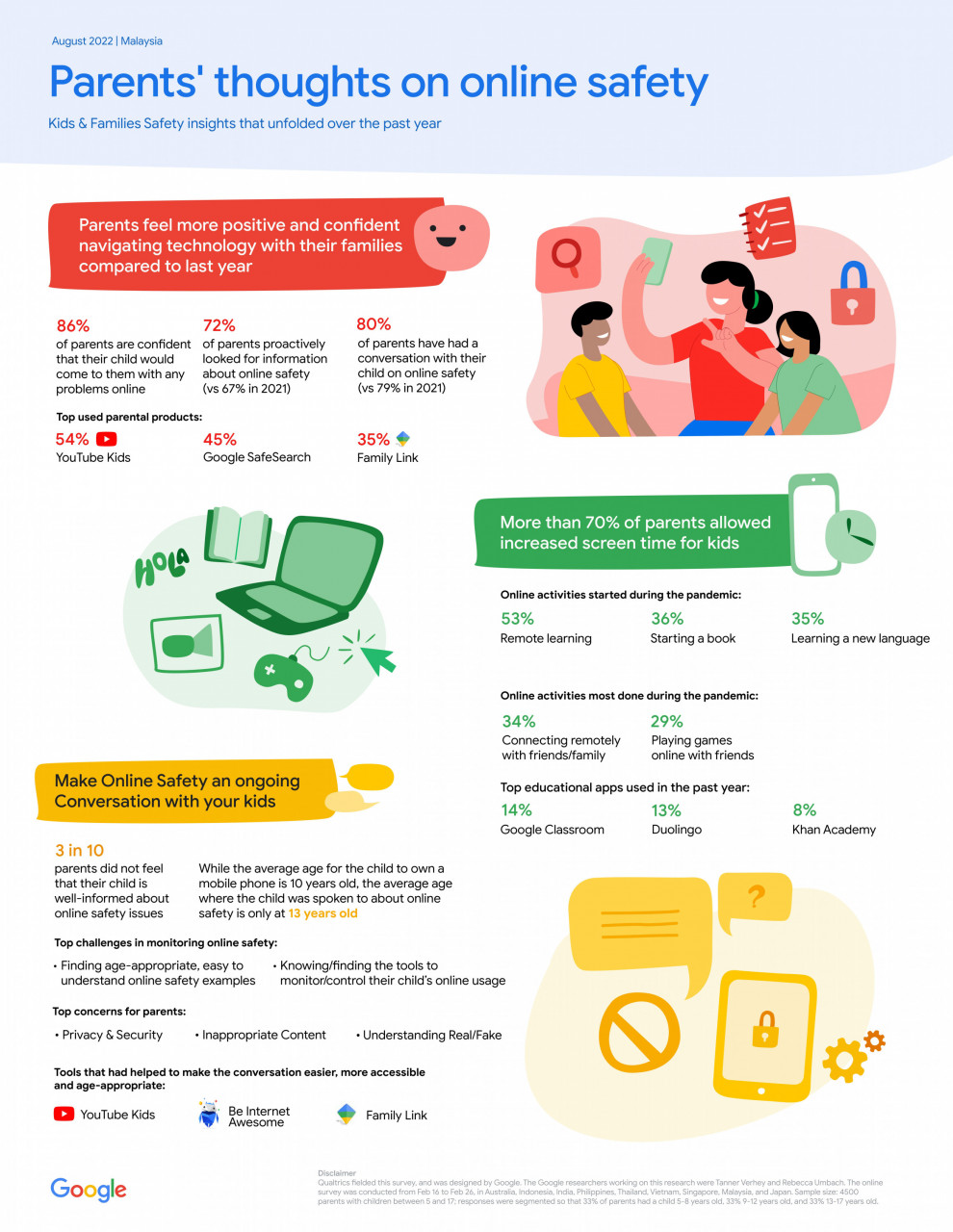
The online survey was conducted all over Asia-Pacific (Malaysia, Singapore, Indonesia, Australia, India, Philippines, Thailand, Vietnam, and Japan) from February 16 until February 26 last year with a sample size of 4,500 parents with children between five and 17 years old.
The survey found that Malaysian parents listed these issues as their top concerns: privacy and security; inappropriate content; and understanding real or fake.
A total of 72% of parents have proactively looked for information about online safety, an encouraging sign of the priority that parents are placing on online safety. However 30% of parents surveyed did not feel that their child is well informed about online safety issues.
To address these concerns, Google has a selection of apps and programmes aimed at children, including YouTube Kids, a version of their video streaming app that comes with a full suite of parental controls such as parent-approved content which allows parents to handpick and curate every video and channel available to their child.
There’s also a built-in timer to help limit screen time.
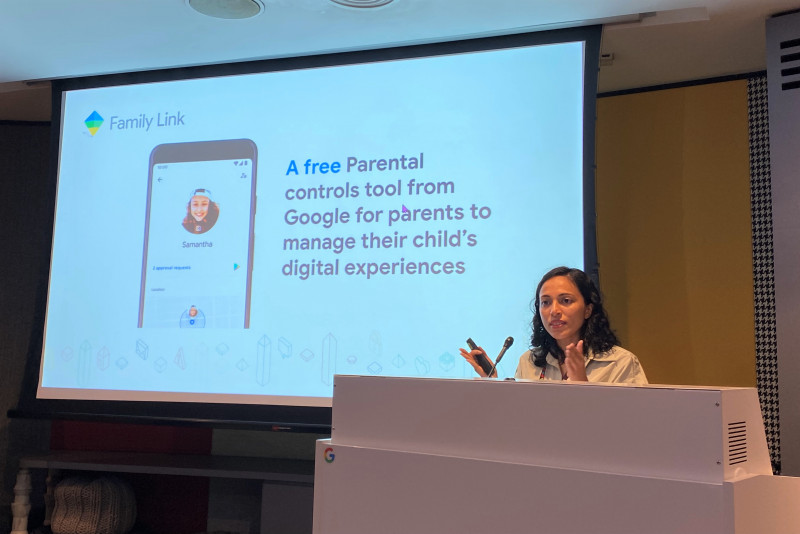
Family Link allows parents to set digital ground rules to guide their children as they learn, play, and explore online, and make the right screen time choices for them.
That being said, ultimately there has to be an ongoing conversation between the parents and the children about their online usage. A smart enough child or teenager can learn tricks to get around these apps, so a parent needs to be focused and attentive to what is going on.
“It’s critical that we have conversations about online safety and teach them digital literacy to help protect them against things such as cyberbullying and scams or hacks.
“To help with this, we have Be Internet Awesome, a programme to help teachers and parents teach their kids digital safety. It’s now available in more than 30 countries and in various languages including Bahasa Melayu,” said Nadia.
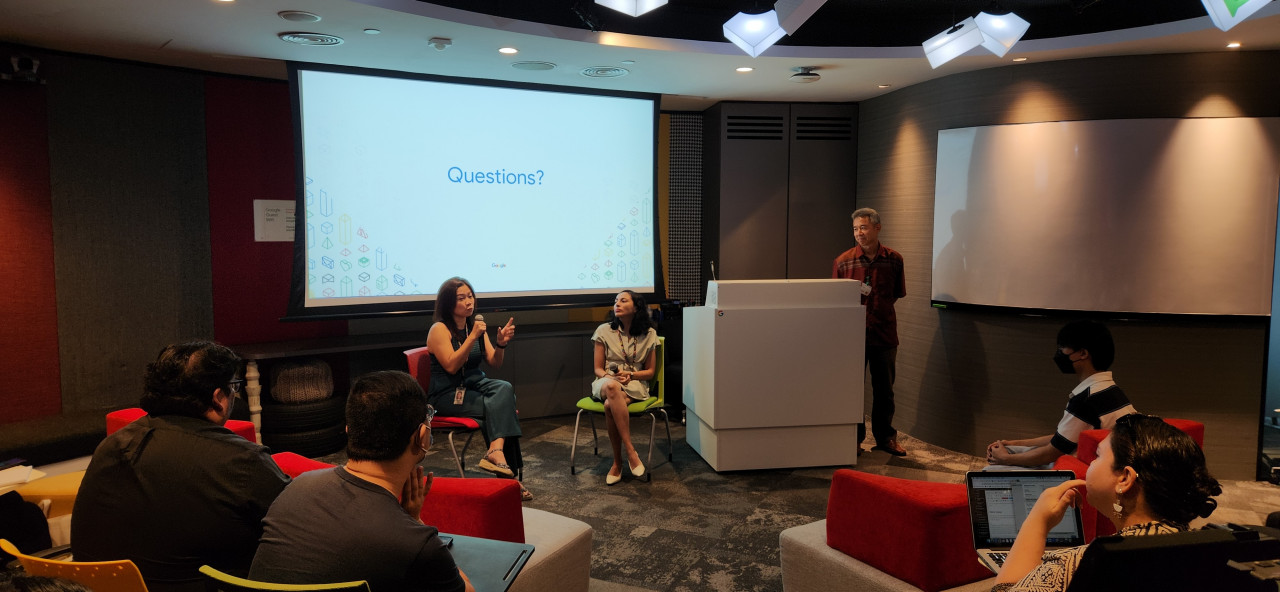
Jenny Lim, the SEA Performance Solutions lead at Google, then shared some of her experiences with raising two daughters – one, 11 years old and the other, seven years old.
As most of her children’s friends have phones and devices of their own, she felt it would be unfair to deprive them of this connection and so decided to give them their own devices when they turn 10.
However, these devices are meant for education, communication, and entertainment, with social media use being off in the distance. She doesn’t feel safe letting her daughter experience that world yet.
“If it was pre-pandemic, I wouldn’t be so receptive towards online learning or even handing the devices to my girls at a younger age, but the pandemic has changed that simply because they seem so natural in handling the devices.
“For example, Sophie, my older girl, hardly read any books, especially physical books. However, the moment I handed over my Kindle to her, she started to read from it, and somehow it helped to develop her reading habit.
“That kind of sparked the realisation that kids today are different and parents cannot expect their kids today to grow up like we did,” Jenny said.
Citing cyberbullying to be her biggest concern, Jenny shared that she would set a screen time limit for her daughters, especially on weekdays.
On checking their devices, she said she would usually let them know that she has access to the gadgets but would not check them.
“All kids are different. As parents, you should know their maturity level and there’s no right or wrong on when to give them a device. There might be some parents who are not internet savvy and just let their kids be exposed to technology.
“However, it’s important for them to be informed and one way to do so is for them to connect with other parents or find groups with similar interests to get different views.”
Jenny added that parents should always involve their children in the process, talk about what content interests them, and use it as an opportunity to have more quality time together.
Parents should also know that their children’s eyes are on them and that they need to examine their own consumption of digital content and device usage in order to be good role models. – The Vibes, April 6, 2023