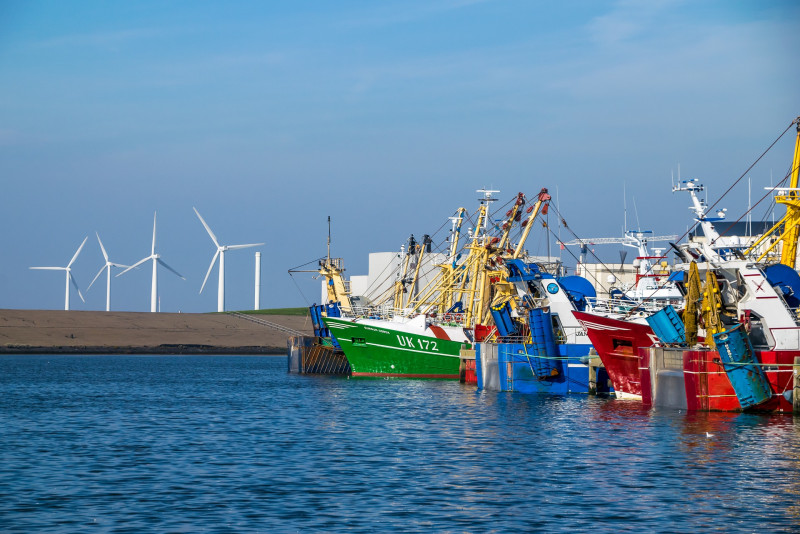
SABAH is positioning itself to harness its vast maritime resources as part of a strategy to drive sustainable economic growth through the blue economy.
The blue economy refers to the sustainable use of ocean resources for economic growth, improved livelihoods, and job creation while ensuring the health of ocean ecosystems is preserved.
Sabah Maju Jaya Secretariat Chief Coordinating Officer, Datuk Rosmadi Sulai, said the state is well-placed to tap into its blue economy potential, given its location, surrounded by three major bodies of water—the South China Sea, the Sulu Sea, and the Sulawesi Sea.
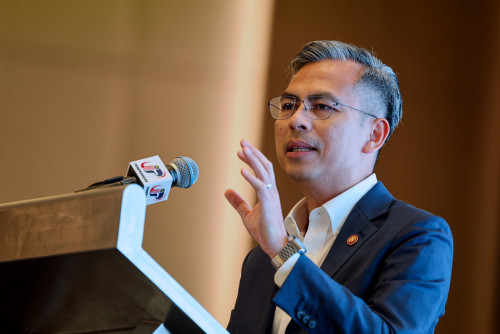
Speaking at the Sabah International Blue Economy Conference (SIBEC) in Kota Kinabalu today, Rosmadi noted that despite this advantage, the state's maritime resources remain largely unexplored.
“We are surrounded by three oceans, including the South China Sea, which provides us with immense opportunities,” he said. “But only 10% of our waters have been explored.”
Over a thousand delegates, including international experts like Blue Economy pioneer Professor Dr Gunter Pauli, attended the event.
Rosmadi pointed out that Sabah’s Exclusive Economic Zone (EEZ), which extends up to 370 kilometres offshore as permitted by international law under the United Nations Convention on the Law of the Sea (UNCLOS), covers 407 islands and is ripe for development in areas such as fisheries, tourism, and deep-sea mining.
He also stressed that Sabah’s legal framework, particularly the Sabah Biodiversity Enactment 2000, plays a key role in safeguarding the state's natural resources, with plans underway to strengthen this legislation.
“We are planning to upgrade the legislation to further protect our biodiversity as we advance our blue economy,” he said.
One of the most promising sectors is mariculture—a form of aquaculture focused on the cultivation of marine organisms such as fish, shellfish, and seaweed, he said.
He described mariculture as a “game changer” for Sabah's fishing industry.
“Mariculture will be carried out beyond 50 kilometres from the shore, while traditional fishing grounds will remain for the local community. This ensures that local communities continue to benefit from our marine resources,” he said.
Rosmadi also highlighted the pharmaceutical potential of Sabah’s oceans, citing marine organisms like sponges, corals, and algae, which produce bioactive compounds that are being explored for use in cancer treatments.
“We believe there is still much to discover with the technologies available today. Sabah’s oceans could yield breakthroughs in the pharmaceutical sector,” he said.
In renewable energy, Rosmadi said Sabah is leading the way, having recently passed legislation on ocean thermal energy conversion (OTEC), positioning the state at the forefront of this emerging industry.
“We’ve identified areas that could generate up to 20,000 megawatts of power. This puts Sabah in a strong position as a leader in renewable energy,” he added.
The relocation of Indonesia’s capital to Kalimantan is expected to further boost Sabah’s prospects, particularly by increasing shipping routes through the Lombok-Makassar Strait. Rosmadi said this could transform Sabah’s east coast into a hub for maritime trade and industry.
“With our strategic location along key shipping routes, we have the potential to become a major player in regional commerce and tourism,” he said.
However, Rosmadi acknowledged several challenges that need to be addressed to fully realise Sabah’s blue economy vision.
“First, we lack comprehensive data on our marine resources, which is critical for planning. Second, we need to catch up on technology, particularly in deep-sea exploration,” he said.
He also cited the need for significant investments in infrastructure and research as a major hurdle.
“Balancing economic growth with environmental conservation is another pressing concern,” he added.
“Sabah is home to 70% of Malaysia’s mangrove forests. We need to ensure that while we explore these opportunities, we protect our ecosystems.”
Despite these challenges, Rosmadi remains optimistic. “We have the resources and the legal frameworks. We are ready to push forward,” he said. - October 19, 2024
.jpeg)