THE Government is positioning itself to weather an increasingly uncertain global economic environment by setting an ambitious inflation target of between 1.5 and 2.5 per cent for 2026, as policymakers intensify efforts to cushion consumers and businesses from external shocks linked to geopolitical instability and energy supply disruptions.
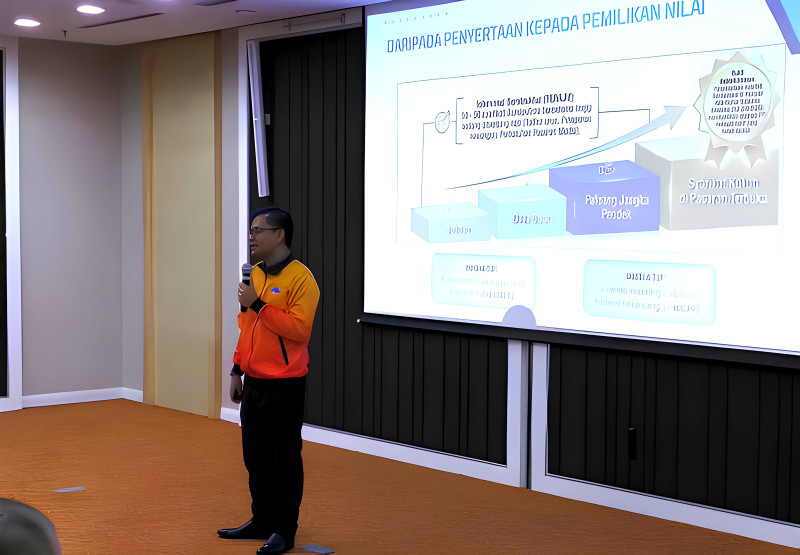
Economy Minister Akmal Nasrullah Mohd Nasir said the government remains determined to prevent inflationary pressures from undermining living standards, even as conflicts and supply chain disruptions continue to drive uncertainty across international markets.
The target comes as Malaysia maintains one of the region's lowest inflation rates, with consumer prices currently rising at around 1.9 per cent, significantly below the projected global inflation rate of 4.3 per cent.
“For 2026, our comfortable projection is for inflation to occur between 1.5 and 2.5 per cent. This is our target so that inflation movements remain within the scope that we can handle and do not have a significant impact on the people,” Akmal said after the ministry's monthly assembly in Putrajaya today.
The minister said the government's economic strategy is increasingly focused on insulating the domestic economy from external risks, particularly those arising from volatile oil markets and higher costs for imported goods and industrial inputs.
Rising global energy prices remain one of the biggest threats to inflation stability, given their direct impact on transportation costs, manufacturing expenses and food supply chains.
To counter these pressures, Putrajaya has expanded a series of targeted intervention measures aimed at preventing cost increases from cascading through the wider economy.
Among the key initiatives are fuel subsidy programmes and the Subsidised Diesel Control System, which are designed to keep logistics and transportation costs manageable while ensuring assistance reaches sectors most vulnerable to price increases.
The government has also mobilised RM5 billion through the Business Financing Guarantee Scheme and facilities provided by Bank Negara Malaysia to strengthen the resilience of small and medium-sized enterprises, which are widely regarded as the backbone of the national economy.
The financial support package is intended to help businesses absorb higher operating costs without passing excessive price increases on to consumers.
Despite the current stability, Akmal Nasrullah cautioned that prolonged geopolitical tensions and sustained disruptions in global energy markets could eventually exert greater pressure on domestic prices.
“So far, we have managed to maintain inflation at around 1.9 per cent, but the pressure will continue to have an impact. That is why we continue to look at official data and the actual situation at the industry level so that intervention measures can be taken earlier,” he said.
The remarks underscore growing concern among policymakers worldwide that energy-related inflation may remain a persistent challenge, even as many economies emerge from the sharp price surges experienced in recent years.
For Malaysia, maintaining inflation within its targeted range has become a central policy objective, not only to preserve purchasing power but also to sustain economic growth amid an increasingly volatile global landscape.
The government's strategy reflects a broader effort to balance fiscal support with price stability, ensuring that external shocks do not derail domestic economic momentum as the country heads into 2026. - June 15, 2026