KUALA LUMPUR – While Malaysia is on the path towards economic recovery, containing the Covid-19 pandemic and protecting the most vulnerable must remain the country’s top priorities in the near term.
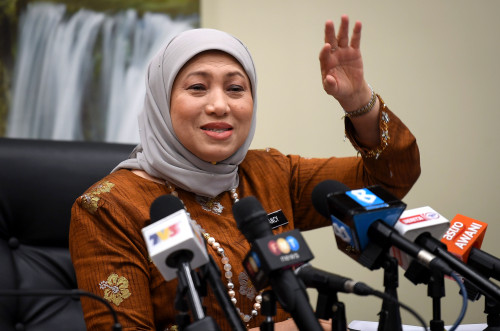
World Bank Group senior economist Shakira Teh Sharifuddin said Malaysia’s economy is projected to grow by 6.7% in 2021, which could be attributed to a rebound from a low base this year, continued improvements in exports, as well as a gradual build-up of momentum in private consumption and investment.
“However, what is most important is to contain the pandemic and protect vulnerable households in the short term, while in the long term, the fiscal policy should refocus on rebuilding buffers to counter future shocks and sustaining public financing,” she told Bernama TV’s Mid-day Update programme today.
She was commenting on the recently released World Bank Malaysia Economic Monitor: Sowing the Seeds report, which highlighted that containing the virus crisis is vital to ensure a safe resumption of economic activities and prevent a more protracted downturn.
According to the report, this includes targeted mobility restrictions in high-risk areas, and large-scale testing and contact tracing to limit the spread of the disease, on top of additional funding in the healthcare sector to meet the increased needs of domestic health and emergency services, and facilitate the timely and equitable distribution of Covid-19 vaccines when they become available.
The report is focused on the agriculture segment’s potential in lifting Malaysia’s economic status.
“Specifically, agro-food is a timely topic, given that in the beginning of the pandemic, when the movement control order was in place, there were a lot of concerns about food security.
“Secondly, the data shows that most of the B40 group are involved in the agriculture sector. Therefore, addressing challenges and improving this sector will have a positive spillover effect on Malaysia as a whole.” – Bernama, December 21, 2020





.jpeg)