THE Sabah state government has officially reinstated the Sabah Rice and Padi Board (LPBS) as part of a broad strategy to enhance food security, reduce reliance on imported rice, and raise the state’s rice self-sufficiency level to 30 percent by 2026 and 60 percent by 2030.
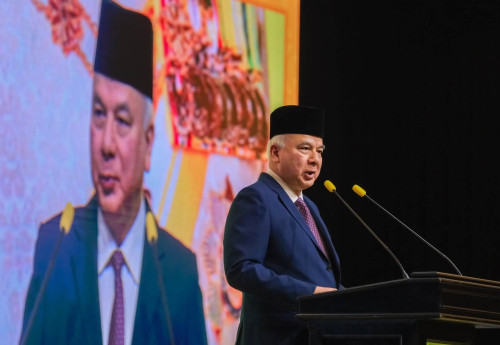
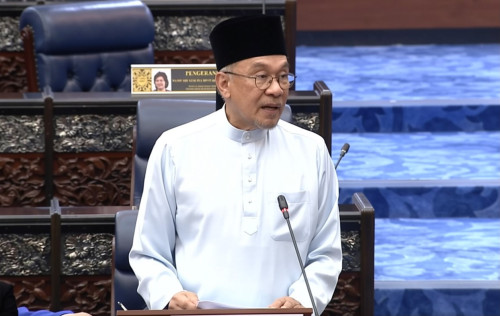
Chief Minister Datuk Seri Hajiji Noor said a series of initiatives would be rolled out through the board to ensure greater domestic rice production and a more resilient agricultural sector. His remarks were delivered by Deputy Chief Minister I and Minister of Agriculture, Fisheries and Food Industry, Datuk Seri Dr Jeffrey Kitingan, during the launch of LPBS and Agrobank’s Padi Planting Takaful Scheme.
"Currently, Sabah produces only about 22.8 percent of its rice needs, resulting in heavy reliance on imports," Bernama cited Hajiji saying.
He urged full cooperation from all relevant state agencies as LPBS assumes responsibility for the development and management of padi cultivation from the Department of Agriculture, becoming the sector’s primary regulatory body going forward.
Hajiji noted that efforts will be concentrated in key rice-growing districts—Kota Marudu, Tuaran, Tambunan, Keningau, Papar, and Kota Belud—which together span 22,218.35 hectares and involve over 16,000 farmers.
The Chief Minister also revealed plans to expand hill padi cultivation, calling on landowners in highland areas to utilise their terrain for high-quality rice production.
“It is estimated that 13,266 hectares, or 32,767 acres, of hill land are suitable for padi cultivation, involving 15,617 farmers,” he said. “If fully developed, these areas have the potential to yield up to 30,424 metric tonnes of hill padi annually.”
Drawing parallels to Sarawak’s premium Bario rice, Hajiji highlighted Sabah’s own indigenous varieties, such as Adan rice from Long Pasia, Sipitang, along with others from Ranau, Kudat, and Pitas, which are growing in market recognition.
“I assure you that the state government remains fully committed to revitalising idle padi fields and increasing local rice production,” he said, further encouraging government-linked companies to develop unused land for cultivation.
In addition, Hajiji promoted the uptake of Agrobank’s Padi Planting Takaful Scheme, an insurance initiative aimed at safeguarding farmers against losses caused by natural disasters, pests, and disease.
Under the scheme, Malaysian padi farmers aged 18 and above, who are cultivating in designated areas, registered under the Federal Government Fertiliser Scheme, and maintaining an Agrobank account, will be eligible for coverage. - May 10, 2025