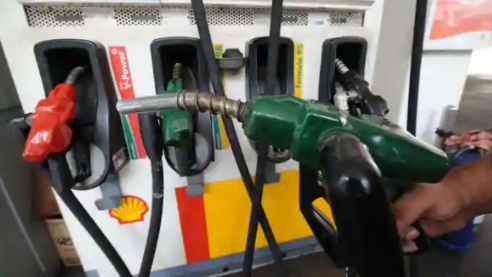
THE Government will prioritise the removal of subsidies on RON95 petrol ahead of introducing a carbon tax in 2026, Finance Minister II Datuk Seri Amir Hamzah Azizan has confirmed, underscoring the need to first eliminate systemic distortions before rolling out climate-related fiscal policies.
Speaking at a panel discussion titled ‘Delivering Malaysia’s Energy Transition’, Amir emphasised that it would be counterproductive to tax carbon emissions while continuing to subsidise fossil fuel consumption, particularly in the transport and energy sectors.
“One major issue is the existing distortions in the system, especially the subsidies provided to the energy sector,” he said. “It doesn’t make sense to impose taxes on one side while simultaneously providing subsidies for petrol, diesel, and other fuels.”
His comments suggest that rationalising fuel subsidies — a politically sensitive but fiscally critical move — will be the government’s immediate focus in 2025.
“We must ensure that no unintended consequences are embedded within our system,” Amir added.
“Malaysia has yet to implement a carbon tax as part of its policy framework. While it is scheduled for rollout by 2026, there are important precursor steps we must take.”
The decision aligns with plans outlined in Budget 2025, which proposes a carbon tax targeting sectors such as iron, steel, and energy. However, Amir warned that standalone policies would not suffice.
“If we want this transition to be sustainable and impactful, the entire system must respond,” he said. “It cannot be driven by isolated announcements or standalone policies. The challenge for the government is to tie everything together coherently and effectively.”
Prime Minister Datuk Seri Anwar Ibrahim has also sought to allay public concerns, stating that fuel price adjustments would not affect “85 to 90 per cent of the population”, implying a more targeted approach to subsidy rationalisation.
Nonetheless, analysts and citizens alike remain cautious, pointing to the need for credible implementation and communication to avoid public backlash.
Fuel subsidies have long been criticised for disproportionately benefitting wealthier households and distorting Malaysia’s broader climate and energy transition goals. Removing these subsidies, proponents argue, would not only improve fiscal discipline but also create the conditions for effective carbon pricing.
Amir said the eventual implementation of a carbon tax would require robust supporting structures. “Structured measures, including climate action frameworks \[and] robust measurement tools,” are essential, he said, to ensure transparency and avoid a tokenistic approach to emissions pricing.
Malaysia’s climate ambitions now hinge on whether the government can execute this phased transition with clarity and cohesion — and whether public confidence in the reforms can be maintained. - June 17, 2025