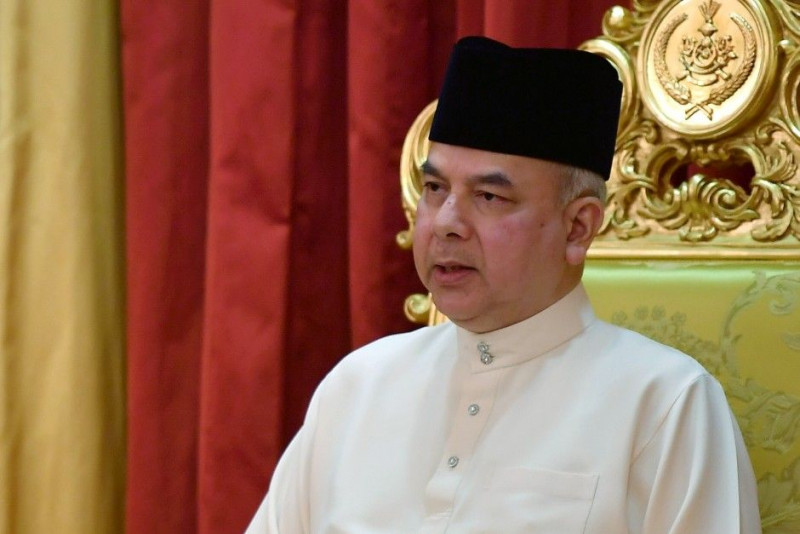
HIS Royal Highness the Sultan of Perak, Sultan Nazrin Shah has emphasised that good governance is essential in reinforcing Muslim confidence in zakat institutions, urging those entrusted with managing Islamic tithes to uphold the highest standards of integrity, transparency, and accountability.
Speaking at the launch of the Zakat Perak Al Ridzuan centre in Ipoh today, His Royal Highness cautioned against any abuse of power or breach of trust in the collection and distribution of zakat, which Islam strictly prohibits.
Quoting a hadith involving the Prophet Muhammad (PBUH) and a zakat collector named Al-Lutabiyyah, the Sultan highlighted the Prophet’s firm stance on accepting gifts while in public service.
“Rasulullah (PBUH) asked, ‘Would you have received this gift had you not been appointed to collect zakat?’ He regarded such gifts as dubious, fearing they might contain elements of corruption, and advised Al-Lutabiyyah to return it to its giver,” Sultan Nazrin said.
He stressed that the lesson should serve as a benchmark for fostering a culture of trustworthiness and ethical conduct among staff at the Perak Islamic Religious and Malay Customs Council (MAIPk) and other zakat agencies.
The Sultan expressed his appreciation for initiatives to improve zakat collection, including the state government’s move to introduce a monthly zakat salary deduction scheme for civil servants. He also commended MAIPk, noting that all its staff — from the president to support personnel — contribute zakat through salary or allowance deductions.
“Various parties, both individuals and organisations, play an important role in increasing zakat collection,” Bernama quoted him saying.
Sultan Nazrin also underscored the vital role of zakat as an instrument of social justice, intended to uphold the dignity of the less fortunate and bridge the divide between rich and poor. He cited verse 60 of Surah At-Taubah as the guiding principle in ensuring the rights of asnaf — the eligible recipients of zakat — are respected.
Reflecting on the historical evolution of zakat practices, he noted that traditional systems operated on trust, with limited documentation or structured mechanisms for monitoring.
“The method of managing zakat collection has a long history, where collections were traditionally carried out over extended periods and handed individually to religious teachers, who would then distribute them to the asnaf group based on local needs,” he said.
However, he added that such informal methods lacked transparency and made it difficult to verify how effectively zakat fulfilled its intended purpose.
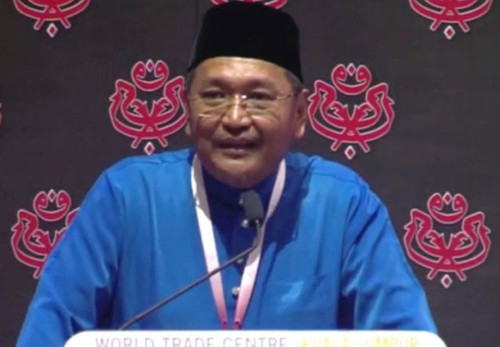
Also in attendance at the event were Perak Menteri Besar Datuk Seri Saarani Mohamad and MAIPk president Tan Sri Mohd Annuar Zaini. - June 26, 2025