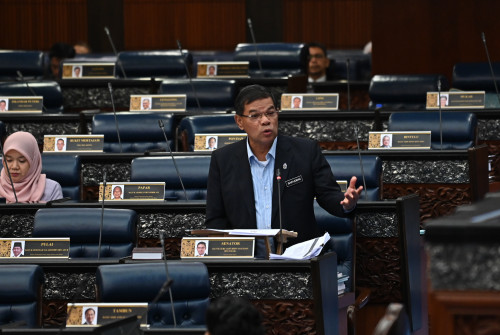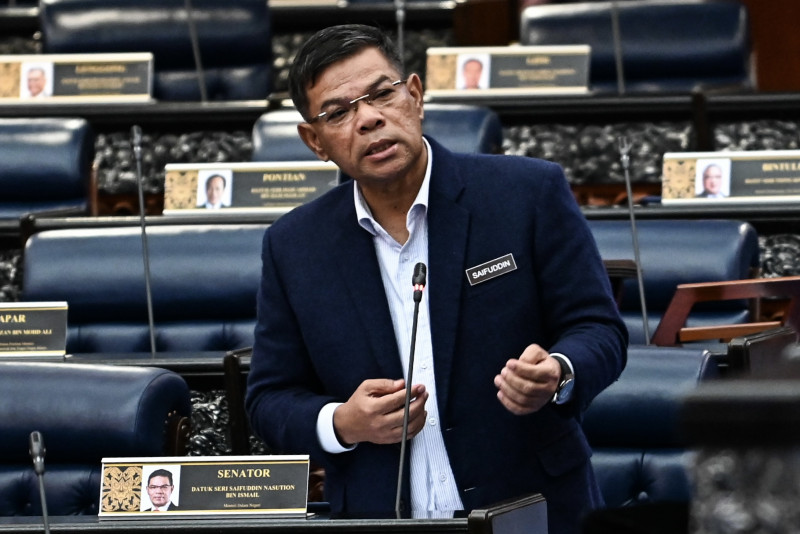
HOME Minister Datuk Seri Saifuddin Nasution Ismail has confirmed that police are investigating all angles related to the alleged leak of minutes from a Judicial Appointments Commission (JAC) meeting, which appeared online on 12 July and quickly sparked controversy over potential interference in judicial affairs.
In a written parliamentary reply to Ramkarpal Singh (PH–Bukit Gelugor), the minister said that the probe will be carried out “comprehensively, fairly, and in accordance with the rule of law”.
He added that the police are working closely with relevant agencies, including the JAC itself, to complete the investigation.
“An investigation has been carried out under Section 8 of the Official Secrets Act 1972, Section 203A of the Penal Code, and Section 233 of the Communications and Multimedia Act 1998,” Saifuddin said.
He confirmed that the investigation paper will be referred to the Attorney-General’s Chambers once all necessary steps have been completed.
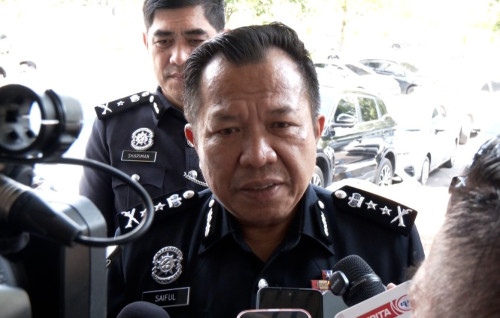
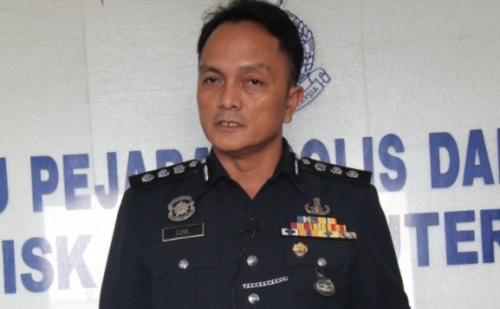
Police were first alerted to the matter following a report lodged by an officer from the chambers of a Federal Court judge. The Inspector-General of Police, Datuk Seri Mohd Khalid Ismail, later confirmed that the case is being handled by Bukit Aman’s Classified Crime Investigation Unit (USJT).
The investigation focuses on identifying the source of the leak—whether internal or via online platforms—and tracing how the document, believed to date from a JAC meeting in May, was circulated.
“We will call in all competent witnesses to have their statements recorded,” Mohd Khalid had said.
He also issued a stern reminder to the public not to share or distribute any classified government documents.
“Firm action will be taken against any party found involved in the disclosure and circulation of such information,” he warned.
The controversy erupted after excerpts from what was claimed to be confidential JAC meeting minutes were first posted on Reddit, before spreading rapidly to other platforms including Facebook and X (formerly Twitter).
While the authenticity of the document had not been officially verified, opposition figures and civil society groups have called for a public explanation, alleging political interference in the judicial appointments process.
The case has now become a flashpoint in the broader national debate over judicial independence, transparency, and the public’s right to scrutinise decision-making at the highest levels of government.
The document’s contents have not been officially confirmed, but opposition parties and civil society groups have seized on the allegations, accusing the government of interference in the judicial appointment process. - August 5, 2025