THE Government Procurement Bill 2025, passed in the Dewan Rakyat yesterday, is poised to stamp out the long-criticised ‘Ali Baba’ practice in public procurement by introducing tougher penalties for all involved parties, including former civil servants, retirees, contractors, and even ministers.
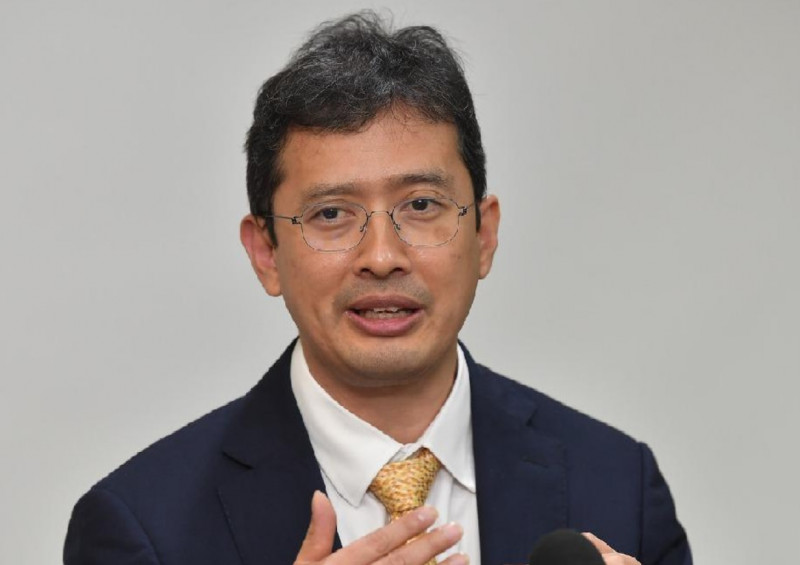
Treasury Secretary-General Datuk Johan Mahmood Merican said unauthorised subcontracting or the transfer of government-awarded contracts – practices commonly associated with ‘Ali Baba’ arrangements – would be classified as serious offences under the new law.
“This offence undermines the integrity and fairness of government procurement. Those found guilty can be fined not less than three times the value of the awarded contract or RM1 million, whichever is higher, or face imprisonment of up to five years – or both,” he said during an online media briefing on the bill today.
“It applies to all parties, including retirees who were previously beyond the law’s reach, companies that interfere in the process, and even ministers or the Treasury Secretary-General himself. No one is above the law.”
The bill, passed through a division vote in Parliament following debate from both government and opposition MPs, comprises 12 parts and 93 clauses. It seeks to enforce full accountability among all parties handling public procurement and to eradicate corruption and misuse of public funds.
Johan added that other offences outlined in the bill include failure to declare conflicts of interest, interference in procurement decisions at any level, and the falsification of records or submission of false information.
He explained that the act's scope extends to all entities receiving government funding – including state governments, local authorities, statutory bodies, government-linked companies, and any organisation funded by public money.
To promote transparency, a checks-and-balances mechanism will be introduced, allowing for complaints and appeals to be heard by an independent tribunal.
“This tribunal will be chaired by members of the judiciary or legal profession, not civil servants, to ensure impartial decisions that the public and industry players can trust.
“With this independent review process, any procurement decision can be challenged in the event of dissatisfaction,” Johan said.
The bill also enhances investigative powers, granting officers the authority to act on any violations in cooperation with other enforcement agencies.
According to Johan, the drafting of the legislation represents a significant step toward strengthening Malaysia’s financial governance, closing loopholes for manipulation, and ensuring effective implementation of government procurement policies – including the prioritisation of local goods, support for small and medium enterprises (SMEs), and the adoption of green practices. - August 29, 2025