THE Ministry of Health (MOH) will soon present a proposal to the Cabinet to revise the rate of the On-Call Duty Allowance (Elaun Tugas Atas Panggilan or ETAP) in a bid to implement the increase by 2026.
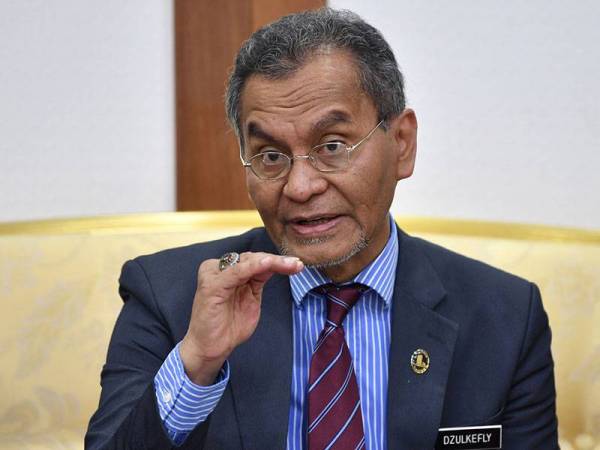
Health Minister Datuk Seri Dr Dzulkefly Ahmad said the move forms part of the government’s ongoing commitment to improve incentives and welfare for healthcare personnel in line with evolving needs.
“MOH is constantly working to enhance the provision of incentives and staff welfare through periodic reviews of allowances and benefits, including the proposed increase to ETAP,” he said in a statement on Friday.
He added that the ministry’s permanent staff, including those in Sabah and Sarawak, are currently entitled to a range of allowances. These include the Critical Service Incentive Payment, Specialist Incentive Allowance, After-Hours Clinic Duty Allowance (Locum), Elective Surgery Allowance, and the recently introduced Pre-Gazettement Specialist Incentive Payment (BIPPW).
Additional entitlements for qualified staff include the Remote Area Incentive, Hospital Administration Allowance, Location and Hardship-Based Allowance, and Regional Travel Subsidy.
Standard civil service benefits such as Housing and Cost of Living Allowances also apply, alongside region-specific perks like Flexible Working Hour Allowance for medical graduates and sessional payments for private specialists operating in public hospitals.
In a separate development, Dr Dzulkefly revealed that MOH currently has five family medicine specialists (FMS) with subspecialties in paediatric health, with three more undergoing training.
These specialists are stationed across Perak, Selangor, Kuala Lumpur, Penang, Melaka, Terengganu and two locations in Sabah.
“There are currently five FMS with paediatric health subspecialties, and three others are still in training,” he said in a written reply published on Parliament’s website in response to a question from Senator Dr RA Lingeshwaran.
The senator had inquired whether there were existing gaps in specialist manpower and allied health professionals, given the rising incidence of autism and Attention Deficit Hyperactivity Disorder (ADHD) among Malaysian children.
Dr Dzulkefly acknowledged the shortfall, noting a low therapist-to-patient ratio compared to neighbouring countries, imbalanced manpower distribution in Sabah and Sarawak, and limited facilities in rural regions.
To address these challenges, the ministry is implementing a range of strategies, including telerehabilitation services to improve treatment access, group-based parental intervention programmes, and expanded community outreach in underserved areas.
He added that additional measures include reassessing workforce allocation by state and submitting applications to increase the number of allied health therapy positions to the ministry’s Human Resources Division. - Sept 5, 2025