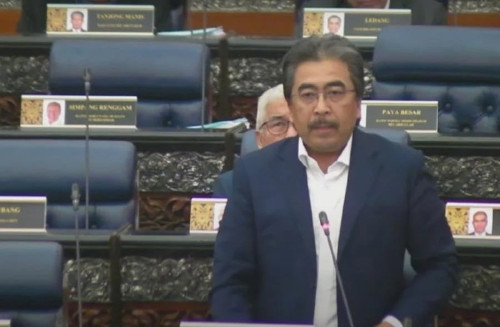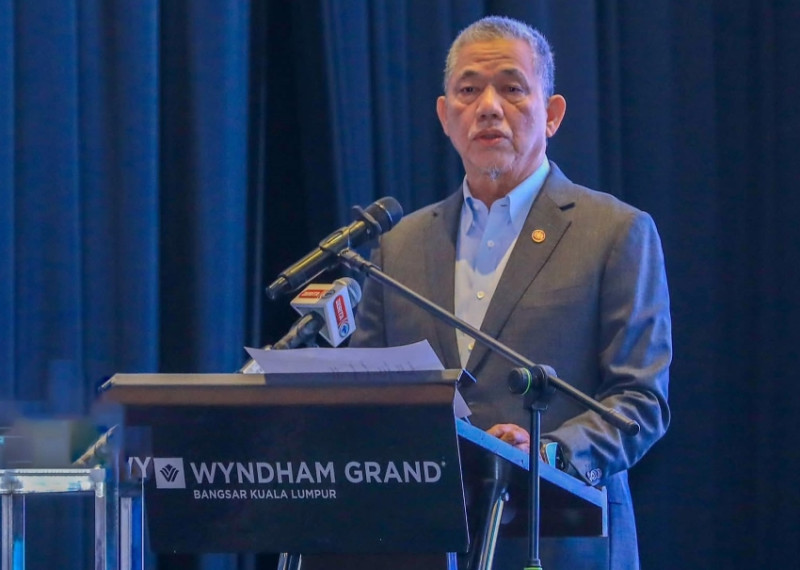
MALAYSIA has launched its inaugural National Action Plan on Women, Peace and Security (WPS), with Deputy Prime Minister Datuk Sri Fadillah Yusof calling for women’s full and meaningful inclusion in peacebuilding across ASEAN and beyond.
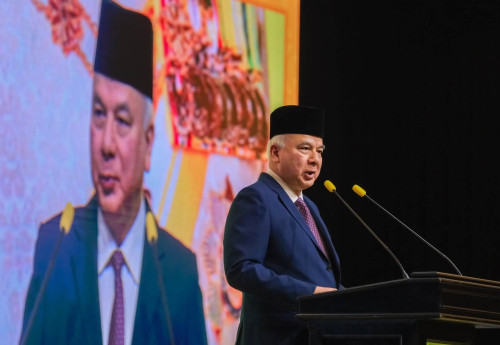
Speaking at the ASEAN Women, Peace and Security Summit 2025 in Kuala Lumpur on Tuesday, Fadillah said the WPS agenda should no longer be treated as “an add-on to diplomacy” but recognised as “a pillar of how we strengthen trust, cooperation, and peace itself”.
“No peace will last if half of humanity is left outside the door,” he said. “The Women, Peace and Security agenda is not simply paperwork; it is about making real change on the ground.”
The summit, held at the Park Royal Collection Hotel, gathered regional leaders, policymakers and international partners to chart a course for more inclusive peace strategies. Fadillah noted that Malaysia’s new National Action Plan was developed in close coordination with the Ministry of Women, Family and Community Development, as well as the Ministries of Defence and Foreign Affairs.
The Plan builds on Malaysia’s broader gender policy framework — including the National Women Policy 2025–2030 — and responds to calls from international bodies such as the CEDAW Committee for targeted strategies addressing the role of women in conflict prevention and resolution.
Drawing on Malaysia’s mediation experience in Southern Thailand and Mindanao, Fadillah highlighted that women have long played a critical, if underrecognised, role in sustaining peace. “Peace is not something that can be sustained by documents alone. It depends on trust — and often that trust is quietly built by women in their communities,” he said.
Fadillah also spoke to the increasing complexity of security challenges, from violent extremism to climate vulnerability and cyber threats, noting that such risks demand inclusive approaches. “Within these challenges lie opportunities — for innovation, for stronger partnerships, and for a renewed commitment to inclusive peace,” he said.
As ASEAN Chair for 2025, Malaysia has adopted the theme “Towards an Inclusive and Sustainable ASEAN Community”. According to Fadillah, these goals cannot be separated from the WPS agenda. “Inclusivity and sustainability are inseparable, and both are unattainable without the full and meaningful participation of women,” he said.
He urged ASEAN to go further in embedding WPS principles into the regional peace and security framework. “Imagine if every peace process we led had women fully engaged in negotiations and community reconciliation. These are not abstract ideals; they are practical actions that strengthen peace over time,” he said.
Referencing a UN Women global study, Fadillah underscored the evidence: peace agreements are 35 per cent more likely to endure at least 15 years when women are involved meaningfully in their creation.
He called on delegates to ensure that the two-day summit serves not merely as a forum for discussion, but as a platform for concrete action. “Let us use these two days to exchange ideas, learn from one another, and strengthen the partnerships that will carry ASEAN forward.”
The launch of Malaysia’s WPS Action Plan marks a significant milestone in the region’s collective commitment to gender-inclusive peacebuilding, at a time of both mounting challenges and opportunity. - September 9, 2025