


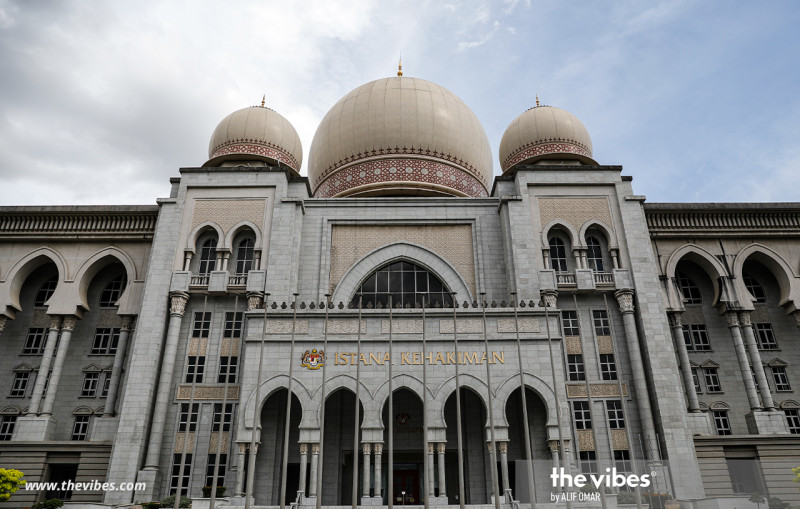
MALAYSIA’S courts closed the year having delivered a series of consequential rulings that reverberated through politics, governance and civil society, underscoring the judiciary’s central role in defining accountability and constitutional limits of power.
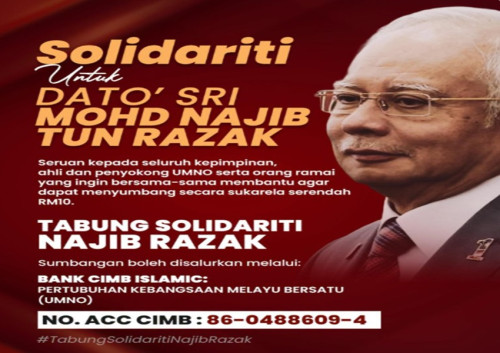
The most high-profile case culminated on Dec 26 with former prime minister Datuk Seri Najib Razak being sentenced to a total of 165 years’ imprisonment and fined RM13.4 billion after being convicted of abuse of power and money laundering involving 1Malaysia Development Bhd funds.
The jail terms are to run concurrently, meaning Najib will serve 15 years.
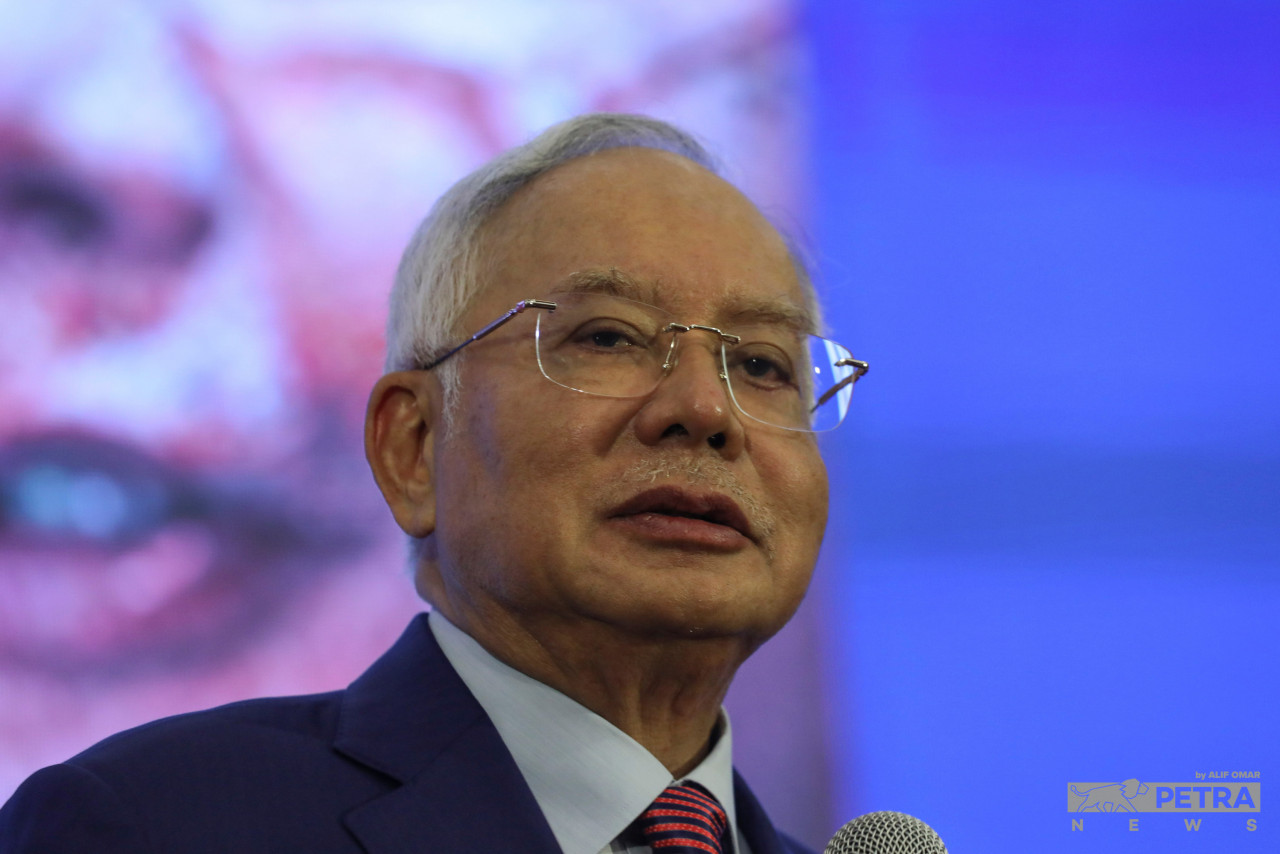
His counsel, Tan Sri Muhammad Shafee Abdullah, has since filed an appeal against both the conviction and sentence.
Days earlier, on Dec 22, the High Court dismissed Najib’s bid to serve the remainder of his six-year sentence in the SRC International Sdn Bhd case under house arrest.
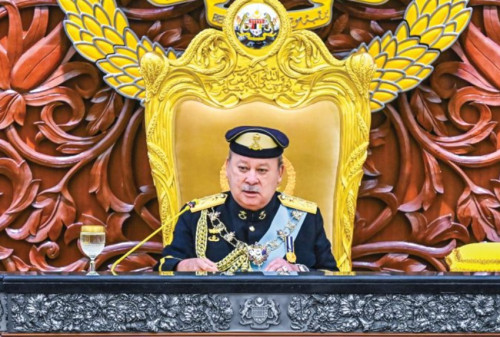
Judge Alice Loke ruled that the purported royal addendum was invalid, holding that the Yang di-Pertuan Agong could not exercise the royal prerogative of mercy independently and must act on the advice of the Pardons Board in accordance with Article 42 of the Federal Constitution.
Najib also saw mixed outcomes in other proceedings. In June, he was granted a discharge not amounting to an acquittal on three money-laundering charges involving RM27 million linked to SRC, after the prosecution failed to supply hundreds of documents to the defence despite the charges having been filed in 2019.
His wife, Datin Seri Rosmah Mansor, obtained a reprieve when the Attorney-General’s Chambers decided not to appeal her acquittal on charges of money laundering and tax evasion involving RM7 million.
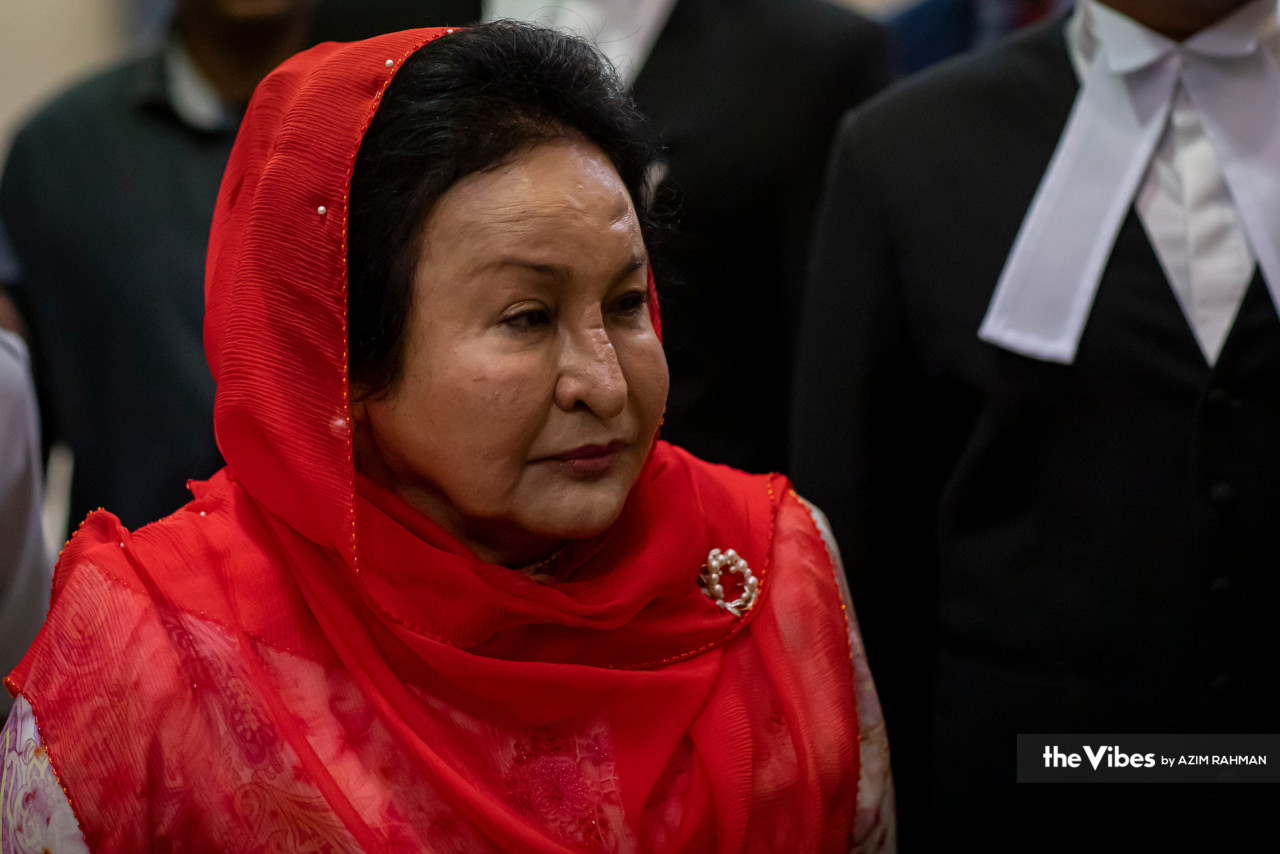
However, her appeal against a separate conviction and sentence of 10 years’ imprisonment and a RM970 million fine over a solar hybrid school project remains pending before the Court of Appeal.
Several politicians also exhausted their legal options this year. Former Sabah infrastructure minister Datuk Peter Anthony was jailed in March after losing his final appeal against a conviction for falsifying documents related to a Universiti Malaysia Sabah maintenance contract.
In October, former Tronoh assemblyman Paul Yong was sent to prison after the Federal Court dismissed his final appeal against his conviction for raping his Indonesian maid.
The case involving Muar member of parliament Syed Saddiq Syed Abdul Rahman took an unexpected turn in June when the Court of Appeal overturned the High Court’s sentence of seven years’ imprisonment, a RM10 million fine and two strokes of the rotan for abetting criminal breach of trust involving RM1 million.
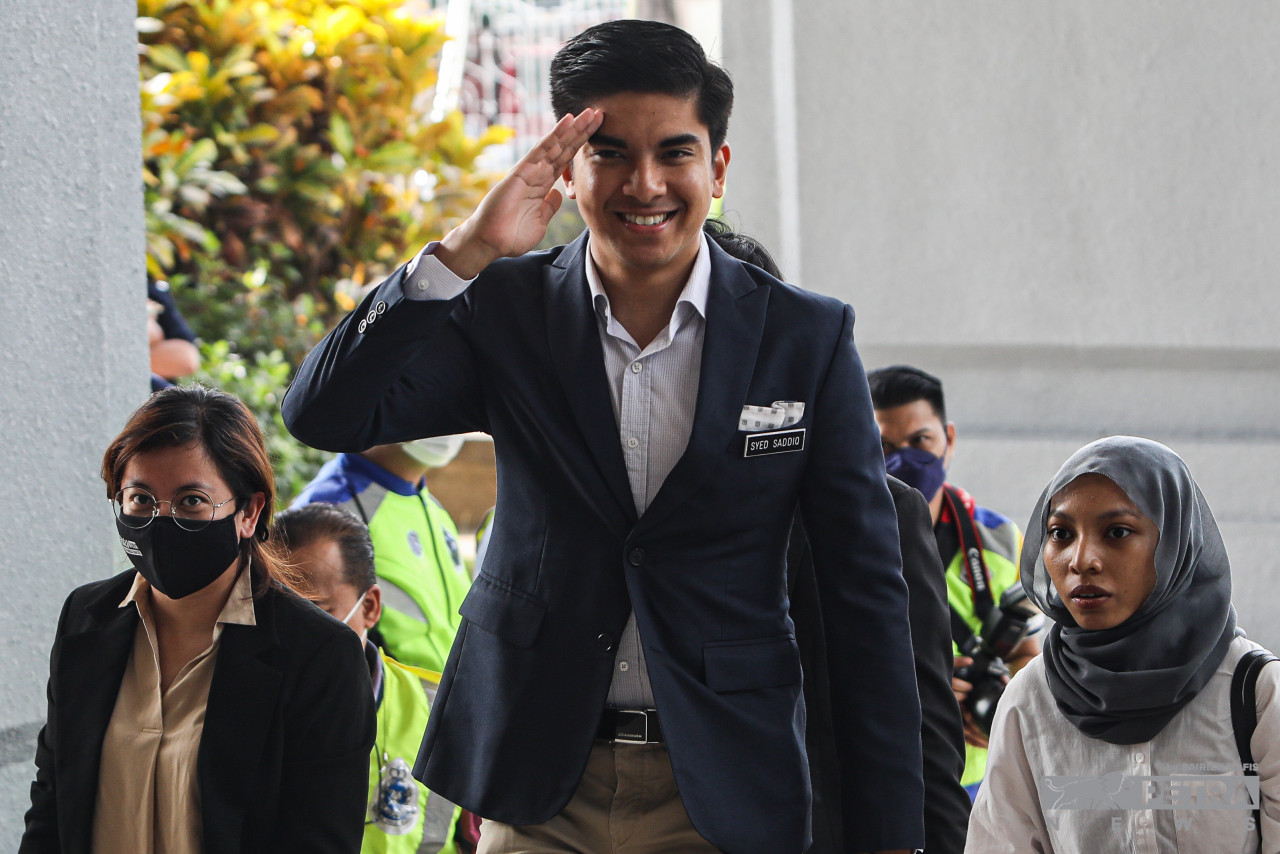
The matter is now before the Federal Court, which in December took the unusual step of urging both prosecution and defence to reassess their submissions before judgment.
The prosecution has confirmed it will proceed with its appeal on the instructions of Attorney-General Tan Sri Mohd Dusuki Mokhtar.
Beyond criminal trials, the courts also resolved long-running disputes with national implications. In the decades-old Duta Enclave land case, the Federal Court ruled that the 107 hectares belonged to the government, notwithstanding that the land had been unlawfully acquired, and ordered compensation to Semantan Estate Sdn Bhd in an amount yet to be determined.
In another constitutionally significant ruling, the Kota Kinabalu High Court directed the federal government to conduct a review with Sabah to determine the state’s 40 per cent revenue entitlement for each financial year from 1974 to 2021.
The decision revived debate over Sabah’s rights under the Malaysia Agreement 1963 and the constitutional framework governing revenue sharing.
Human rights accountability came sharply into focus in November, when the High Court awarded RM3 million in damages to the family of missing activist Amri Che Mat and RM37 million to the family of Pastor Raymond Koh.
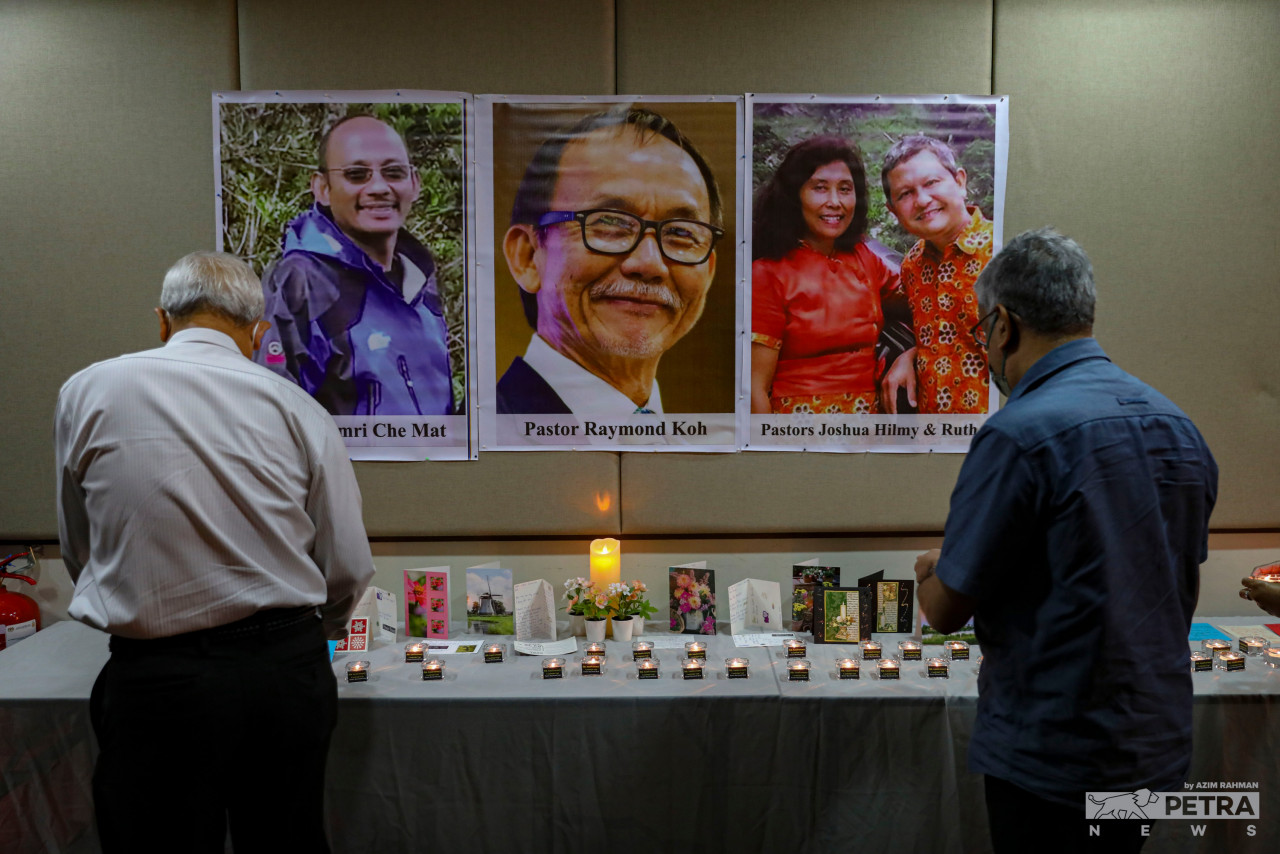
In Amri’s case, the court held that police and government officers had acted “unconstitutionally” by failing to properly investigate his disappearance. In Koh’s case, it found that the police never conducted investigations in a meaningful manner.
Both decisions were widely viewed as watershed moments on the state’s duty to investigate enforced disappearances.
In criminal matters involving private citizens, Ismanira Abdul Manaf, the mother of murdered autistic child Zayn Rayyan Abdul Matin, was convicted in October of child neglect and sentenced to five years’ imprisonment.
On Dec 23, the High Court dismissed her application for a stay of sentence, finding no special circumstances to justify her release pending appeal.
Public attention also remained fixed on the ongoing inquest into the death of 13-year-old Zara Qairina Mahathir, who died after falling on July 16.
Testimony from teachers and classmates highlighted concerns over student safety and bullying, prompting calls for greater accountability in schools. Separately, five teenagers have been charged and pleaded not guilty to using abusive words against Zara Qairina.

The year also saw action against organisations deemed unlawful. On Nov 7, Global Ikhwan Services Bhd chief executive officer Datuk Nasaruddin Md Ali and 12 others were sentenced to 13 months’ imprisonment after pleading guilty to an alternative charge of being members of an unlawful society.
They were released immediately, having already spent the equivalent period in custody.
Two landmark constitutional rulings further reshaped civil liberties.
On July 16, the Federal Court struck down Section 9(5) of the Peaceful Assembly Act, which criminalised the failure to give five days’ notice before holding an assembly, ruling that it imposed a disproportionate restriction on the right to peaceful assembly under Article 10 of the Federal Constitution.
On the same day, the Court of Appeal invalidated the words “offensive” and “annoy” in Section 233(1)(a) of the Communications and Multimedia Act, holding that criminalising online speech on those grounds imposed a disproportionate restriction on freedom of expression guaranteed by Article 10.
Taken together, the year’s decisions marked a defining chapter for Malaysia’s judiciary, reinforcing constitutional principles while signalling a willingness to confront abuses of power, clarify civil liberties and demand greater accountability from the state. - December 31, 2025












.jpeg)
