THE development of Malaysia’s National Halal Policy is now in its final phase and is expected to be completed by May, Deputy Prime Minister II Datuk Seri Fadillah Yusof said on Friday.
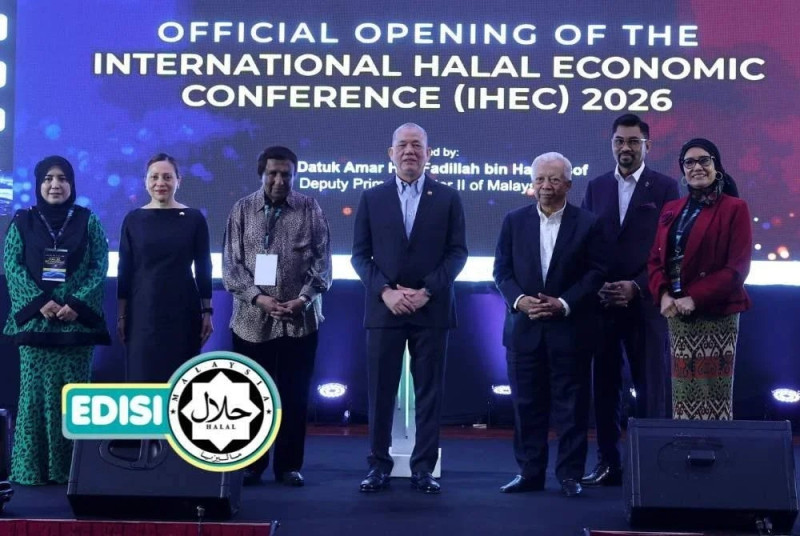
Speaking at the opening of the International Halal Economic Conference 2026 in Bangi, Fadillah said the government had agreed to formulate the policy to ensure a clearer and more sustainable direction for Malaysia’s halal sector.
“This policy will serve as a strategic guide to build an inclusive, well-structured and sustainable halal ecosystem without undermining existing certification authority under Jakim (the Department of Islamic Development Malaysia) and the State Islamic Religious Councils,” he said.
Media reports have previously highlighted Jakim’s commitment to strengthening the national halal ecosystem through the National Halal Policy 2025–2035, aimed at maintaining Malaysia’s position as a global halal leader.
The initiative includes strengthening standards and enforcement, as well as developing an action plan for 2025–2030 to ensure the country’s halal industry becomes more holistic and coordinated.
Fadillah said that to realise the next phase of halal industry development, Malaysia remains committed to strengthening implementation in a structured, focused and high-impact manner across three priority areas.
These include empowering certification pathways for small and medium enterprises, enhancing certification systems and mutual recognition arrangements, and strengthening halal industry clusters.
He said these efforts would allow Malaysia to stand firm as a global halal industry leader that is both credible and competitive.
Fadillah noted that the halal industry continues to make a significant contribution to the national economy, accounting for 7.94 per cent or RM118.2 billion of gross domestic product up to the third quarter of 2025.
This performance, he said, is supported by a growing number of registered halal exporters, which has now reached 1,525 companies, reflecting the industry’s strong competitiveness and vast potential as a driver of economic growth.
On the International Halal Economic Conference 2026, Fadillah said its organisation was highly significant as a key platform for discussing and shaping the future direction of the halal economy in a comprehensive and integrated manner.
“I very much hope that all views can be shared, including improvements to existing systems, and how we want to expand the whole value chain or ecosystem related to the halal economy for our country.
“God willing, I will share these with Ahmad Zahid, the deputy prime minister who is also the chairman of the Cabinet Committee on Strengthening Halal Certification,” he said. - February 6, 2026




.jpeg)