


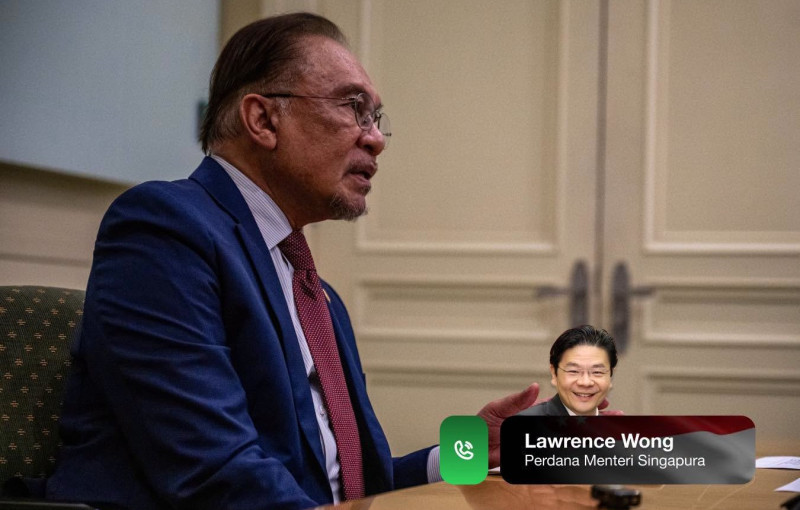
MALAYSIA and Singapore have intensified coordination over the Middle East conflict, warning of deepening risks to global energy supplies and regional economic stability as oil flows remain under strain.
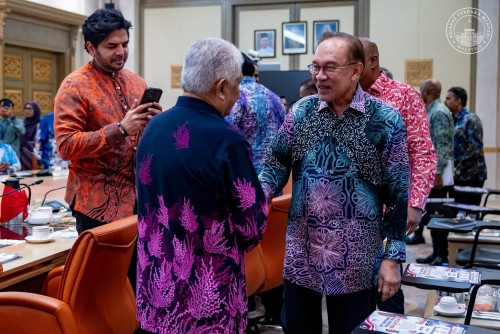
Malaysia’s Prime Minister Datuk Seri Anwar Ibrahim and Singapore’s Prime Minister Lawrence Wong held discussions on April 20, focusing on the war’s impact on supply chains and the need for a sustained diplomatic push to contain the crisis.
Both leaders welcomed a temporary ceasefire involving the United States, Iran, Israel and Lebanon, while emphasising that a broader and lasting settlement remains essential.
“Malaysia supports ongoing diplomatic efforts, including Pakistan’s role in opening space for dialogue between the parties involved,” Anwar said in a Facebook post yesterday.
The urgency of those efforts has been heightened by disruptions to the Strait of Hormuz, a critical artery for global oil and liquefied natural gas shipments, following its closure by Iran during the conflict.
Wong underscored the importance of close coordination between neighbouring states as they confront the fallout from the crisis.
“At a time like this, it is all the more important for close neighbours like Singapore and Malaysia to stay coordinated and support one another,” Wong wrote.
The conflict, which began on February 28 with attacks by the United States and Israel on Iran that killed senior leadership figures including supreme leader Ali Khamenei, has since escalated across the Gulf region, triggering retaliatory strikes and a sharp contraction in energy flows.
Against this backdrop, both governments stressed the need to safeguard freedom of navigation through Hormuz in line with international law, while accelerating domestic and regional measures to mitigate supply shocks.
Energy cooperation featured prominently in the talks, with both sides prioritising efforts to strengthen grid resilience, manage supply-demand imbalances and deepen integration through the ASEAN Power Grid.
Anwar said these steps were essential to ensuring longer-term stability.
“God willing, through close cooperation and a people-centred approach, we will continue to ensure that Malaysia and ASEAN remain resilient in facing this global uncertainty,” he said.
“We will continue to prioritise domestic needs and ensure Malaysia and the region remain resilient amid global uncertainty,” he added.
The latest exchange builds on earlier discussions between the two leaders on March 25, when they also pledged to protect regional stability as the conflict began to weigh heavily on oil supplies and economic conditions. - April 21, 2026



.jpg)
