
MALAYSIA is keeping a close watch on developments in the Strait of Hormuz as renewed tensions in West Asia threaten to disrupt global trade flows and create economic challenges, including for the country.
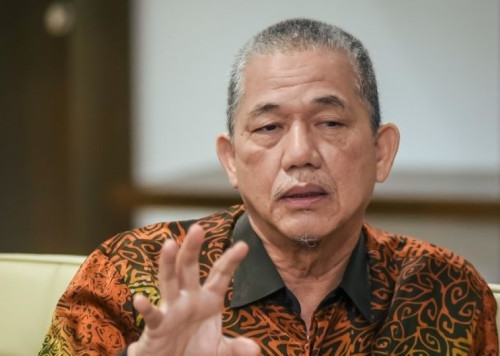
Deputy Prime Minister II Datuk Seri Fadillah Yusof said uncertainty continued to surround the strategic maritime route despite previous peace efforts, as ongoing attacks raised concerns over the security of international shipping lanes.
“The situation remains uncertain and worrying. Although there has been a peace agreement, attacks are still taking place,” he said after the closing ceremony of the Sejijak Regatta in Kuching on Sunday.
Fadillah was commenting on reports of slower daily traffic through the Strait of Hormuz following renewed hostilities in the region.
He said any disruption along the vital shipping route could affect vessels carrying essential goods worldwide, including energy resources and critical raw materials.
“When attacks occur, they will affect shipping flows carrying priority goods needed by every region.
“This involves not only oil and gas, but also other basic commodities including fertilisers, chemicals and supplies required across the global supply chain,” he said.
Fadillah, who is also Energy Transition and Water Transformation Minister, said supply chain disruptions could drive up production costs across downstream industries, including the medical, services and manufacturing sectors.
He said Malaysia hoped all parties involved would respect existing agreements and return to negotiations to achieve a peaceful resolution that would safeguard global stability and prosperity.
“For now, Malaysia remains in a good position. Petroliam Nasional Berhad (PETRONAS) has also held discussions at various levels and, Insya-Allah, the country’s energy supply is currently guaranteed,” he said.
However, Fadillah cautioned that fluctuations in global oil and gas prices remained a significant challenge, as rising costs could place additional pressure on the country’s finances.
“Although we have various subsidy and assistance programmes for the people, increases in market prices will certainly put pressure on national finances.
“That is why the government must plan carefully to ensure fiscal sustainability while ensuring the welfare and assistance provided to the people remain a priority,” he said. - July 12, 2026




.jpeg)