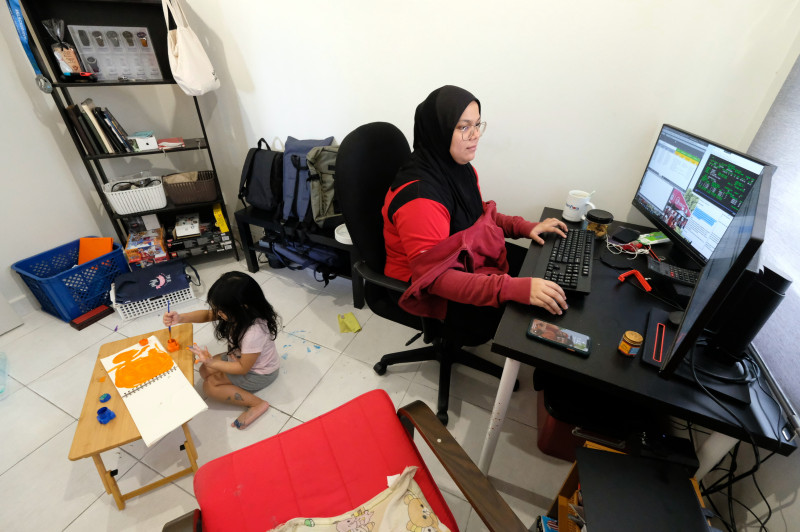
MALAYSIA’S civil service has begun a new chapter in workplace transformation with the introduction of the Hybrid Working Day (HBH) policy, allowing eligible government officers to split their working week between the office and remote locations.
Effective today, the policy enables civil servants to work three days from their offices and two days from home or alternative approved locations, replacing the conventional five-day office-based arrangement.
The move forms part of the government’s wider public service reform agenda aimed at improving efficiency, strengthening digital adoption and adapting to modern workplace trends.
The Public Service Department (JPA) described HBH as a future-ready initiative designed to ensure government services remain resilient amid global changes and evolving work practices, while maintaining the quality and continuity of services delivered to the public.
Under the HBH guidelines, civil servants in states where Sunday is the weekly rest day must attend the office on Mondays and Fridays.
For Kedah, Kelantan and Terengganu, where Friday and Saturday are the weekly rest days, compulsory office attendance days are set for Sundays and Thursdays.
A third day of physical attendance will be determined by respective department heads based on operational needs, while the remaining two working days may be carried out remotely depending on job functions and compliance with the established requirements.
The hybrid work model follows practices already adopted in several developed countries, including Singapore, Australia, Finland and Sweden, where flexible working arrangements have become increasingly common.
Under HBH, eligible officers will no longer need to apply individually or wait for special instructions, as the arrangement is now incorporated into the permanent work framework, subject to conditions determined by department heads.
Department heads will have full authority to decide which officers qualify for hybrid working arrangements and may require employees to return to the office on scheduled remote working days if operational demands require their presence.
They may also withdraw an officer’s eligibility if the required conditions are not fulfilled or if performance and accountability standards are not maintained.
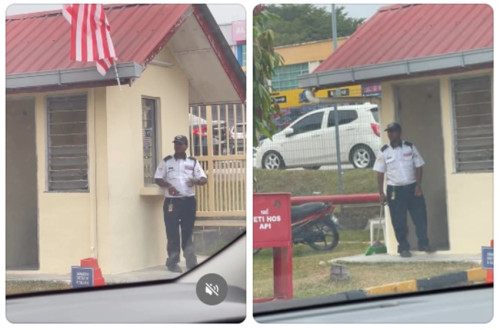
However, the policy excludes essential services that require full-time physical attendance, including frontline counter operations, security and defence services, enforcement agencies, education, healthcare and the judiciary.
To safeguard productivity and ensure accountability, employee attendance and work performance will be monitored through the SPOT-Me system.
Officers under the hybrid arrangement must continue complying with the Official Secrets Act 1972, remain contactable during working hours and be ready to report to their workplaces whenever directed.
JPA said HBH is built on the principles of trust, integrity and accountability, supported by digital technology to ensure Malaysia’s public service continues delivering efficient, effective and reliable services to citizens. - August 1, 2026