SCHOOL closures during Malaysia’s 2026 haze episode affected an estimated 8.4 million to 13.4 million student-days, while manufacturers reported lower output and temporary shutdowns, according to a study commissioned by the Federation of Malaysian Manufacturers (FMM).
The study, titled “The 2026 Fire Season and Transboundary Haze in Malaysia”, found that 37 per cent of manufacturing sites reporting operational impacts recorded lower output, while 27 per cent temporarily shut down at least one operation.
Staff availability was also affected, with 81 per cent of sites reporting increased sick leave or health-related absences and 63 per cent saying school closures affected staff availability. Staff shortages disrupted shifts, production or deliveries at 14 per cent of affected sites.
The survey covered 86 FMM member sites, including 81 manufacturers. More than two-thirds reported some operational impact, while 26 per cent described the disruption as moderate or significant.
The report cautioned that the findings were not representative of the entire manufacturing sector, as most responses came from Selangor and Penang, with only two from Sarawak.
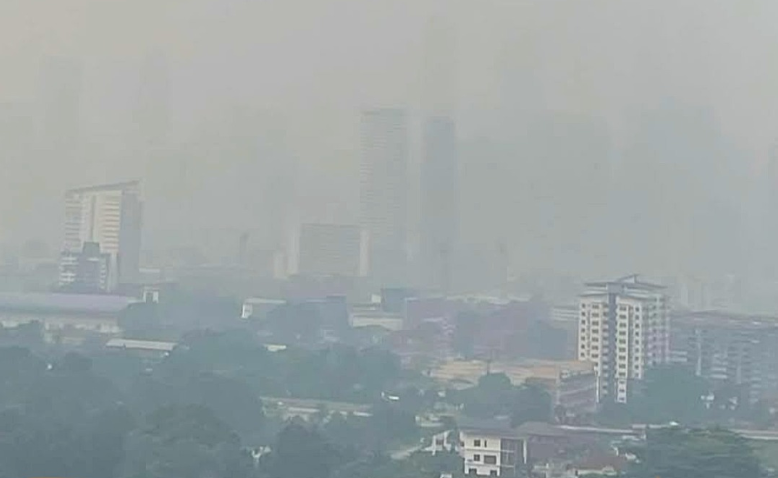
Beyond the disruption to education and businesses, the study estimated that the haze episode from July 1 to Oct 22 was associated with about 1,700 premature deaths, with a 95 per cent uncertainty interval of 1,300 to 2,300.
About 1,600 of the estimated deaths were attributed to smoke from fires outside Malaysia. The figures represent statistical estimates of deaths brought forward across the population, not individually identified cases.
The health burden of premature deaths was valued at between RM3 billion and RM15 billion using standard benefit-transfer methods. The report stressed that this figure reflects the value people place on avoiding the risk of premature death, rather than lost economic output, and should not be added to other economic losses.
The estimated death toll would fall to about 600 if fire smoke were assumed to be no more toxic than other fine particulate matter, the study said. It also noted that the underlying health-risk research did not include Malaysian cities and was based mainly on forest fires rather than peat fires.
FMM president Jacob Lee Chor Kok said haze should be viewed as a public health and economic concern, given its effects on workers, industrial operations and regional supply chains.
“Manufacturing industries are increasingly interconnected through regional and global supply chains. Environmental disruptions in one country can affect economic activities and business operations across national boundaries.
“Preventing haze is therefore not only an environmental responsibility but also an investment in economic resilience, sustainable industrial development and the wellbeing of future generations,” he said.
The research, conducted by Carbon Spur Sdn Bhd chief scientist Piyu Ke, used satellite observations, air-quality monitoring, atmospheric modelling and the FMM survey to examine the sources and consequences of prolonged haze exposure, including cumulative pollution rather than peak air pollution readings alone. - October 29, 2026