QUESTIONS over the handling of petroleum cargo under Malaysia’s customs-controlled arrangements have widened to include the blending of petroleum streams to produce Very Low Sulphur Fuel Oil (VLSFO).
Datuk Seri R. Jeyenderan, who has been seeking clarification over the handling and traceability of petroleum cargo declared under the K8 procedure at Tanjung Langsat, Johor, said authorities should examine whether existing rules clearly distinguish between storage, transit and transformation.
The Maritime Network Sdn Bhd CEO said the key question was what happens when petroleum brought into a customs-controlled facility is subsequently mixed with other petroleum streams to produce a different commercial product such as VLSFO.
“If different petroleum products are mixed in the same tank to produce VLSFO, should that still be considered storage, or has the cargo effectively been transformed into a new product?” he asked.
VLSFO is a marine fuel that can be produced by blending different petroleum components to achieve the required fuel specifications, making the regulatory treatment of such blending an important issue for petroleum terminals.
Jeyenderan said Customs should clarify whether the original K8 declaration remains applicable after petroleum undergoes blending, or whether the resulting product should be subject to a separate declaration.
He also questioned how duties and taxes should be treated when petroleum entering Malaysia under customs-controlled arrangements is subsequently blended into VLSFO before being exported or otherwise moved out of the facility.
Another concern is traceability, particularly where shore tanks already contain petroleum inventory before a new cargo is discharged.
Jeyenderan said operators should be able to demonstrate precisely what entered the tank, what was already there, what was blended and what ultimately left the facility.
He said a proper mass-balance system would enable Customs to reconcile the quantities and establish the movement and treatment of individual petroleum cargoes, particularly where different streams are commingled.
Jeyenderan also questioned whether the current framework could potentially allow a company to benefit from treatment intended for transit or storage while carrying out a value-adding blending operation.
He stressed that the issue should not necessarily begin with whether the government should impose a new tax, but whether existing customs, free-zone, bonded-storage and petroleum rules are being applied consistently when petroleum is transformed.
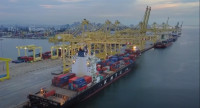
The questions are particularly relevant to the wider controversy involving nearly 77,000 tonnes of petroleum cargo declared under K8 at Tanjung Langsat, where questions have been raised over the recording and traceability of cargo after discharge into tanks containing existing inventories. – August 30, 2026