By Murray Hunter
NORTHERN Malaysia faces mounting pressure from a strengthening El Niño that could intensify into a strong or “super” event, bringing reduced rainfall, extreme heat, and heightened risks to water supplies and agriculture through early 2027.
Current low dam levels in Kedah already signal vulnerability, and authorities, farmers, and households need to act now to mitigate the impacts.
Forecasts indicate El Niño conditions will strengthen from November 2026, potentially peaking between late 2026 and early 2027, with effects lingering into the first quarter of next year and beyond.
This could dry out northern states such as Perlis, Kedah, Penang, and parts of Perak, delaying rice production cycles that depend on reliable irrigation and placing strain on household and industrial water use.
Malaysia’s rice bowl, Kedah, is particularly exposed.
As of early September 2026, key dams including Pedu, Muda, and Ahning showed combined storage around 36–37%, with Muda Dam at critically low levels near 9%.
Poor recent rainfall has already prompted cloud-seeding operations, yet levels continue to edge lower in places.
A prolonged dry spell would intensify stress on the water supply system that supports both domestic needs and the padi sector.
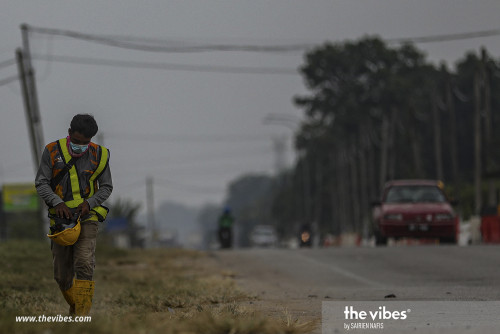
Reports highlight how an intense El Niño typically unfolds across the region. Temperatures may approach or exceed Malaysia’s recorded high of 40.1°C from 1998, with extreme heat expected to peak between March and May 2027.

Northern Peninsular states, along with Sabah and Sarawak, are among the areas most at risk of record or near-record heat.
Lower rainfall is projected in several regions; southern states such as Johor and Melaka could see reductions of up to 40% during parts of the Northeast Monsoon, while northern catchments face extended dry spells that further deplete reservoirs and strain water treatment plants.
Higher air-conditioning use would drive up electricity demand at a time when the grid is already managing growth from data centres and other loads.
Dry conditions also raise the prospect of severe haze.
Forest and peatland fires in neighbouring Indonesian provinces can send smoke across borders, producing unhealthy or hazardous air quality in Sarawak, the Klang Valley, and beyond. This carries health risks, potential school closures, and restrictions on outdoor work.
Agriculture would suffer too.
The hot, dry weather will critically reduce yields for rice in the north and could damage palm oil production in major growing states such as Sabah and Sarawak.
Even as the traditional wetter period approaches, current rainfall remains insufficient in many northern catchments, compounding existing water stress.
The effects will not be confined to the north.
The Economy Ministry and market analyst firms warn that hotter conditions will lift power demand for cooling while water shortages worsen, creating simultaneous pressure on both systems. Non-revenue water losses already exceed 37% nationally, meaning significant treated water is wasted before it reaches users.

Data-centre growth and rising overall electricity needs add further strain if heat persists.
In conclusion, northern Malaysia must treat the coming months as a critical window for preparation.
Stresses on water supplies may require accelerated development of alternative sources, such as groundwater, inter-basin transfers, expanded storage, or more efficient recycling, alongside stricter conservation and reduced non-revenue losses.
At the same time, excessive heat risks testing electricity supply reliability if demand surges as forecast.
Coordinated action by federal and state agencies, water operators, the energy sector, and farmers through cloud seeding where viable, demand management, crop adjustments, and public awareness will be essential to limit disruption to food production, daily life, and economic activity.
Early, decisive measures can help the region weather the drier conditions that a strong El Niño is expected to bring. – September 9, 2026





.jpeg)