KUALA LUMPUR – The Asean region can be a force to be reckoned with and offers much growth potential in the adaptation of the digital economy, said The Vibes social media adviser.
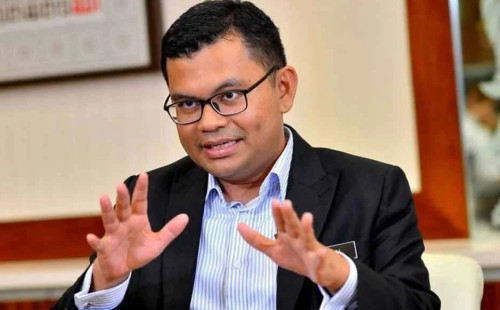
Group chief executive officer of Digitally.asia Group, Christopher Tock, said while it is important for Asean governments to work to increase broadband penetration across their lands, the Asean market should create the demand necessary for private-public partnerships to happen, thus creating a sustainable way to develop the bloc’s digital economy.
“Notwithstanding the spurt in growth, especially in other developing Asean countries, Asean will be a force to be reckoned with when it comes to the adaptation into the digital economy.
"Most definitely, Asean countries are well-placed to accelerate the growth of the digital economy,” the digital marketing specialist said in an interview recently.
Commenting on the growth momentum of the digital economy in Malaysia, Tock said since the first movement control order (MCO) to contain Covid-19 started in March last year, Malaysia saw a compounded growth of 53% of online shoppers, according to a recent study on market research by Vodus.
“That alone forces the market to shift their marketing and advertising online, investing in the inevitable e-commerce, whether they like it or not.
“As that process happens, business owners will come to appreciate the digitalisation process of their businesses to be more sustainable and data-driven,” he said, adding Malaysia came in at 38th out of 141 countries globally in Cisco’s Global digital readiness index rankings.
On the kind of incentives that can be given by the government in encouraging companies, namely small and medium enterprises (SMEs), to adapt to digitalisation in their business processes, Tock said the government should develop more shared facilities where SMEs can thrive – not just in the first-class infrastructure and plug and play processes, but also where talents can be found and developed.
“Secondly, our government should provide matching grants that will help SMEs invest in the digital transformation process with certified providers.
“Thirdly, the government needs to digitalise their own agencies first before anything else as there is no point creating these incentives when it will just fail during execution, which, unfortunately, is what we’ve experienced,” said the digital transformation advocate and social strategist.
Tock said that Malaysian consumers are increasingly open to the online transaction environment, given the uptake of services provided by Grab and Foodpanda among others, during the MCO, besides the increasing usage of eWallets like GrabPay, Touch ’N Go and Maybank’s MAE.
“We are spoilt by the fact that we can now request for refunds, collect rewards and monitor our spending by switching from cash to digital transactions.
“So, as long as regulations and protections are in place within the e-commerce ecosystem, the move towards an online transaction environment will become a norm,” he added.
Malaysia will chair the first Asean Digital Ministers' Meeting (ADGMIN1) via teleconference from January 21 to 22.
Themed "Asean: A Digitally Connected Community", the meeting seeks to strengthen cooperation among Asean countries towards building digital ecosystems as a pillar in the post-Covid-19 development plan.
Asean comprises 10 member states, namely Malaysia, Indonesia, the Philippines, Singapore, Thailand, Brunei, Laos, Myanmar, Cambodia and Vietnam. – Bernama, January 15, 2021