
KLANG – Fireproof walling will be among the mandatory requirements for future developments of the centralised labour quarters (CLQ) nationwide.
Human Resources Minister Datuk Seri M. Saravanan emphasised that while many employers must meet the requirements under the amended Workers’ Minimum Standards of Housing and Amenities Act 1990 (Act 446), which has also been gazetted as part of the emergency ordinance, it is not enough.
“It is encouraging to see companies being proactive in providing solutions to not only expedite compliance with Act 446, but also meeting the building standards and fire safety guidelines.
“I have asked my secretary-general to include this in the mandatory requirements as well.
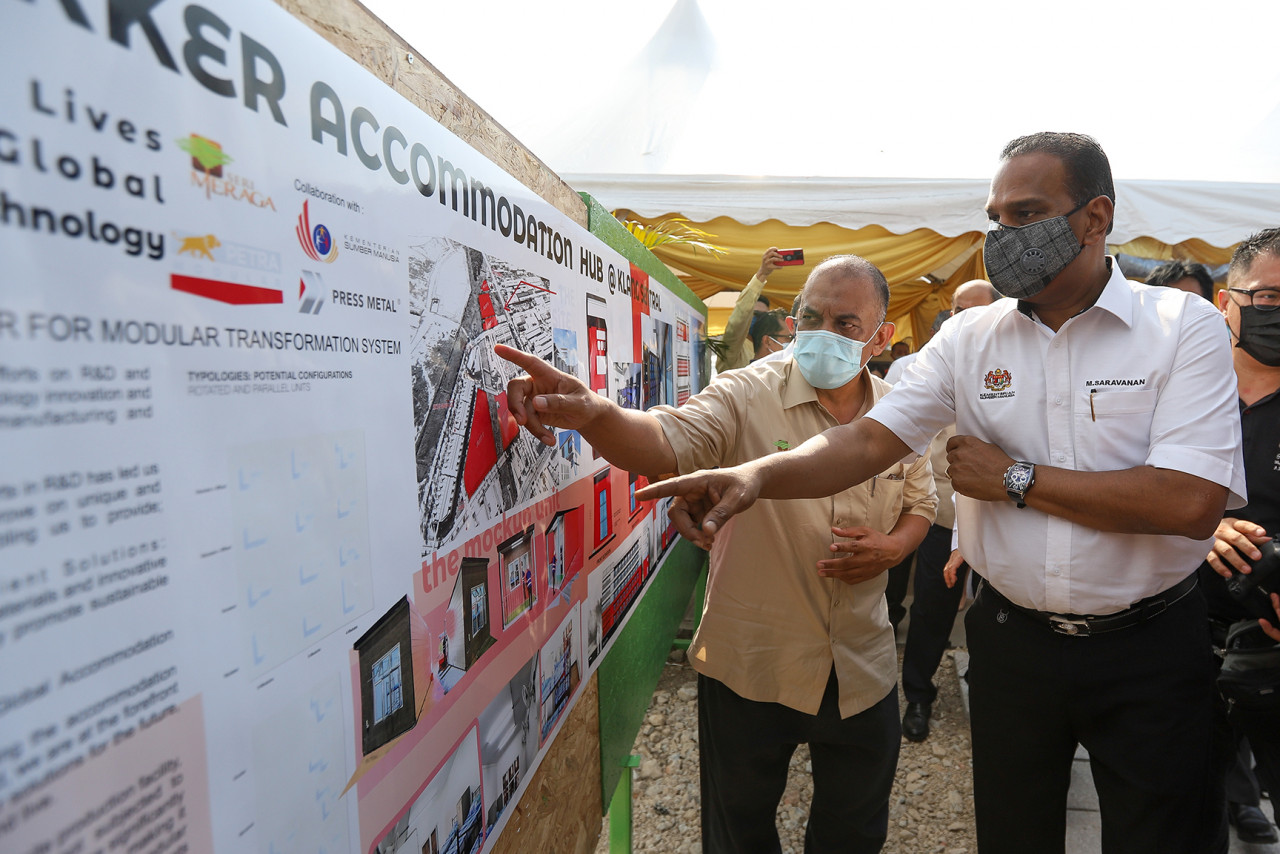
“My ministry will also be working with other ministries to ensure that employers do not compromise on the safety of their workers by using sub-par building solutions, which could potentially be a fire hazard,” he said after officiating the launch of the Workers’ Accommodation Hub in Klang Sentral here on Friday.
Giving workers a decent place to live, which Act 446 addresses, does not necesarily mean that their accommodation is safe from fire and other hazards, he stressed.
“I would like the relevant authorities and employers to ensure (requirements under) these acts and legislations are also met. Safety is paramount. We do not want another deadly fire incident, like at the tahfiz school a few years back.
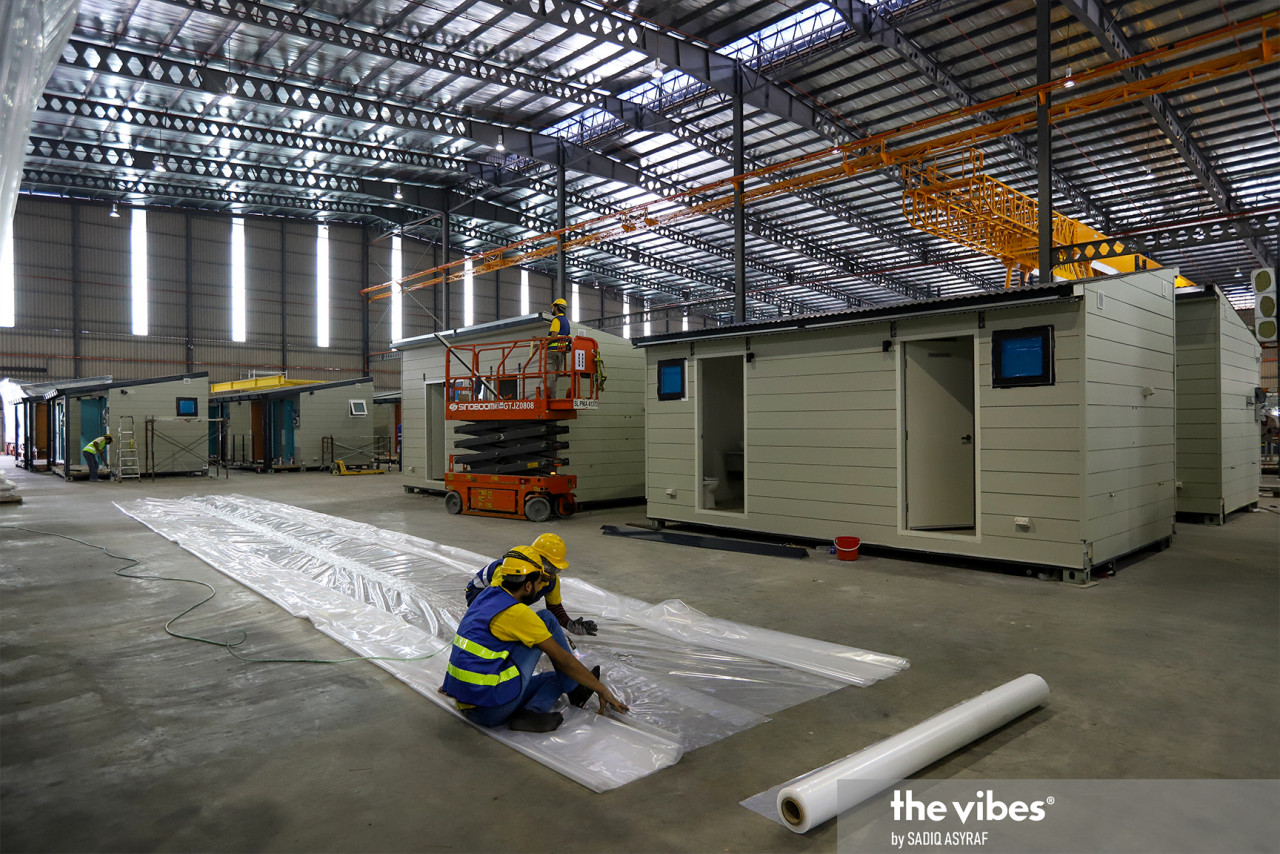
“Just meeting Act 446 is not enough. All parties involved must ensure that building structures comply with all of these concerns I’ve raised,” he said, commending the fireproof walling features of the accommodation that he had visited earlier.
Under Act 446, Saravanan explained, a cupboard without a lock in the CLQ would result in action being taken against the employers or accommodation providers.
“When there is a lock on the cupboard, workers can no longer give an excuse that their passports are being held by their employers for safekeeping.
“It allows them to keep their personal belongings without being compromised as well,” he said.
A blueprint, he announced, will be introduced to potential CLQ developers to build the facilities that conform to the specifications stated in Act 446. However, he stopped short of providing a timeline.
He also said the building of CLQs as per Act 446 will be focused on three states, namely, Selangor, Johor and Penang, in an effort to control CLQ production.
“We want to regulate the supply and demand chain for the building of CLQs. We cannot have too many CLQs built without being able to accommodate workers due to oversupply as well,” he said.
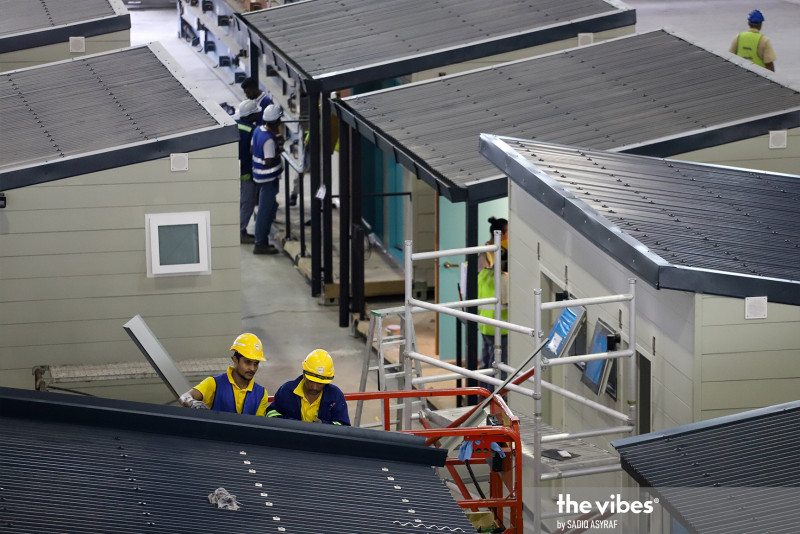
The Workers Accommodation Hub, under the KLang CLQ Zone, is the first CLQ built under the newly gazetted Act 446 included in the emergency ordinance.
It is a joint effort by Titijaya Land Bhd and Seri Meraga Group to support the CLQ initiative across industrial zones around Klang and Shah Alam.
The project, which meets international durability standards and fire safety regulations, is divided into five phases aimed at housing up to 10,000 workers upon completion.
Assembly and construction of the hub will take approximately six months to a year to complete by utilising efficient modular building technology and the highest-rated industrial building standards (IBS) construction system instead of the time-intensive conventional building.
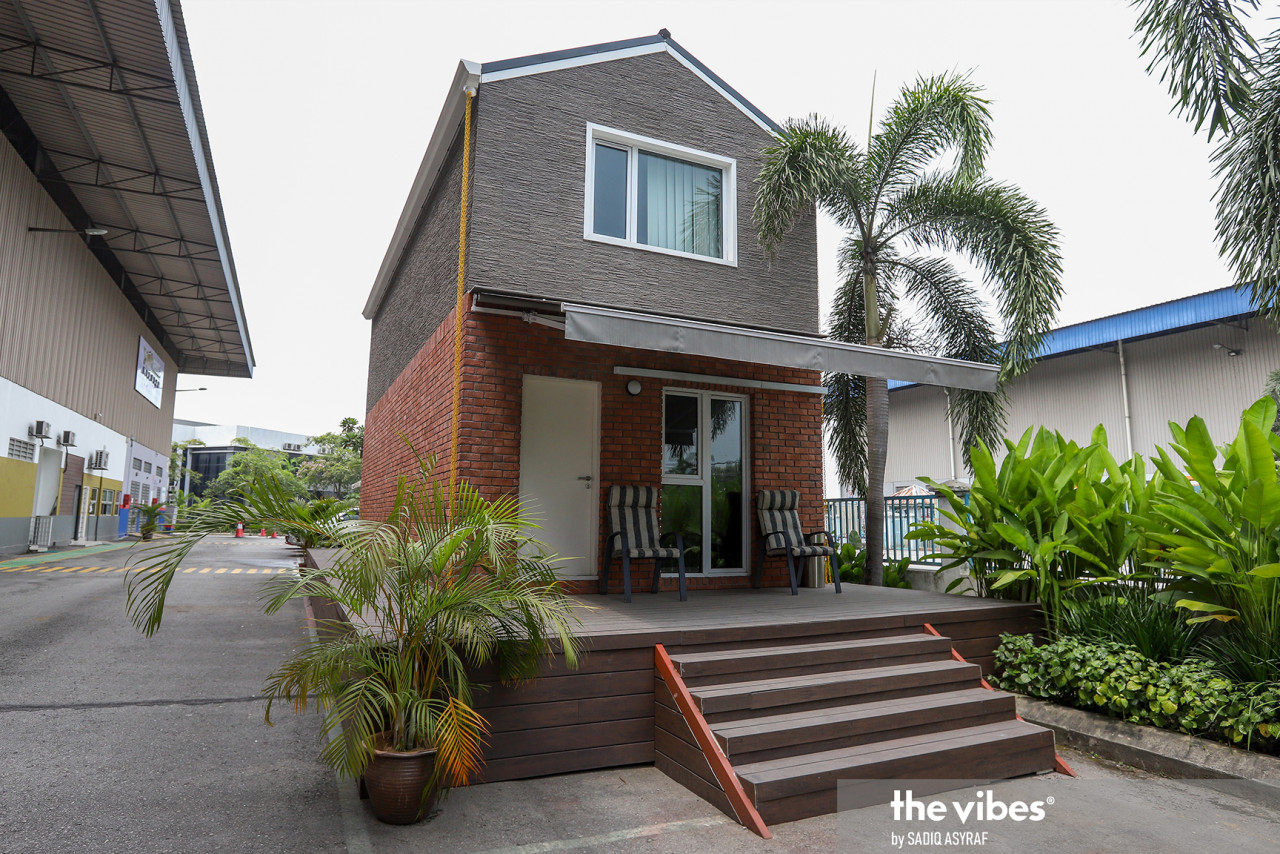
The Workers Accommodation Hub conforms to the recently gazetted Act 446 and fire safety Uniform Building By-Laws (UBBL) 1984 guidelines.
On February 17, amendments to Act 446 were gazetted as part of the emergency ordinance.
Among other things, the amendments provide powers to the ministry to act against errant employers in accommodation matters.
The amended act also compels employers to come forward and report on their undocumented migrant workers, who must be inoculated under the National Covid-19 Immunisation Programme.
The amendments also mean that Act 466 will now be enforced in Sabah and Sarawak.
Foreign workers’ accommodation providers and employers who fail to comply with the requirements can be fined up to RM200,000 or jailed up to three years, or both. – The Vibes, March 7, 2021