
KUALA LUMPUR – For whatever reason, women are often not the first to top the list when political parties decide on candidates for an election.
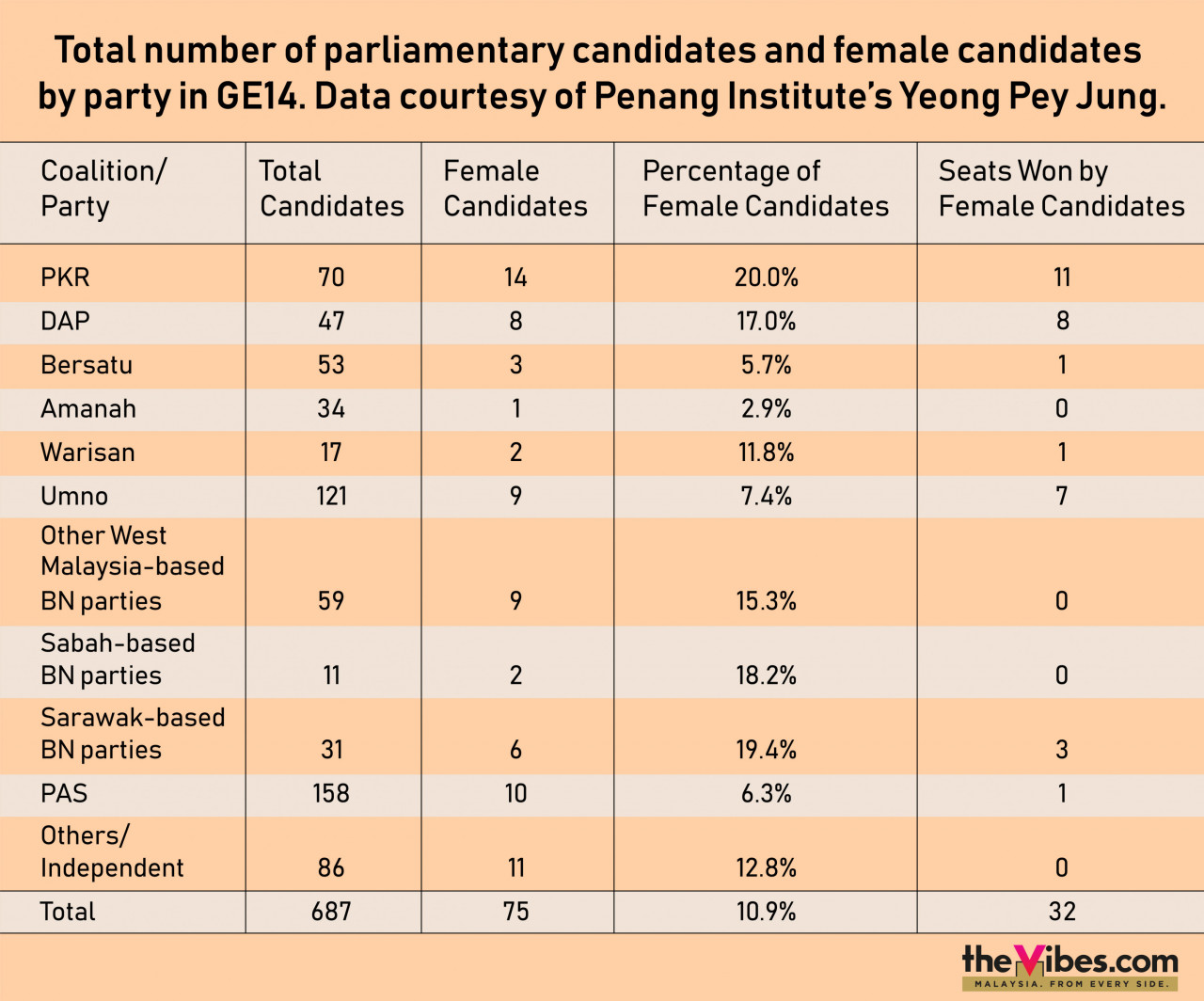
In fact, only a mere 75 out of 687 hopefuls – or 10.9% – contesting for parliamentary seats in the 14th general election (GE14) in 2018 were women.
Intriguingly, the four parties with the worst percentage of female candidacies in GE14 are all Malay-based outfits, according to a research paper by Penang Institute research projects adviser Yeong Pey Jung titled “How Women Matter: Gender Representation in Malaysia’s GE14 Election” published in 2018.
PAS and Umno – despite contesting the most federal seats in the last national polls, with 158 and 121, respectively – had only 10 and nine women candidates (6.3% and 7.4%) in GE14.
Bersatu placed three women candidates, constituting 5.7%, out of 53, while Amanah had only one (2.9%) out of 34.
Despite these rather bleak figures, the results of GE14 certainly make for fascinating reading.
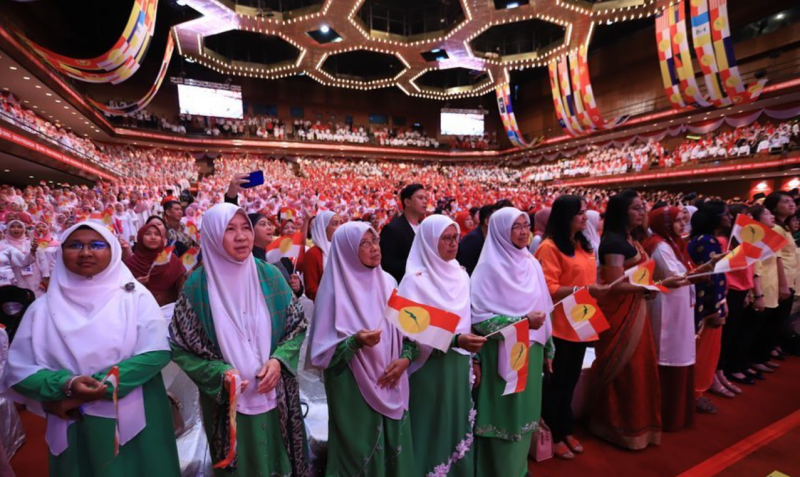
Overall, 32 (42.7%) of the 75 women who took part in the polls won their seats, while in constituencies with mixed-gender contests – where at least one woman and one man vied for a seat – women won 50% of them.
Currently, there are 33 women MPs after DAP’s Vivian Wong won the Sandakan by-election in May 2019.
Yeong told The Vibes that this proves that women’s electability is equal to that of men, and that there is no concrete evidence to show that gender influences voting patterns.
“I think winnability is an excuse for political parties not to place women. But in my opinion, this is not a valid reason.”
If this is indeed the case, then why exactly are more women not being picked by their respective parties?
Patriarchal culture, male-dominated parties to blame
Yeong and Bersih 2.0 chairman Thomas Fann said the main factors hindering more women candidates are cultural biases and stereotypes, as well as having men dominate decision-making positions in political parties.
According to Yeong, the stereotypes of women being emotional, easily influenced and indecisive, and the socio-cultural norm of a woman’s place being “at home”, have unfairly rendered them as unsuitable for public life.
“More importantly, entrenched patriarchy in political parties is a major barrier. Political parties play a huge role, and it is their responsibility to promote and place women as candidates.
“The lack of female party gatekeepers and women in the parties’ main and central committees is an impediment to more women as candidates.”
Fann similarly cited male-dominated political parties as the reason not many women are chosen to contest and that bias, not merit, is the reason barriers are erected within parties to hold back women.
He claimed that one such barrier is the setting up of women and youth wings, which, he said, must be abolished to allow all members, regardless of gender and age, to compete for party positions.
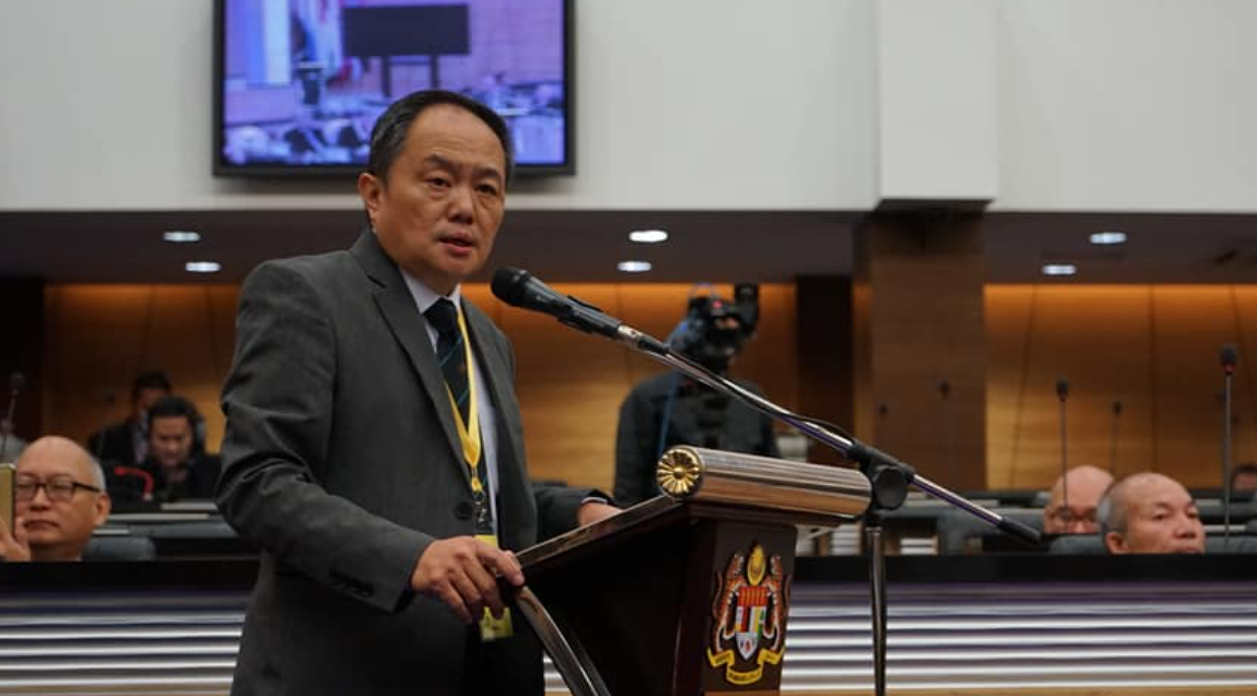
Fann said unless there is a conscious and active effort to promote women participation by the parties, the only way to ensure higher representation is to consider legal compulsion through electoral system change or legal requirements.
“A proportional representation system will provide such a mechanism, where it can be mandated that there must be 30% or more women representation.”
Historically left behind, women unlikely to be picked
Institute for Democracy and Economic Affairs democracy and governance unit manager Aira Azhari said women are typically left out as political parties tend to go for candidates who are incumbents, popular and have positions.
“If you haven’t contested in a particular constituency before, it is not likely that you will be nominated there.
“These barriers make it difficult for any new face to be nominated at all, let alone women who have historically been left behind in public life.”
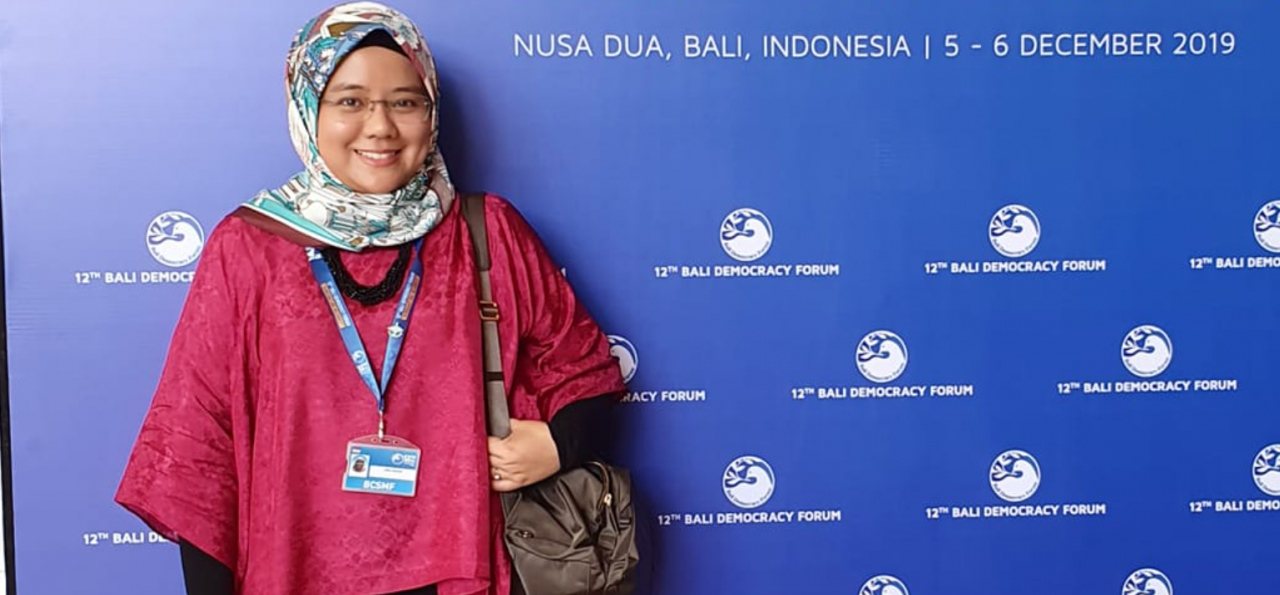
Aira said since candidate selections are usually top-down, even the most talented person in the constituency risks being overlooked, with those in top echelons more likely to pick members who are in their good books.
She added that gender-stereotyping, and the patriarchal and misogynistic culture of politics, have naturally deterred women from getting involved, contributing to their low participation in frontline politics.
“Attitudes and culture must change before anything else. A change in the electoral system, where a party list system is introduced, can also help, as parties can then include women in their list without worrying about constituencies.” – The Vibes, March 8, 2021