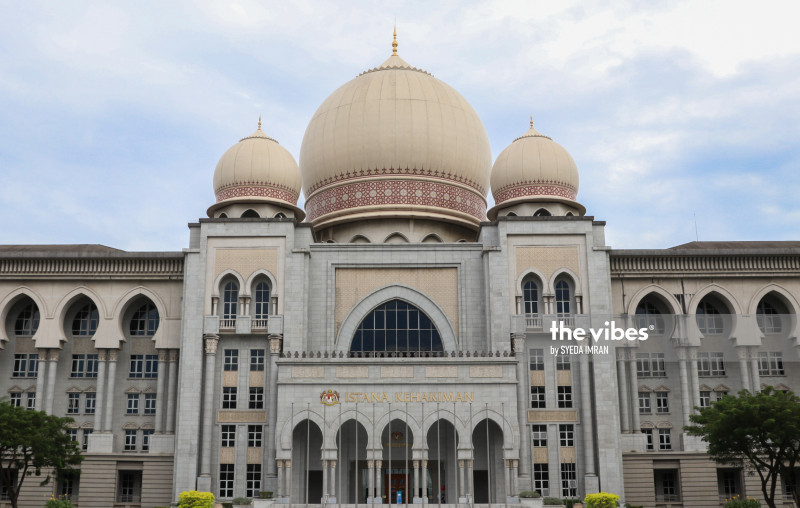
PUTRAJAYA – The Federal Court in a 5-2 majority decision yesterday ruled that the National Security Council Act 2016 (NSCA) is a valid and constitutional law.
All seven judges of the top court made the ruling to answer legal questions on the constitutionality of NSCA raised by PKR president Datuk Seri Anwar Ibrahim with regard to his originating summons to challenge the constitutionality of the said act filed at the Kuala Lumpur High Court.
The high court previously allowed Anwar’s application under Section 84 of the Courts of Judicature Act 1964 to refer the matter to the Federal Court for the determination of four constitutional questions.
The majority decision was read by justice Datuk Zaleha Yusof. The other members of the bench who concurred with her were justices Datuk Zabariah Mohd Yusof, Datuk Seri Hasnah Mohammed Hashim, Datuk Mary Lim Thiam Suan and Datuk Rhodzariah Bujang.

Zaleha said NSCA is valid as it does not run afoul of the federal constitution and national security policy, among others, and it does not indicate that NSCA is meant to be a law against subversion.
“Clearly, it is meant to include the protection and safety of the people against situations of disaster, like floods and earthquakes, and other situations, like the current Covid-19 pandemic. The court cannot turn a blind eye, but must instead take judicial notice of the magnitude and effects of the pandemic, all of which remain real and affect the security of this nation.
“Surely, it cannot be suggested for a single moment that Covid-19 is due to the actions or threatened actions of subversion, organised violence and crime prejudicial to the public caused by a substantial body of persons, whether inside or outside the Federation. There is no evidence coming anywhere near close to the trigger in Article 149 of the constitution, and the court must not engage in speculation,” she said when delivering the decision via Zoom.
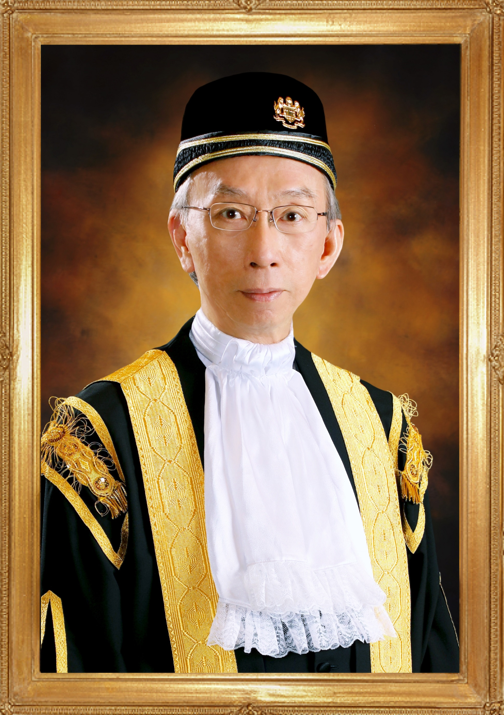
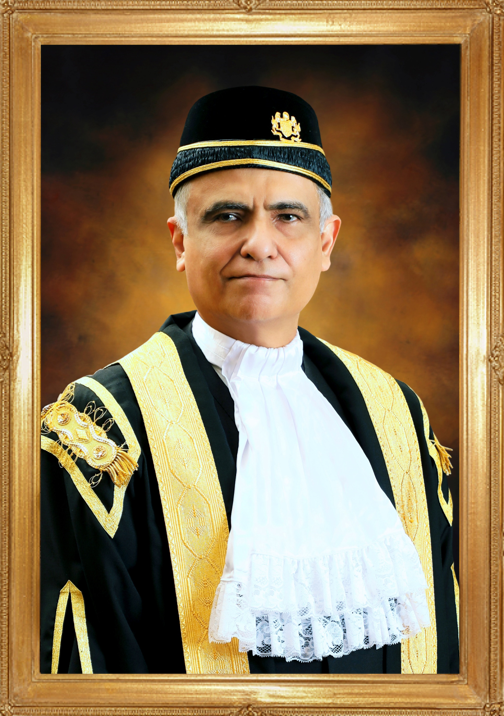
Justices Datuk Vernon Ong Lam Kiat and Datuk Harmindar Singh Dhaliwal held the dissenting opinion that NSCA is unconstitutional and invalid, as it is a law dealing with national security and public order that could potentially affect a person’s fundamental right to liberty, freedom of movement, freedom of speech, freedom of assembly and association, and property.
Ong said the court is driven to the conclusion that NSCA is a security law equipped with sweeping emergency-like powers that transgress all of the four fundamental rights specifically permitted under Article 149.
“As such, NSCA belongs to the class of subject matter of legislation that comes within the ambit of Article 149 of the constitution. Accordingly, I will allow the appeal.”
The judge remitted the case to the high court for disposal in accordance with the ruling and law.
The Federal Court reheard Anwar’s legal questions as on September 10 last year, it allowed his review application to set aside a majority decision on February 11 that declined to answer his constitutional questions on the validity of NSCA.
On February 11 last year, the court, in a 5-2 majority verdict, declined to answer the constitutional questions raised by Anwar on NSCA, and held that it was not shown that the existence of the act had interfered with his personal life.
Anwar subsequently filed an application to review the decision, to which the court, on September 10, allowed his request to set aside the majority ruling and ordered the case to be reheard at the apex court.
Anwar filed the originating summons in 2016 to challenge the constitutionality of NSCA, claiming that its implementation is unconstitutional. He named NSC and the government as defendants.
Senior federal counsel Suzana Atan and S. Narkunavathy appeared for NSC and the government, while Datuk Seri Gopal Sri Ram and J. Leela represented Anwar. – Bernama, August 7, 2021









.jpg)