


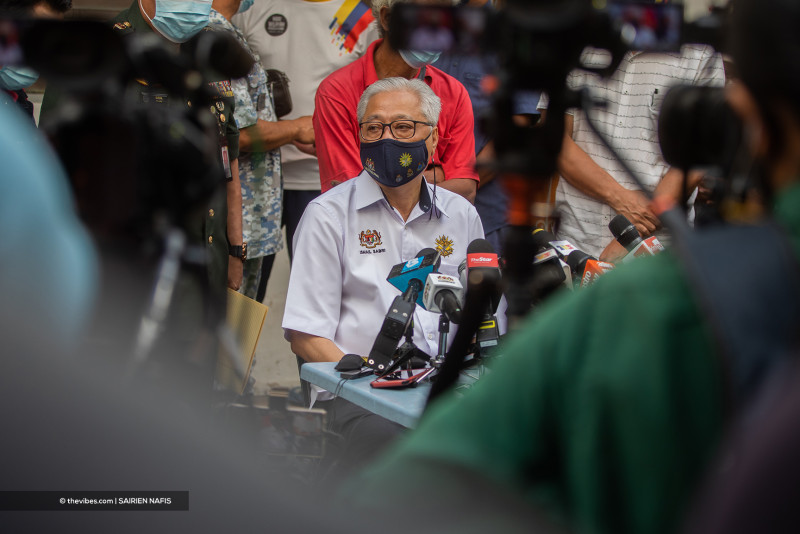

KUALA LUMPUR – Ask any Malaysian two months ago who they predict to replace Tan Sri Muhyiddin Yassin as the prime minister should he resign, chances are Datuk Seri Ismail Sabri Yaakob would not have made it on any lists.
Household political names like Datuk Seri Anwar Ibrahim, Tun Dr Mahathir Mohamad, Datuk Seri Ahmad Zahid Hamidi and even Tan Sri Tengku Razaleigh Tengku Hamzah would have been more likely to appear on people’s tongues as candidate to take over the top post.
Even by seniority alone, Ismail Sabri would not have been his party’s pick; Umno secretary-general Datuk Seri Ahmad Maslan said as much.
However, as circumstances would have it, Ismail Sabri will now be sworn in as the country’s ninth prime minister tomorrow – and will perhaps be the most controversial one to date.
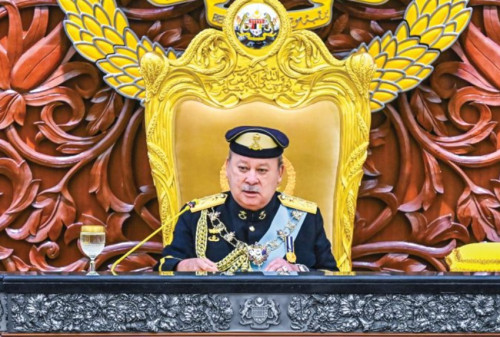
His selection was announced by Istana Negara late this afternoon following a meeting of the Conference of Rulers.
The Bera MP’s appointment comes following Muhyiddin’s resignation as the head of the scandal-hit Perikatan Nasional (PN) government that Ismail Sabri served as deputy prime minister.
Like his immediate predecessor, the Umno vice-president was also not mandated by the rakyat in a general election to lead the nation.
And barring some tweaks, Ismail Sabri is expected to lead a largely familiar cabinet line-up as the country bids to overcome the Covid-19 pandemic and its economic fallout, which were the main sore points that saw PN fall out of public favour.
Missteps and strengths
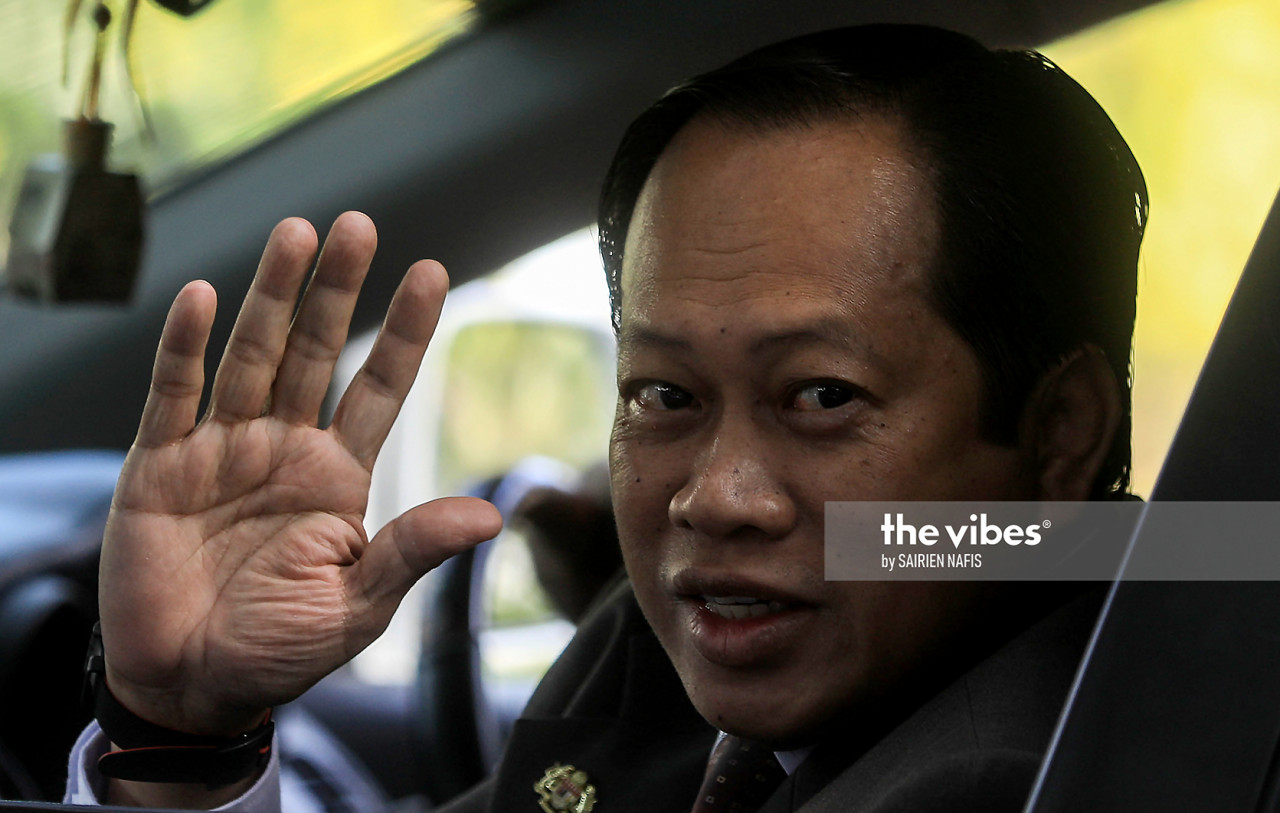
While not as polarising a figure as Datuk Seri Mohamed Azmin Ali, Ismail Sabri has had his fair share of critics, particularly over his role as the face of the government’s Covid-19 fight – he was a senior minister in charge of handling non-health pandemic matters before his promotion last month.
He was condemned and ridiculed as a racist over his initiative to introduce a digital mall solely for Bumiputera traders in 2015, during his time as rural and regional development minister.
In his short 17-month stint in the PN government, Ismail Sabri will perhaps be most remembered for his announcement last year during the Sabah state election that those returning to the peninsula need not undergo quarantine.
Arguably, that was the start of the country losing the battle against the health crisis, as new infections and deaths continued to soar up till this day.
But his supporters will argue that the Umno man will bring with him much stability to the government that was rocked by infighting under the leadership of Muhyiddin, besides having a clear record as far as criminal cases are concerned.
He is now seen as the bridge between his party and Bersatu, the two main political entities in the new government, a role that PAS promised to play but failed miserably in achieving.
Being a loyalist, the 61-year senior politician is also known not to be one to abandon ship when the chips are down. His decision to remain in the government when Umno withdrew its backing last month, putting his political career on the line, is strong evidence of this, although some will argue that this was done with the sole purpose of staying in power.
Quiet and inconspicuous rise
Ismail Sabri’s rise to prominence and the premiership, however, has been a slow and unexpected one.
He began his political career in 1987 when he was appointed a committee member of the Temerloh Umno division at the age of 27, before becoming the division’s information chief (1988), youth head (1993) and deputy chief (2001), before himself heading the division in 2004.
In the same year, he contested and won the Bera parliamentary seat, and has successfully defended his hold on the constituency in every election since.
He also assumed the minister’s seat in an impressive array of portfolios in the past. He was minister of youth and sports (2008); of domestic trade, cooperatives and consumerism (2009); of agriculture and agro-based industries (2013); and rural and regional development (2015), before Barisan Nasional (BN) lost federal power in 2018.
A series of favourable events would later play a big part in propelling Ismail Sabri to higher positions within the party and the government.
When the BN government was defeated in May 2018, then Umno president Datuk Seri Najib Razak quit his party position, pushing his deputy Zahid to assume the top job in the party. Ismail Sabri later became acting deputy president for about six months.
Later still, he became the opposition leader in Parliament until his party joined PN to form the new government in March 2020.
With Najib and Zahid entangled in court cases, and party deputy president Datuk Seri Mohamad Hasan not part of the Dewan Rakyat, Ismail Sabri became the next most senior member of Umno to be given a senior ministerial position in Muhyiddin’s cabinet.
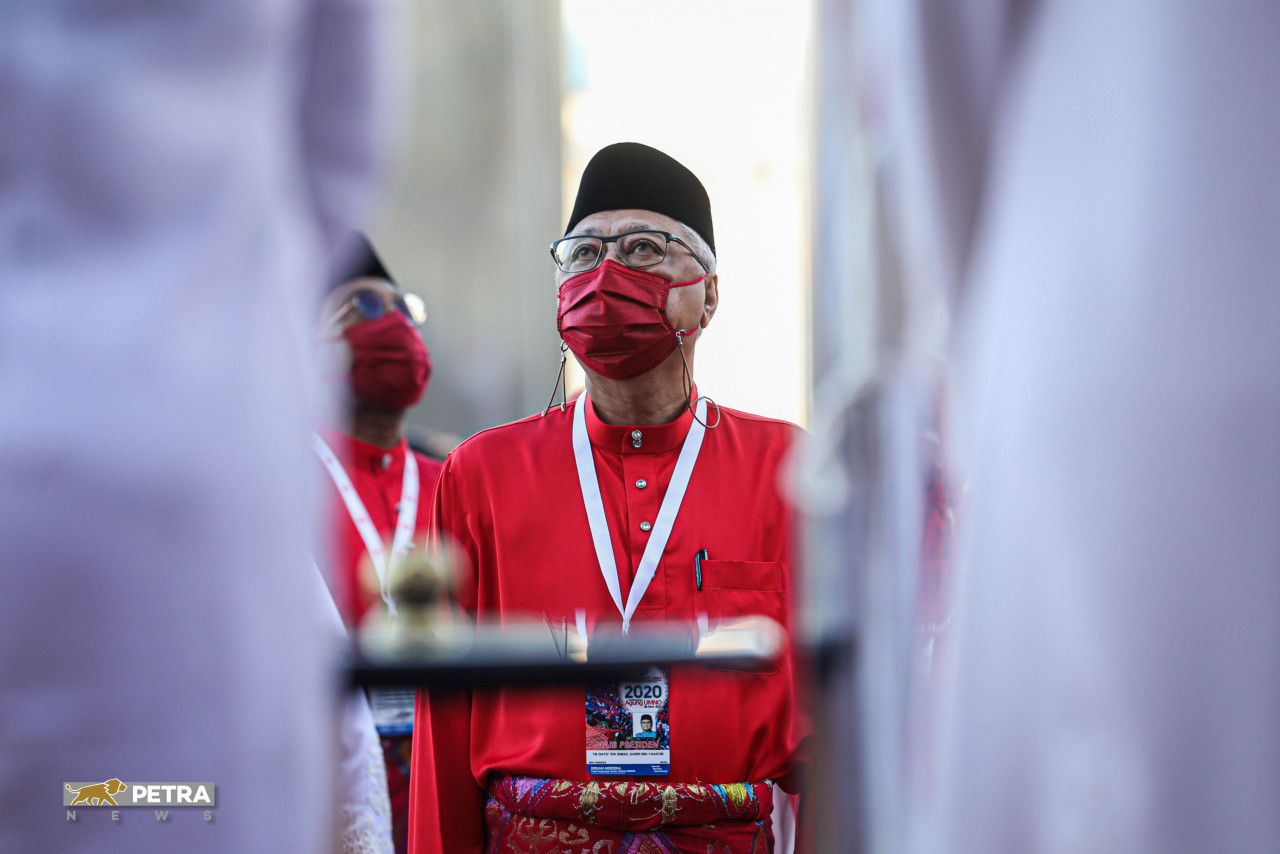
And finally, his promotion to deputy prime minister on July 7 – albeit for just six weeks until the whole cabinet resigned on August 16 – was arguably made due to desperation by Muhyiddin to retain power, amid Umno’s decision to withdraw support from him to lead the government.
Whether Ismail Sabri is the right man to take Malaysia out of troubled waters remains to be seen. He may appear to lack the charisma, authority and leadership quality of his predecessors, which certainly raises doubts.
But if he can steer the country back to the right track in the battle against the pandemic, Ismail Sabri will certainly be given credit, although many would point out that the majority of the hard work was done under Muhyiddin's leadership.
Regardless, his appointment is set to start a debate – if you are an ardent supporter of Ismail Sabri, his appointment will certainly come as good news, but if you are a staunch critic, a consoling point is that he will only hold the post temporarily until a fresh election is held.
Until then, Malaysia can only hope that Ismail Sabri helps steady the boat, or at the very least, put in a performance better than that played by Muhyiddin. He will then have from now until the next election to cement his legacy. – The Vibes, August 20, 2021









.jpeg)
