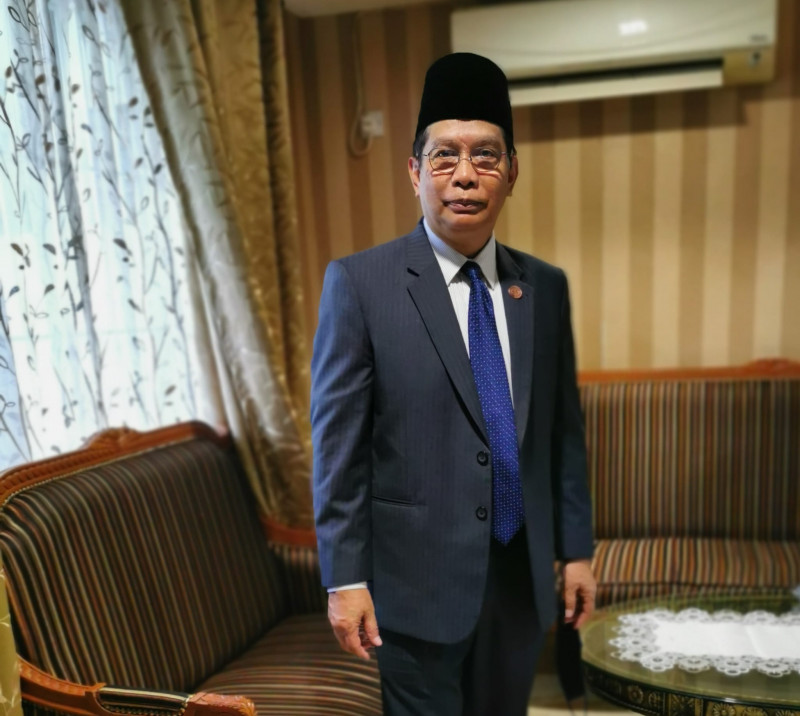
KUALA LUMPUR – In light of Indonesia’s decision to move its capital from Jakarta to Kalimantan in 2024, a political observer is upbeat about the beneficial impact it will have on the economy of neighbouring Sarawak.
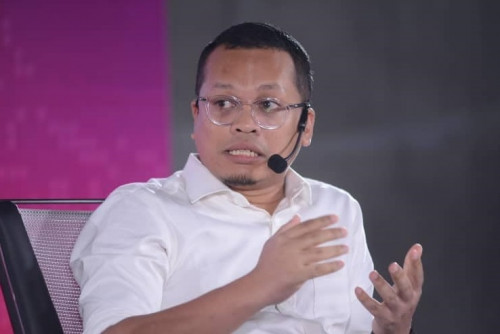
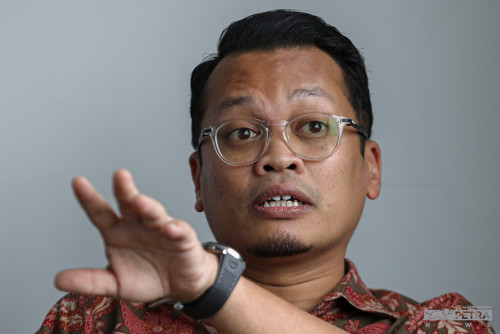
Datuk Mohamad Marzuki Mohamad Omar believes that the move will provide employment opportunities for Sarawakians as there are now insufficient jobs for the state’s inhabitants, including the 3,000 to 10,000 new graduates emerging every year.
“When the capital of Indonesia moves to Kalimantan, it will be good for Sarawak as we are able to send our people to work there.
“Besides job opportunities for professionals, it also caters to employment for the labour sector,” he told The Vibes.
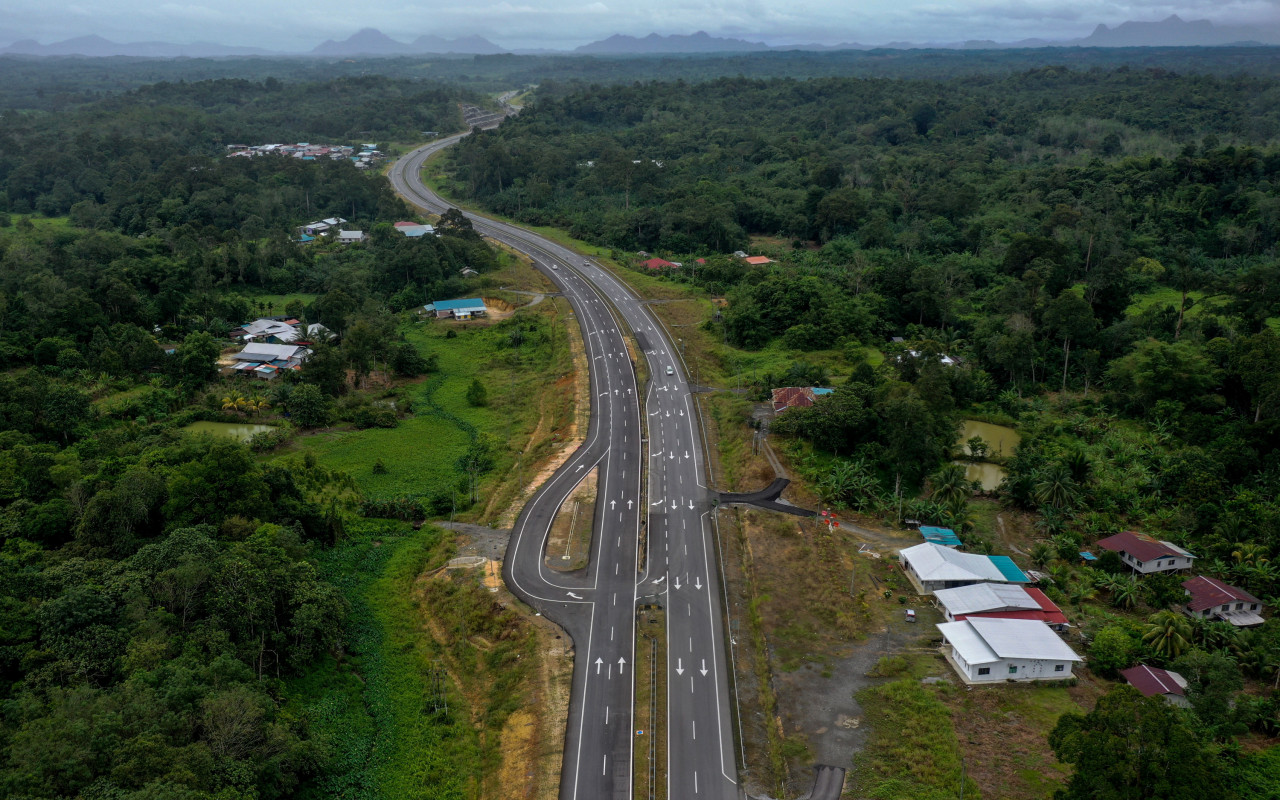
He also believes that the Pan-Borneo Highway now under construction will help by facilitating the export of goods such as water, energy, minerals, coal, and oil, unleashing positive spillover effects on various sectors, thus resulting in greater prosperity for Malaysia.
Indonesia is the third Southeast Asian country in recent times to build a new capital city, after Malaysia (Putrajaya built in 1999) and Myanmar (Naypyidaw in 2012).
Referring to the Sarawak election on Saturday, Marzuki emphasised that Sarawak must leave a lucrative legacy for future generations.
The ruling Gabungan Parti Sarawak (GPS) has announced a 34-point manifesto. If Sarawak can achieve 50% of it, Marzuki said, he believes the state will become developed by 2030.
“This manifesto is not idealistic as they are not above the seven heavens – they are pragmatic, practical, and achievable,” he said, adding that Sarawak needs dynamic and articulate leadership.
As for the cries of “Sarawak for Sarawakians”, they are totally far from calling for Sarawak’s independence, he stressed.
“The current GPS is subscribing to this anatomy. Unfortunately, some people wanted to be politically blunt.
“However, constitutionally and legally, it is impossible because there is no particular race in Sarawak that has a majority; unlike in Selangor or Johor where Malay-Muslim citizens form the majority.
“Over here (Sarawak), the majority of the citizens are of various races. Hence, one-third does not represent the majority – the Chinese community represents one-third, so do the Muslims.
“Then we are also compounded by intermarriages. Evidently, it is not an easy solution if Sarawak wants independence!” he said.
However, Marzuki pointed those who are still bent on gaining Sarawak’s independence on the serious issues that need to be taken into consideration.
He noted that important seats such as those of the chief minister, inspector-general of police, and commander-in-chief are not trifling matters due to the composition of the different tribes.
As romantic and beautiful as it may sound, for Marzuki, it is currently not practical as he strongly believes Sarawak should be taking care of its own wealth instead.
“As of now, slowly but surely, we are getting back part of our oil rights,” he said. “Besides forming our own Sarawak oil companies, we also have our own banks. So, it is best if we leave the rest of the agencies to the federal government.
“I strongly believe if we manage effectively, we can become a synergistic state.
“A smart partnership between (the) federal (government) and the state is how we should administer, rather than being on our own,” he said.
As for the Malaysia Agreement 1963 being fulfilled to return equal status to Sabah and Sarawak, he reiterated that Sarawak lost track and instead became a state federal territory.
“We are asking for the federal government to give us back the sovereignty of Sarawak. It is not like we never had it before – we did, so return it back to us,” he said.
“We want to become the beacon of Malaysia transmitting ‘nur’ (light); however, we must start from somewhere,” he said. – The Vibes, December 15, 2021