
KUALA LUMPUR – Flood victims need more than just a helping hand, as the recent floods that wreaked havoc throughout the country have left many scrambling to rebuild their homes and their lives.
It is during this time that the mental health of flood victims, especially children, is usually overlooked.
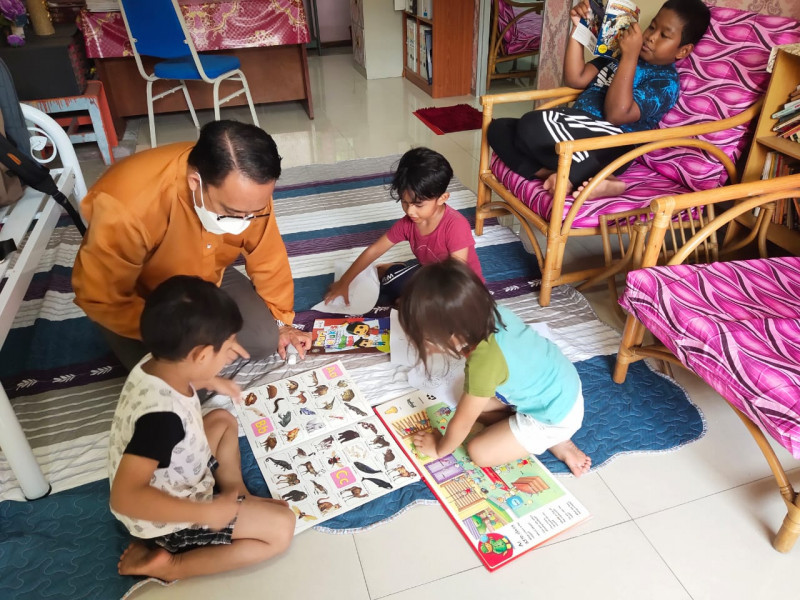
“We were all concerned about the safety and mental well-being of children who had lost their favourite toys and books, as well as colouring books and pencils, in the floods. It is obvious upon observation that they were traumatised,” said Toy Libraries Malaysia chief play advocate Datin P.H. Wong.
Toy Libraries Malaysia and 14 other non-government organisations have started a public appeal online for toys and books to fill child-friendly spaces (CFS) set up in the relief centres, so when the floods recede, children will have toys and other play materials to take home.
Toy Libraries Malaysia is a non-profit association established in 2017 for educators, parents, toy librarians, corporates, institutions, and toy libraries in Malaysia.
The group believes in the benefits of play and the value of toy libraries in building healthy communities and sharing resources under its platform.
Elaborating on the mental state of children who fell victim to the floods, Wong said child-friendly spaces should be made compulsory at all relief centres for better disaster risk management.
“I also feel children bear the brunt of pain during these difficult times and sometimes are forgotten victims, as parents and caregivers struggle with their own personal losses and become engrossed in cleaning and salvaging their belongings.
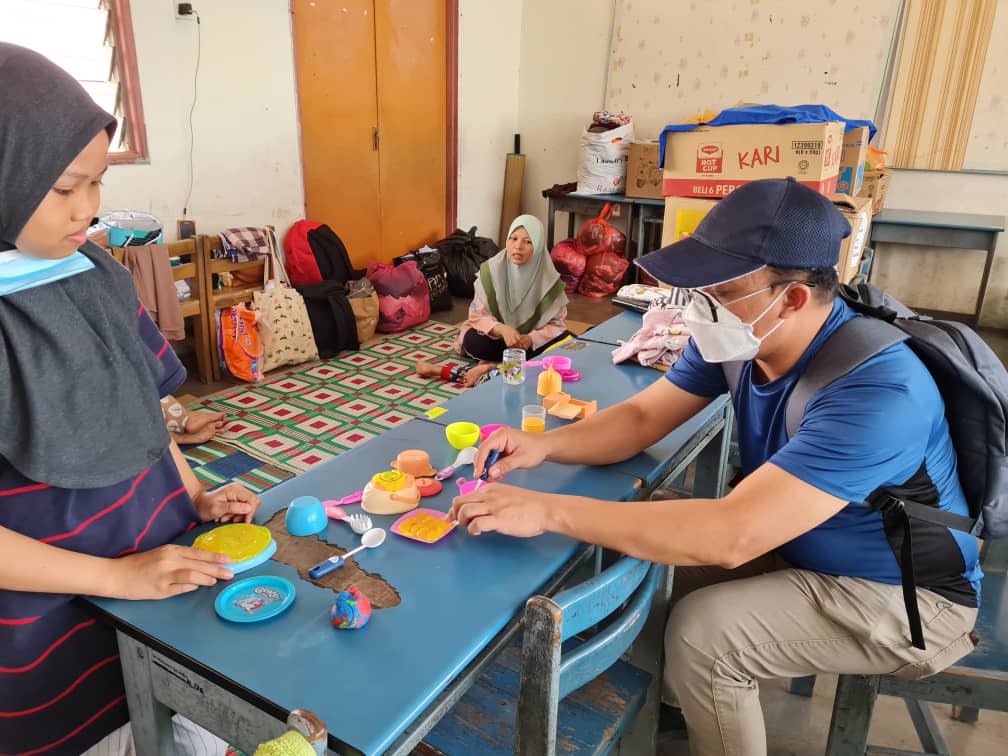
“It is only through engaging with the children that our CFS teams can identify children who need psychological first aid, or PFA,” said Wong.
Wong added that more than 300 children have been affected by the floods and it is important to establish protocols for the next disaster to shield them from pain and trauma, such as with pre-loved toys and materials, so they can return to normalcy.
Similar sentiments were echoed by Dr Abdul Rahman Ahmad Badayai, who is currently consultant developmental psychologist and senior lecturer at the faculty of social sciences and humanities of Universiti Kebangsaan Malaysia.
“Most survivors, including children display normal reactions: sadness, worry, confusion, and sometimes anger.
“Some children express their emotions in a skewed manner, with regressive behaviour, where younger children show more aggression than older children.
“Symptoms like flashbacks, nightmares, and even severe anxiety as well as uncontrollable thoughts about the disaster may come back to haunt the children.
“We did PFA for children and child-friendly activities to reduce the level of distress for the children and to overcome any post-stress traumatic disorder that may affect them in the future,” said Dr Rahman.
Dr Rahman believes the children did benefit, judging from their responses, smiles and active engagement during the play.
“It should be made mandatory to have PFA and CFS at relief centres during disasters as a first crisis or emergency response.
“This should continue with psychological support by well-trained providers, which we need to improve on in terms of coordination between agencies,” added Dr Rahman.
Dr Nik Raihan Mohammed, a paediatric doctor specialising in early childhood mental health and current vice-president of Toy Libraries Malaysia, said children at the relief centres showed acute distress with regard to the disaster.
“It was day seven in flood-stricken areas, and they were housed at relief centres that they had (navigated to) in the dark of night, walking in the water to move to safer locations.
“The children were scared to join us at first, but they later did. They kept saying the adults were scolding and screaming at them.
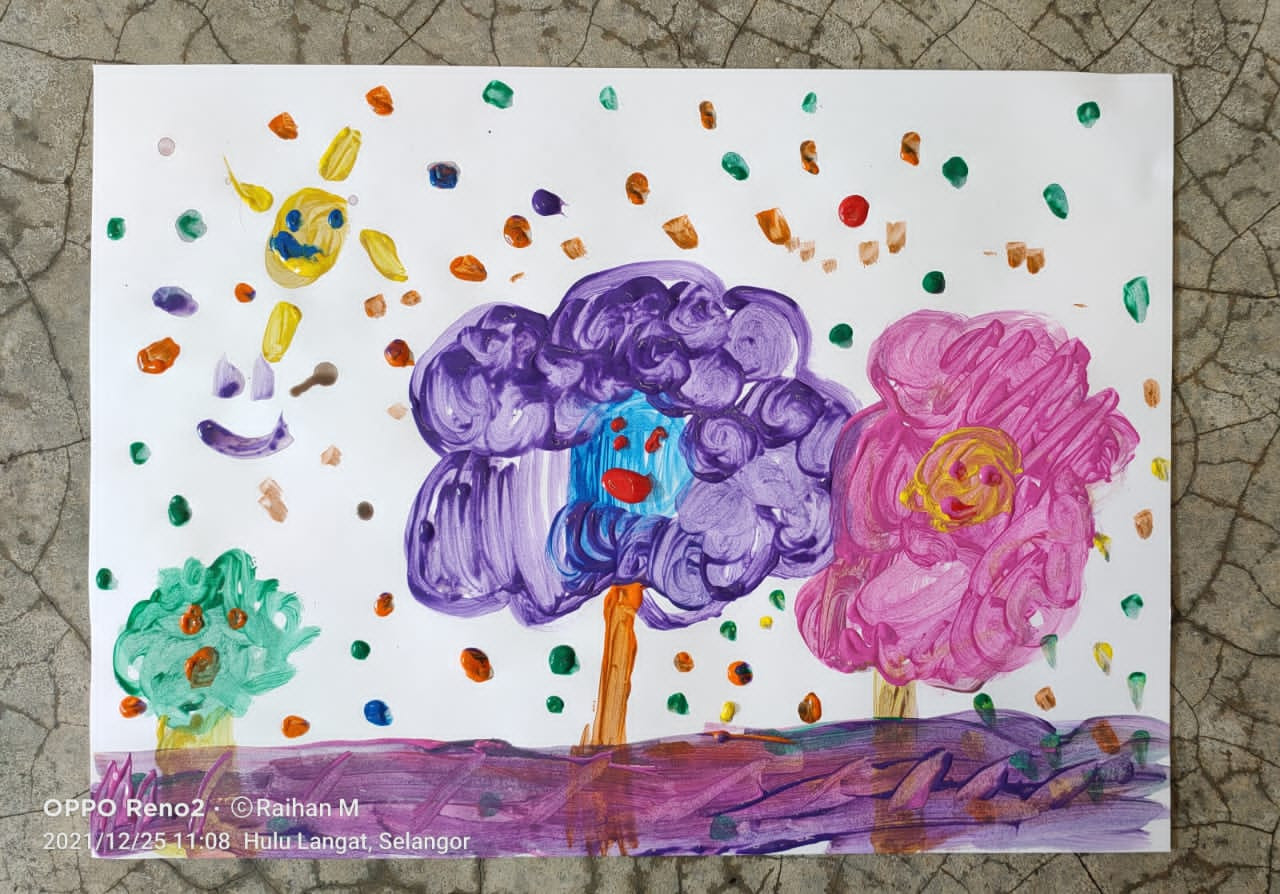
“A little girl whom we offered paper to started painting. At first, she painted trees and the sun with a smiley face, but they were then replaced with raindrops and floodwater.
“Suddenly, the smiley faces disappeared and were replaced with shocked, sad faces. It was indeed descriptive and mind-blowing to us.
“On day two of engaging with us, she smiled more and interacted with the other children. And on day three, she played well and requested a unicorn soft toy, and looked more relaxed but still anxious.
“Another example of a successful engagement was a 10-year-old girl who initially showed regression as she could not identify her siblings and spoke rapidly, repeating the same sentences.
“By day three, she was able to speak clearly, and correctly identify her siblings and what had occurred during the floods.
“We concluded that playing and having toys helped the children express their feelings, acknowledge their distress, and in the end helped them heal,” said Dr Raihan.
Azlinda Aton, a resident of Kg Bunga, Batu Tiga, volunteered to help the children engage in the Toy Library, even though her own house was flooded.
Fortunately, she could remain in her house and help the children in her area spend time playing with donated toys and painting materials.
“The children spent time away from adults, who themselves are distraught over their losses. This was a key factor in helping (the kids) adjust to the situation,” she said. – The Vibes, January 18, 2022









.JPG)