


KUCHING – The long-prevailing issue of statelessness among Sarawakians who lack proper identification documents has raised the ire of several activists here.
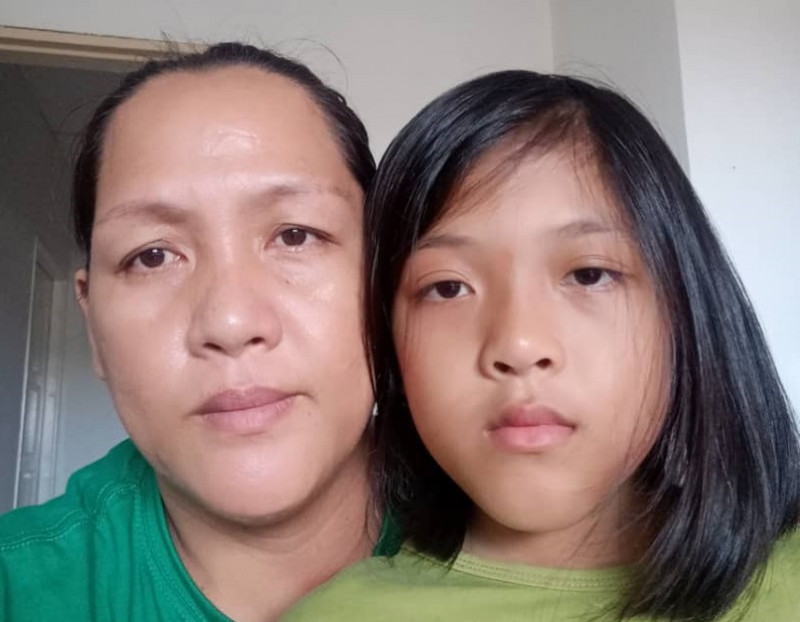
The latest case involves 9-year-old schoolgirl, Jeanny Lianna Ating, from Lawas.
She was unable to attend school after the Education Ministry informed her mother Ruran Lukas, 40, via text message that Jeanny was barred from continuing her education at SK Long Sebangang due to her citizenship status.
Speaking to The Vibes, social activist Agnes Padan, who is assisting Jeanny and her parents, said those affected by the issue of statelessness were not only schoolchildren but former border scouts that had fought during independence.
“The former border scouts who had once defended the state and the country are now in their 80s, and are still being denied citizenship although they were born in Sarawak.
“Some of these border scouts have sadly passed on as stateless Sarawakians,” she said.
Having dealt with such cases for decades, Padan described the authorities’ decision to deny Jeanny from schooling as a violation of human rights.
“Jeanny loves to go to school and both mother and daughter are aware of the need for good education,” she said.
While reaching out to assist Jeanny, Padan recalled the previous case of another schoolgirl, Regina Labo, who is in the same boat as Jeanny.
“Regina’s problem is yet to be resolved fully. Though she is going to school today, she is burdened with hefty school fees as she is regarded as a non-citizen,” she said.
“As for Jeanny, she completed Primary 1 in 2020. She attended Primary 2 for just two months last year when her mother received a text message saying Jeanny would no longer be allowed to go to school.”
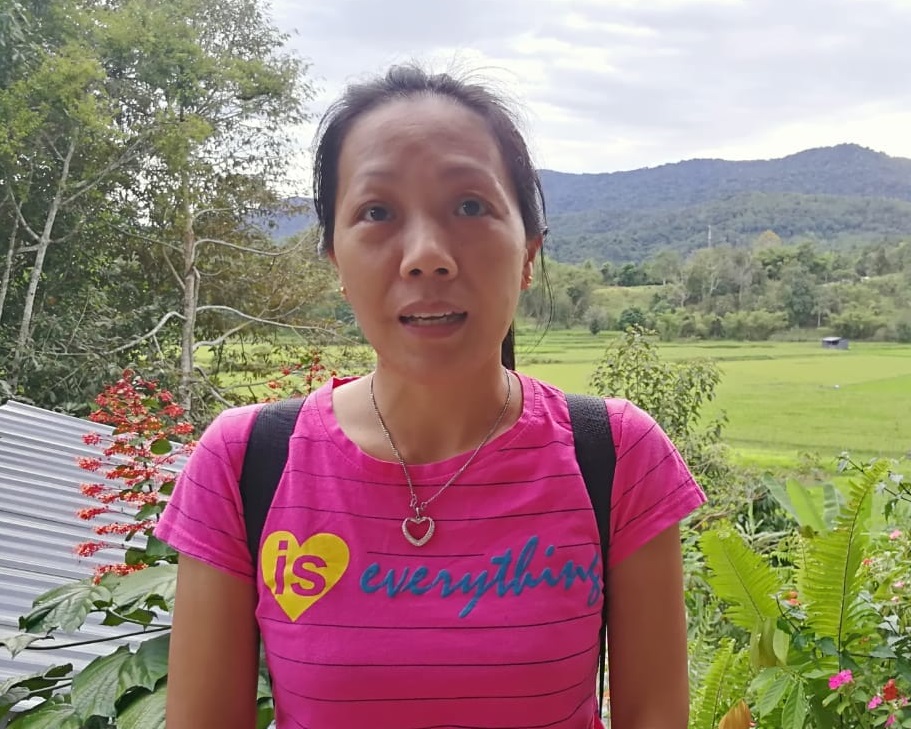
According to Padan, Jeanny’s parents were also called to the school only to be told by the headmistress that their daughter can no longer continue her schooling because of her non-citizenship status.
“Jeanny’s father Ating Agong, 55, however, is a citizen but his wife is listed as ‘Indonesian’, although she was born in the Lawas district hospital, the same hospital where Jeanny was born.
“This came about because in the birth documents of both of Ruran’s parents it was stated as ‘tiada maklumat’ (no information) in the column for citizenship status.
“Ating and Ruran have six children but only their last child has been accorded Malaysian citizenship.”
The couple who married in 2004 according to the “Lun Bawang adat” (customary marriage) had only registered their wedding officially with the National Registration Department in 2016.
“This complicated matters further for the siblings,” she said.
According to Padan, the couple’s four older children from Ruran’s previous marriage studied until Form 3, but were not allowed to sit for their PMR examinations as their birth certificate status reads as “bukan warganegara” (non-citizens) and “belum ditentukan” (unverified).
This is despite the four children being born at Marudi Hospital in Sarawak.
“Ruran’s ex-husband is from Ulu Baram but she is not sure of his citizenship status as well.”
As such, Padan is calling on Prime Minister Ismail Sabri Yaakob to reach out and solve the issue of Sarawak’s stateless school-going children in the same “charitable spirit” he had solving the stateless woes of Rohana Abdullah who was abandoned by her Indonesian mother.
“In the spirit of Keluarga Malaysia, I am appealing to our prime minister to help resolve the problem of hundreds of Sarawakians who are stateless and being denied the basic rights that must be accorded to citizens of the land,” she appealed.
Long-haul suffering for the stateless
Sarawakian human rights defenders Peter John Jaban and Bill Jugah, who like Padan have been advocating the issue of statelessness for decades, are once again calling for an administrative overhaul for citizenship approval in Sarawak following Jeanny’s case.
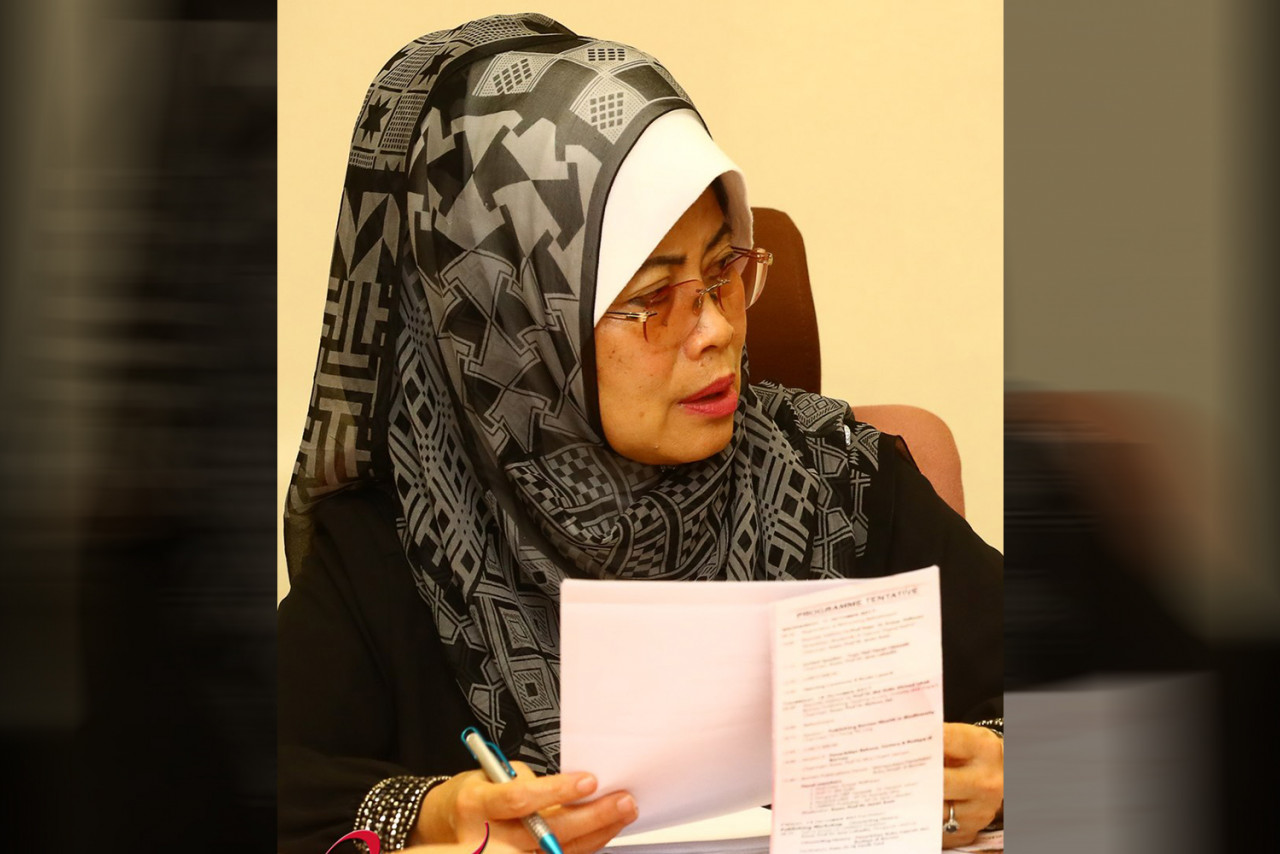
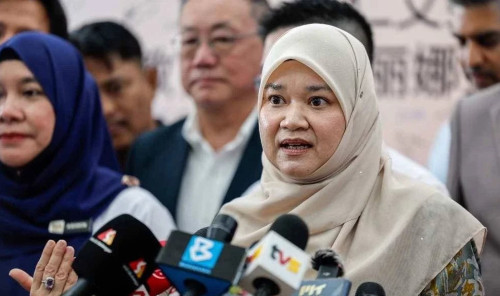
Jaban, who is also a member of the Global Human Rights Federation, echoed the sentiment of state Women, Childhood and Community Wellbeing Development Minister Datuk Seri Fatimah Abdullah, who had reportedly weighed in on Jeanny’s citizenship woes.
Fatimah had told the Borneo Post on Friday that the long wait for citizenship approval causes great suffering for applicants because they are denied their rights to education.
“Denying citizenship to Sarawakians is also a great loss for the state in terms of human potential,” Jaban said.
“With Sarawak’s regained status in the Federation, it is high time the state demands full autonomy over its administrative requirements for citizenship, to better reflect the local context, and to put an end to this misery once and for all.
“I am deeply disappointed that this remains a problem in Sarawak or indeed in Malaysia.
“I have been campaigning on this particular issue for a decade and many activists and civil society groups have been calling for change for many years.
“This is not to mention the efforts made by Fatimah. Yet, the federal government remains deaf and dumb to our demands. It is time the issue was taken out of their hands and into our own.
“Citizenship is set by the federal constitution. The guiding principle is that every person born within Malaysia, who had at least one parent at the time of birth that was either a citizen or a permanent resident, should be given citizenship and all the rights it affords.
“This is a ‘statement of intent’ for our nation, for how we wish to include those born within our borders, and yet the National Registration Department (NRD) insists on doing everything in their power to exclude anyone who doesn’t quite fit their exact profile.
“Sarawak natives have been particularly hard hit by NRD’s administrative rigidity, particularly concerning registrations of marriage as a prerequisite, but this inflexibility, or frankly lack of understanding of the local context, has impacted all Sarawak communities and many Sarawak citizens.”
“We have seen so many cases come across our desk of the effect of NRD’s inappropriate policies,” he said.
Jaban also recalled the case involving the “Rainbow Family”, where seven siblings have the full range of identity cards: blue, green, and red.
“This case has been going on for so long that both the father, who was a former border scout, and the mother, have died in the interim.
“Even worse, one of the siblings passed away during the pandemic with no resolution to his status,” Jaban said.
As such, Jaban called on new Sarawak Premier Tan Sri Abang Johari Openg to put his foot down.
“It is time to bring the approval process back to the state,” he said.
Sarawak NRD being Putrajaya’s office boy ?
Meanwhile, Jugah, who is also the founder and chief visionary officer for the newly formed Independent Council Of Natives (Icon), said the reasons behind stateless people in Sarawak also exemplify the roots of the problems in NRD’s procedures.
“NRD needs to overhaul its policies in the state in order to recognise the stateless situation of many natives.
“Otherwise, just give Sarawak full autonomy over NRD. Currently, the role of Sarawak’s NRD director and staff is akin to an office boy, mail delivery service, or PowerPoint boy, where the process of approval for applications from Sarawak only comes from Putrajaya.
“Let us solve this issue of statelessness once and for all genuine Sarawakians without going through Putrajaya. The solution cannot be on a case-by-case basis.
“The government is actually on the winning side in this issue.
“We will be training our own local domestic manpower to cater to the growing needs of Sarawak; these are our future lawyers, teachers, engineers, and tycoons,” he said.
Jugah pointed out that the state’s banking industry would gain from the sudden influx of funds procured from savings accounts opened once those who are currently stateless obtain identification.
“The state’s EPF coffers could be replenished also because these categories of people can be accepted into the deduction scheme.
“There are countless benefits to the government,” he pointed out.
He also said citizenship rules set in Putrajaya that fail to take into account Sarawak's issues or understanding of the adat cannot be allowed to continue, as they have resulted in the denial of Sarawak natives’ nationality, healthcare, education, and even their rights to vote.
“We are now entering the third decade of the 21st century. With all the increased technology and access to the modern world, it is unthinkable that so many citizens should simply drop out of the system. It is unthinkable that these systems take so long to function.
“It is unthinkable that we should still be throwing away our children, born to Sarawakian natives. Our autonomy is worthless if it doesn’t work for us. It is time to think of a new way.
“We want the state government to take control of the registration of stateless people and even issue its own registration cards.
"If the government lacks the fortitude to establish its own identity card, Icon is willing to initiate this move even if it is seen as a sign of being recalcitrant or even rebellious" he added.
Stateless Sarawakians are welcomed to register here so that cases can be organised and recorded properly. – The Vibes, March 1, 2022






.jpeg)



.jpeg)
