
KUCHING – Sarawak’s attempt to become the second state in Malaysia to lower the voting age to 18 has hit a stumbling block, with an anomaly found in the related bill yesterday.
The Sarawak Constitution (Amendment) Ordinance 2020 Bill seeks to lower the minimum age at which one qualifies to run for an assembly seat, from 21 years old to 18.
However, it also controversially defines the status of “resident in the state” in accordance with Section 71 of the Immigration Act, effectively enabling non-Sarawakians to run in the state election.
State Speaker Mohd Asfia Awang Nassar deferred the bill to a new date after six assemblymen from both the ruling and opposition camps had a heated debate on the matter.
The bill was tabled by Sarawak Tourism, Arts and Culture Minister Abdul Karim Hamzah (GPS-Asajaya).
Section 71 stipulates that a Malaysian citizen is to be treated as “belonging to the East Malaysian state” if they have held the state’s permanent resident permit for two years.
Opposition leader Wong Soon Koh (PSB-Bawang Assan) said the amendment will make it easier for a non-Sarawakian to become a rep.
He described it as “an outright betrayal of the rights of the people of Sarawak”.
Datuk Idris Buang (GPS-Muara Tuang) called for the term “resident in the state” to be redefined, saying no “Tom, Dick and Harry” should be made an assemblyman in the state.
Some reps also said Sarawak should not become like Sabah, where parties from other parts of Malaysia have members in the state assembly.
Sabah became the first state to reduce the voting age to 18, in November last year. This came about five months after the Dewan Rakyat passed a bill to lower the eligible voting age to 18.
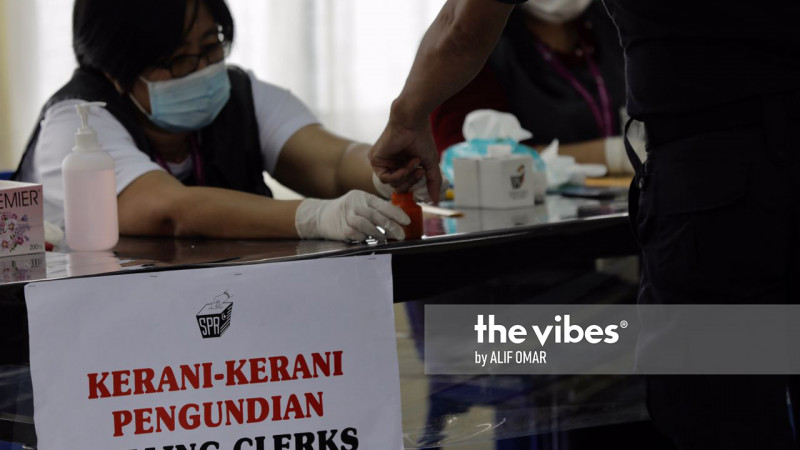
However, in June, the Election Commission said 18-year-olds cannot yet be enrolled as voters, in response to a popular drive on social media encouraging Malaysians over 18 to register.
Then EC chairman Datuk Azhar Azizan Harun had said the move would be carried out concurrently with the automatic voter registration scheme once all EC preparations were completed.
The said preparations include amendments to the Electoral (Voter Registration) Regulations 2002 and other relevant laws, as well as standard operating procedures, the provision of necessary systems and the implementation of infrastructure. – The Vibes, November 11, 2020









.jpeg)