

KOTA KINABALU – Shavez Cheema’s love for pangolins started nine years ago, when he was a university student.
Back in 2011, on a midnight drive home, he came across the scaly “lizard” for the first time.
“I stopped my car and took out a flashlight to find this ‘lizard’ – then, I saw it. It started to rain heavily, but I stayed for 15 minutes admiring this animal eating ants from a termite mound.
"I soon realised that I had just had my first ‘date’ with a pangolin.
“Little did I know that nine years later, I would be dedicating my life to protecting this animal, one that triggered my interest in wildlife conservation in Borneo.”
Shavez then set up 1StopBorneo Wildlife, and is now a dedicated researcher of mammals, herpetofauna and ficus in Sabah.
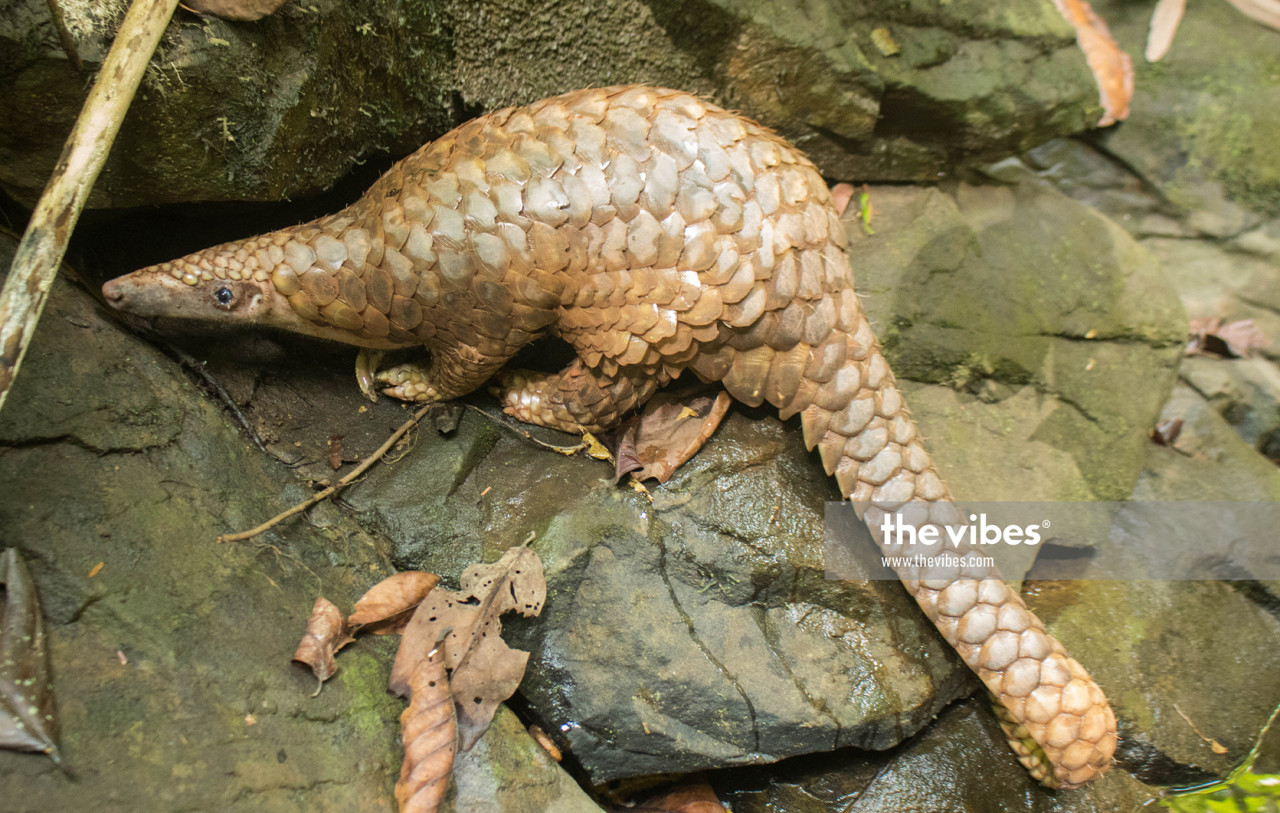
The Sunda pangolin is a scaly anteater native to all of Borneo.
Shavez said the species has been found in almost every terrestrial habitat one can imagine – from oil palm plantations, primary rainforests, disturbed and montane forests, and peat swamps to, quite frequently and shockingly to some, urban housing areas and towns.
The largest Sunda pangolin on record is 56cm long, and while they typically weigh between 4kg and 12kg, 1StopBorneo Wildlife has recorded 15kg and 16kg pangolins during its rescue operations in Borneo.
The species, which eats ants and termites, usually has only one baby, which often hangs on the back of its mother’s tail.
However, much remains a mystery about the creature.
Facing extinction
In 2015, The New York Times published articles describing pangolins as the most trafficked animal in the world.
There are eight species of pangolin – four each in Asia and sub-Saharan Africa – and all are threatened by poaching and habitat loss, and the risk of extinction.
There are an estimated 1,000 pangolins left in the wild in Sabah. However, Shavez said there is no evidence to confirm this, as conducting a population survey is very difficult.
The Sunda pangolin, the only species found in the state, is listed as critically endangered in the International Union for Conservation of Nature’s red list.
In 2018, the Sabah government classified the Sunda pangolin as a totally protected species, forbidding the hunting, consumption, possession or sale of the animal or its parts.
Maintaining soil pH levels
Why should we be worried that pangolins are under serious threat?
The most important reason is that pangolins are a major predator of ants and termites, aiding in the maintenance of a neutral soil pH level.
Describing ants and termites as soil engineers, Shavez said: “They have significant effects on their local environment. Although they are small, their colonies may be surprisingly large.
“Firstly, they change their immediate surroundings by collecting soil for nest building, and secondly, they alter the level of nutrients within the ground as they collect food for their colonies and indirectly impact the local populations of many animal groups – from decomposers, such as collembolans, to species higher up the food chain.
“Ants also prey on insects and other invertebrates, while others feed on plants. Let us imagine if pangolins become extinct; it will have a huge impact on the ant population.
“Theoretically, in the short term, the loss of pangolins could cause excessive numbers of ants, which would further impact the ecosystem, resulting in an ecological imbalance.”
When are they active?
Sunda pangolins are nocturnal, meaning they are active only at night.
Although there are very few amateur or professional scientists studying pangolins in Borneo, Shavez said several interesting observations have been recorded.
Researchers, citizen scientists, wildlife guides and drivers in logging concessions have spotted the animals active in the six-hour period from 11pm to 5am.
The active period theory is supported by a wildlife researcher from University of Kent and Southeast Asia Rainforest Research Partnership, Jessica Haysom, who recorded 10 pangolin sightings during her 15 months of camera-trapping in Sabah, with eight of the sightings recorded in the six-hour window.
Wildlife photographer Mike Gordon, loggers and Shavez’s own sightings further confirm the species’ active period.
Shavez theorised that pangolins are active in this window as it coincides with the time of maximum activity of their prey; ants and termites are less active and more likely to be in their nests during the day.
Swimming pangolins
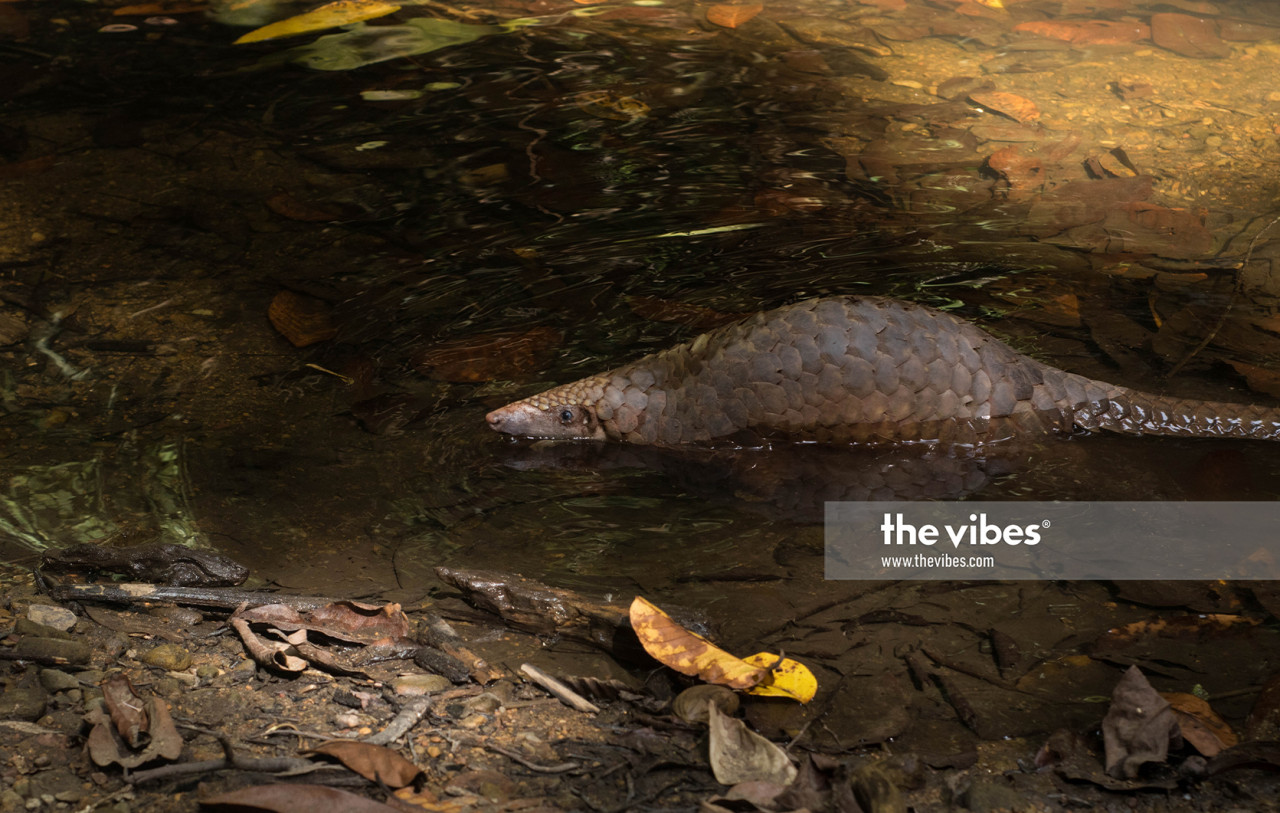
It may be surprising to some that the Sunda pangolin is an excellent swimmer, said Shavez.
“There is anecdotal and video evidence of them swimming in both rivers and the sea. In Brunei, a video recording shows a released pangolin entering a stream and swimming away to escape unwanted human attention.
“Videos of swimming pangolins have also been recorded in Sabah's west coast, in Pulau Tiga, Pulau Banggi, Pulau Sipadan and Pulau Gaya, which are islands quite distant from land. It is probable that pangolins colonised these islands by swimming from the mainland.
“There was also a report that a local fisherman saw a pangolin swimming out to the open sea, towards an island near Kudat. He followed it and confirmed that it reached the island.”
Pangolins are good climbers, too, but this ability is more widely known – tourist guides have photographed them in rainforest canopies, and loggers have seen them hopping about high among the trees.
Conservation in Borneo
Shavez said his love for the Sunda pangolin stems from his wish to conserve and protect the animal from misguided people who kill it for food or to use its scales in traditional Chinese medicine.
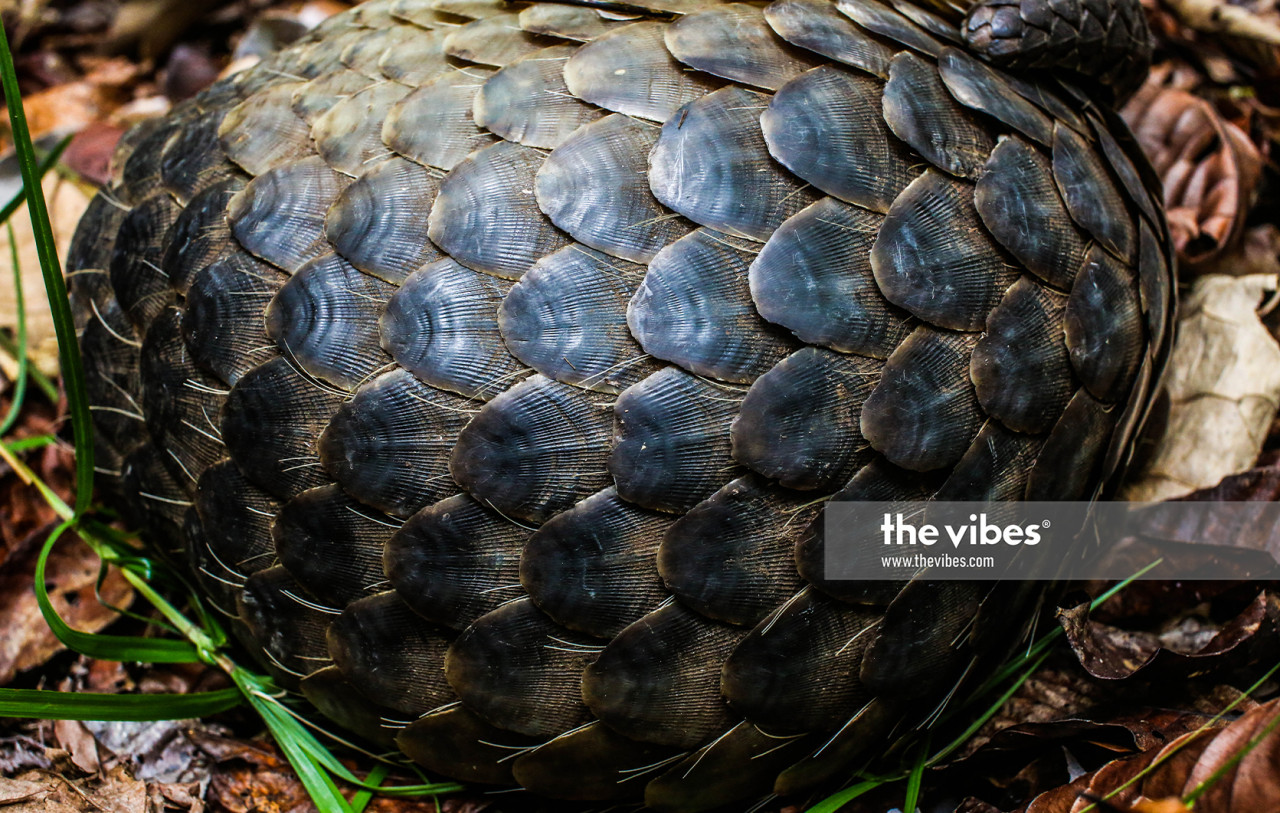
In some cultures, pangolin scales are believed to stimulate lactation, help drain pus and relieve skin diseases or palsy, when consumed.
Pangolins are also hunted for their meat, which is considered exotic.
However, there now seems to be greater optimism for the future of the Sunda pangolin in Borneo, after the Chinese government promised to reform wildlife trade laws.
On February 12, Beijing introduced a temporary ban on wildlife markets in the country after they were thought to be the source of Covid-19.
“This could mean a fall in demand for illegal trade in many wild animals, including the Sunda pangolin, and this, in turn, should result in less poaching in Borneo,” said Shavez.
“In conserving pangolins in Borneo, we must grasp any opportunity offered by global events beyond Borneo, for example, the impact of changes in the Chinese government’s policy and the Covid-19 pandemic.”
He said initiatives within Borneo to protect the pangolin are now better organised and funded.
“The Sabah Wildlife Department is doing its best to apprehend more poachers and traders, and its Wildlife Rescue Unit has saved more pangolins and is helping to raise awareness about pangolin conservation.
“The Sarawak Forestry Department is increasing its commitment to detecting and arresting online traders of pangolin products.
“1StopBorneo Wildlife, a local non-profit, and individuals such as Elisa Panjang, a pangolin researcher, are also contributing to initiatives to develop conservation awareness and report poaching.
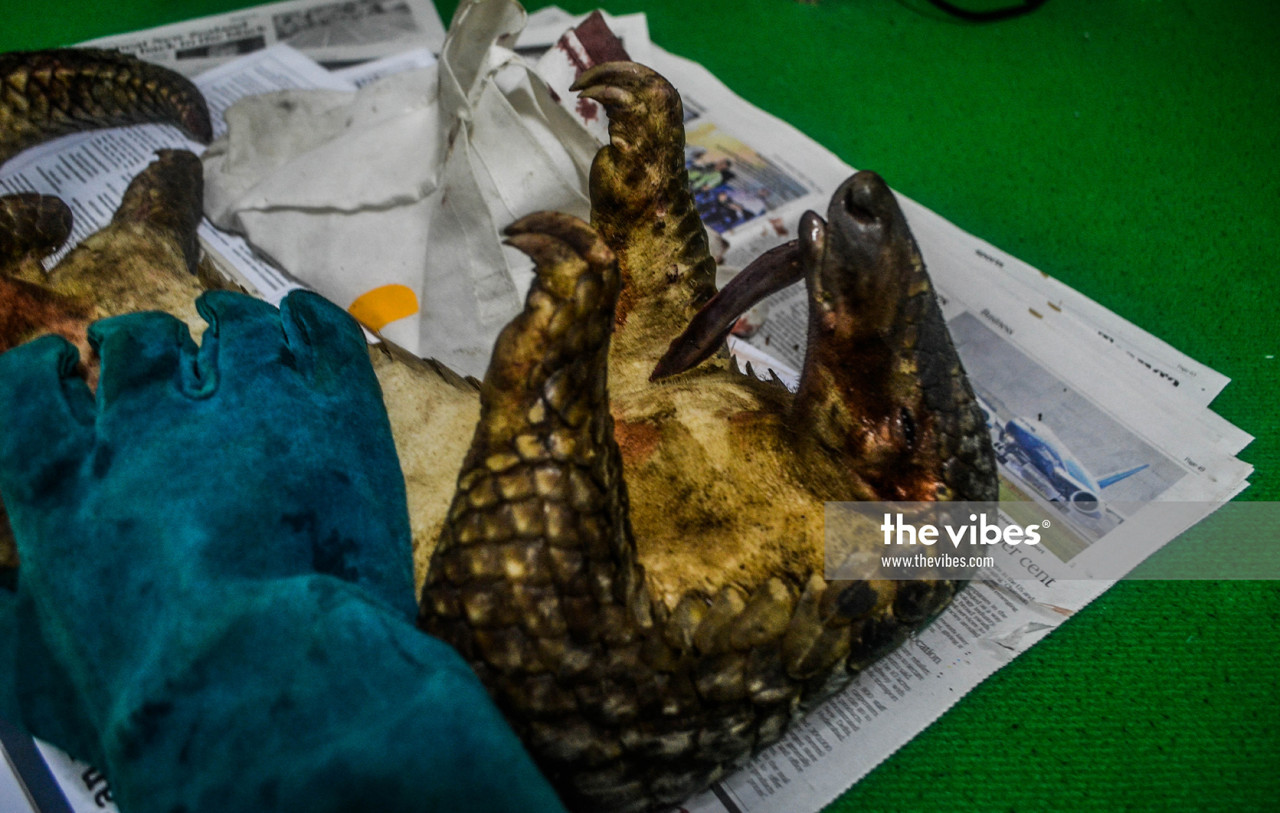
“I myself am leading various wildlife rescues in Borneo, either by physically leading them or through a network of rescuers in different cities and towns. We advise and guide them on the best way to release (the animals).
"In Sabah, we collaborate with the Wildlife Rescue Unit and give them information leading to rescues. To date, we have successfully conducted 137 rescues in Borneo.”
But, he said, more needs to be done to raise awareness and boost enforcement to save the species.
“Pangolin tourism is perhaps an avenue that could lead to the further protection of this species. Imagine tagging rescued pangolins and releasing them, and only high-paying wildlife tourists get access to view the animals, with no touching involved.
“This is being done with other species in Africa and Borneo, so why not the Sunda pangolin? There is no harm in trying.”
He said the public can lend a hand by reporting to the authorities about the illegal sale of pangolins.
Should anyone come across a wandering pangolin, as Shavez did that fateful night in 2011, he has this simple advice.
“If you stumble upon a pangolin crossing the road, try not to disturb it, and let it safely cross.” – The Vibes, November 23, 2020