KUALA LUMPUR – The government has channelled RM20.941 billion to 357,948 employers through the Wage Subsidy Programme (WSP) as of August 5 to maintain the employment of 2.96 million local workers.
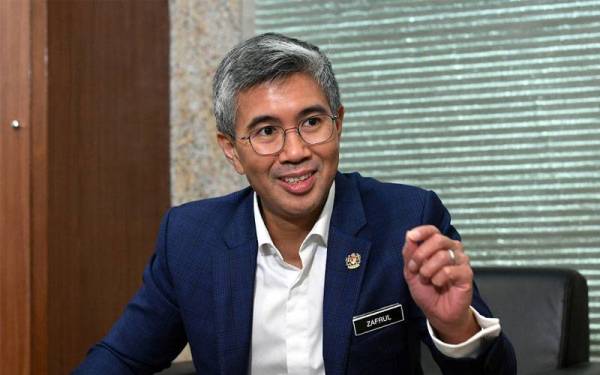
Finance Minister Datuk Seri Tengku Zafrul Tengku Abdul Aziz said under WSP 1.0, a total of 322,177 employers and 2.64 million workers have received WSP benefits as of August 5 under the Prihatin Rakyat Economic Stimulus package and the National Economic Recovery Plan.
“Approved wage subsidy applications have already reached RM12.95 billion,” he said in the 108th Laporan Kewangan Rakyat issued today.
As for WSP 2.0, a total of RM1.408 billion had been channelled to 81,165 employers to continue operating and maintain the employment of 719,294 workers.
Over the same period, a total of RM3.776 billion was channelled to 162,319 employers to maintain the employment for 1.53 million workers under WSP 3.0.
Additionally, under WSP 4.0, 164,004 employers received RM2.579 billion to retain 1.92 million workers as of August 5.
The minister added that RM219.65 million was channelled to 8,018 employers to maintain the employment of 123,759 workers under WSP 5.0 during the period.
Meanwhile, as of August 12, RM21.902 million worth of cash vouchers had been distributed to 6,799 final-year students and graduates under the Higher Education Ministry’s KPT-PACE programme.
Tengku Zafrul said a total of 40,095 personnel had successfully been placed in the public sector and government-linked companies (GLCs) through the Malaysia Short-term Employment initiative programme as at August 12.
Of the total, some 20,773 participants had been placed in the public sector while 119,322 personnel were placed in GLCs as well as other strategic partners, he said.
Tengku Zafrul also invited Malaysians to submit their suggestions for Budget 2023.
“The Finance Ministry has launched the 2023 Budget Proposal Portal to increase the government’s openness on the involvement of all citizens in the annual budget preparation process that is more transparent and reflects the needs of Malaysians.
“They can submit their proposals online via https://budget.mof.gov.my/bajet2023,” he said. – Bernama, August 26, 2022