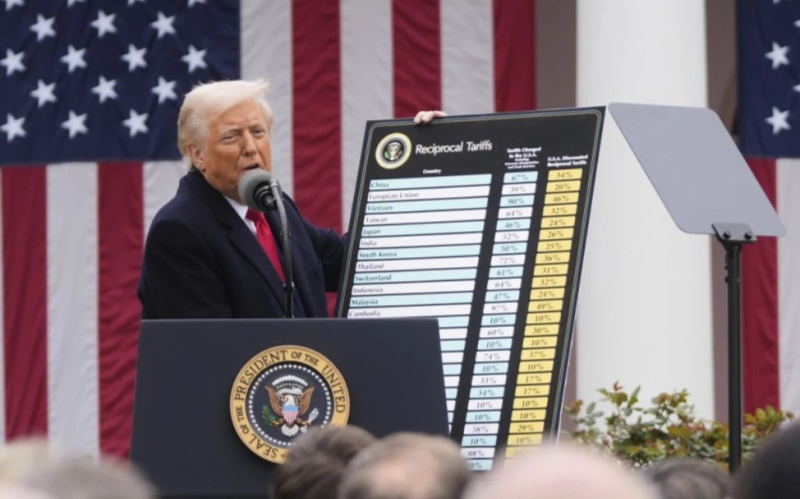

THE world is once again reacting to the turbulence of global power struggles. The latest round of US tariffs - targeted largely at China - has sent tremors through international trade networks.
For export-reliant economies like Malaysia, the immediate reaction may be to worry. But worry is not wisdom. And panic is not policy.
The truth is, Malaysia is not in crisis - we are at a crossroads. And the decisions we make now could determine our trajectory for decades to come.
Yes, we remain vulnerable to global shifts. But we are not directionless. In recent years, Malaysia has quietly but smartly diversified our trade relationships, reducing our dependence on any single superpower.
Through ASEAN, the Comprehensive and Progressive Agreement for Trans-Pacific Partnership (CPTPP), strategic South-South engagement, and growing ties with Africa and the Middle East, we have evolved from a mere trading post into a regional force with global relevance.
But this is not the time to be satisfied with incremental progress. The turbulence in global trade is an invitation - a challenge - for Malaysia to step forward as a hub of innovation, resilience, and responsible growth.
And the clearest path forward is green. If we are serious about building a sustainable, future-proof economy, we must stop thinking of green innovation as a niche sector. It is the sector.
From energy to manufacturing, from agriculture to logistics - sustainability must be our national value proposition. Consider rubber and tyre waste - one of the most severe and unaddressed environmental hazards in the world today.
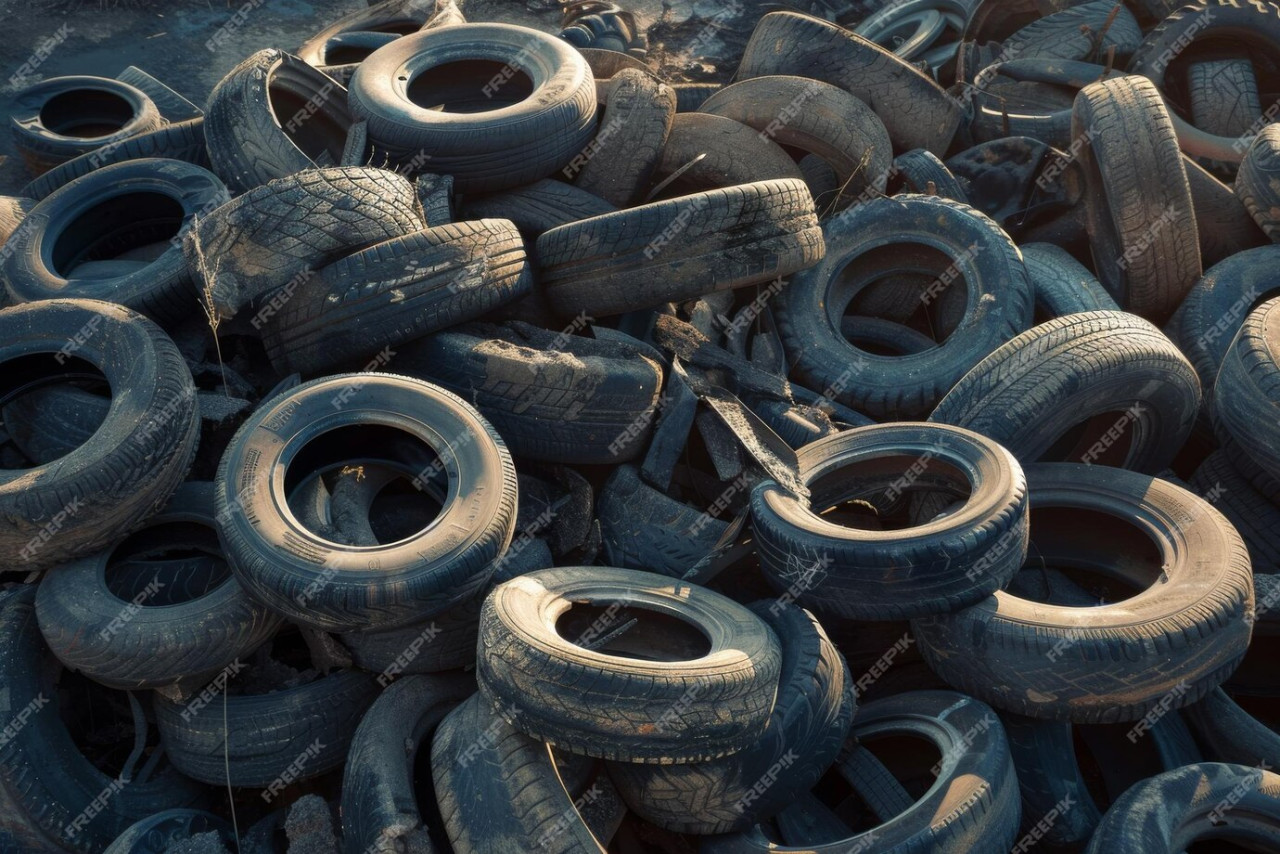
Every year, billions of tyres are discarded, with few countries having the infrastructure or innovation to manage them. These tyres leach toxins, pollute our water and soil, and sit for centuries in landfills or are burned, creating carcinogenic air pollution.
But what if Malaysia - already a major player in the rubber industry - took the lead in global rubber and tyre recycling? What if we developed world-class facilities, cutting-edge tech, and exportable solutions that tackled this massive problem head-on?
It’s not just possible - it’s necessary. And that’s just the beginning.
Malaysia has the talent and entrepreneurial spirit to lead in bio-based materials, circular economy systems, green energy, low-impact manufacturing, and sustainable agriculture. These are not feel-good initiatives. They are billion-ringgit industries that can place Malaysia at the centre of global supply chains - not because we’re cheap, but because we’re smart, sustainable, and scalable.
The world is crying out for real leadership - leadership that goes beyond rhetoric, that aligns capital with conscience.
Malaysia can be that beacon. But it will require bold policies, investment in innovation, and above all, a shared national belief that economic success must be tied to social and environmental purpose.
This is the moment to lean in, not lean back. To build, not blame. To lead, not lag. US tariffs may have disrupted old models. But they’ve also cleared space for new ones. Malaysia has a rare opportunity - not just to adapt, but to transform.
Let’s not waste it. Because history doesn’t remember the nations that survived global shifts. It remembers the ones that shaped them.
Datuk Dr Vinod Sekhar is the publisher of the Vibes and Chairman of the Petra Group