Murray Hunter
SEVEN months into open hostilities with Iran, the conflict shows no clear path to any resolution.
What began with a miscalculated attack on the Iranian leadership has been dragged into a grinding campaign of attrition, retaliatory strikes, and diplomatic deadlock.
Comparisons to Vietnam are no longer fringe commentary; they appear in strategic analyses and political debate.
Whether the analogy holds depends on which side of the argument one finds more persuasive.
Critics of the war see a classic open-ended quagmire in the making.
Intelligence assessments and battlefield data, they argue, point to a no-win situation, where Iranian forces and proxies continue to impose very heavy costs on U.S. and allied positions in the Gulf, while Tehran’s asymmetric capabilities with missiles, drones, and control over key chokepoints have eliminated any possibility of any US military victory.
Prolonged fighting has already unsettled Gulf partners.
The Emirates and Saudi Arabia face elevated risks to energy infrastructure and domestic stability, where some observers claim the House of Saud itself is under growing pressure from regional turbulence and inside discontent amplified by the war.
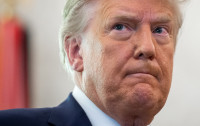
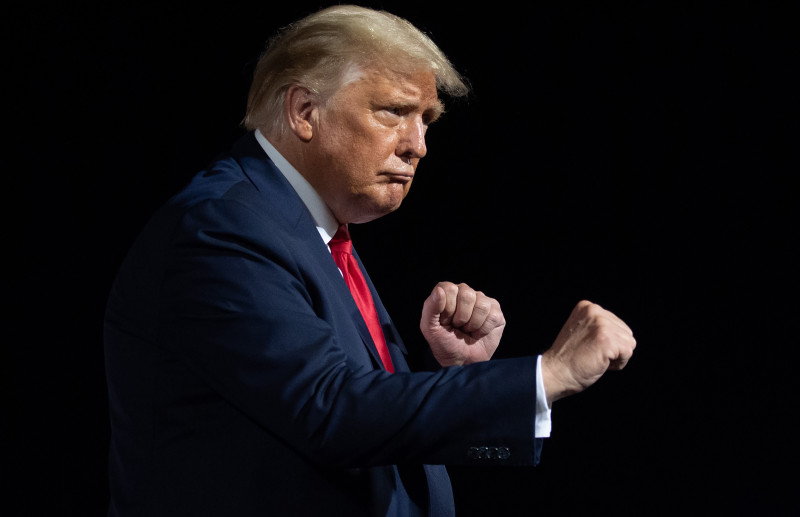
Hostilities that stretch beyond President Trump’s current term into the next administration would, on this view, define his legacy far more than any domestic achievements.
Midterm elections on November 3 will test this proposition.
A poor showing by MAGA Republicans could produce a hostile Congress willing to pursue aggressive oversight or even impeachment proceedings, potentially truncating the presidency.
Critics predict this would portray Trump as having been drawn into a needless conflict under pressure from Israeli Prime Minister Benjamin Netanyahu and hawkish voices in the administration and Pentagon, despite earlier efforts to restrain further escalation.
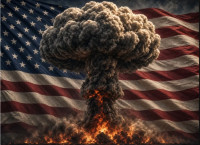
The worst-case scenario of nuclear use (even just tactical nuclear weapons), though remote, would fundamentally alter global security norms and leave a scar far deeper than any temporary military gains.
Earlier symbolic actions, such as the 2025 strike on Pickaxe Mountain that helped close the brief “12-day war,” now look like incomplete measures that failed to deter longer-term confrontation.
Recent reporting that Trump has blocked certain Israeli strike proposals in the weeks before the midterms only underscores, for sceptics, how little control Washington ultimately exercises once the fighting intensifies.
Supporters of the administration’s approach reject the Vietnam framing as both inaccurate and defeatist.
They emphasise measurable degradation of Iranian capabilities.
President Trump has repeatedly stated that U.S. and allied strikes have “decimated” Iran’s military and nuclear infrastructure, destroying large portions of its navy, air force, radar systems, and enrichment capacity.
As this narrative goes, Tehran will never obtain a nuclear weapon.
In campaign remarks, Trump has insisted the United States could withdraw immediately if it chose, because core objectives have already been met.
The conflict is not, in this telling, an endless ground war of occupation but a campaign of precise pressure designed to force Tehran to accept terms that permanently constrain its nuclear and regional ambitions.
From this perspective, responsibility for prolongation lies primarily with the Iranian regime, which has refused realistic negotiations and continues to threaten Gulf energy facilities, undersea cables, and other critical infrastructure.
However, this argument brushes aside the lack of trust the Iranian leadership has in what the US says and agrees to.
Trump’s public threats of another “little Epic Fury” and his simultaneous claims of military success are presented as calibrated leverage rather than reckless escalation.
Domestic political risk is acknowledged but downplayed with strong claims of progress on crime, energy, and traditional values offered as evidence that the MAGA coalition retains resilience even amid foreign policy strain.
Supporters contend that history will ultimately credit Trump with preventing a nuclear-armed Iran and for resisting pressure to expand the war beyond what national interests require, including by restraining Israeli proposals when they conflicted with the U.S. electoral calendar.
Both sides can cite evidence. The conflict has already lasted longer than early optimistic forecasts suggested, depleted certain U.S. munitions stocks, and raised oil-price and regional-stability concerns.
At the same time, Iranian conventional forces have suffered visible losses, and the administration continues to assert that a negotiated end remains possible once Tehran accepts core U.S. red lines.
The midterms will supply the first major political verdict. Whether the war ultimately resembles Vietnam, an open-ended commitment that consumes a presidency, or a finite, high-intensity campaign that achieves limited but lasting strategic results will depend on decisions still ahead.
The terms any settlement demands, the willingness of both sides to de-escalate, and the political costs Americans are prepared to accept.
What is already clear is that seven months of fighting have produced neither decisive victory nor clean exit.
That reality alone ensures the Vietnam comparison will remain part of the debate, regardless of which narrative eventually dominates the historical record. – October 25, 2026