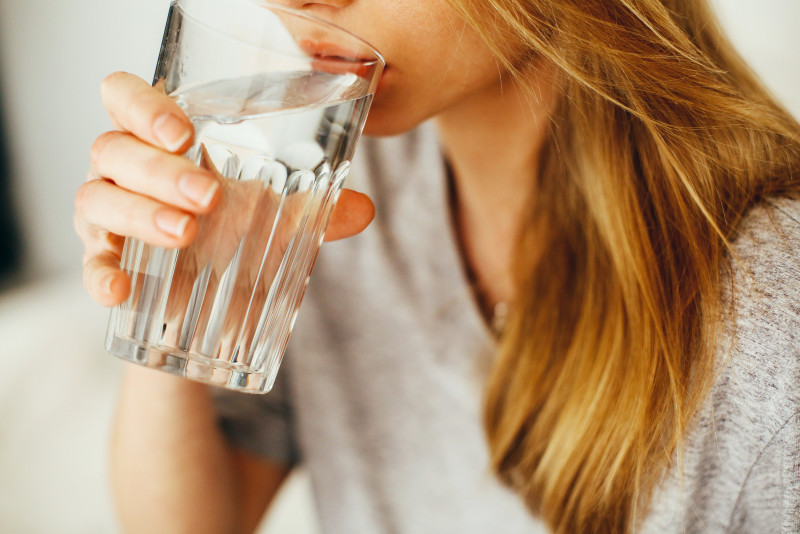


DO you know that dehydration can result in death?
As 70 per cent of our body consists of water, proper hydration is essential to maintain energy levels, a healthy weight and to flush out harmful toxins.
Half of what the body needs gets compensated by the food we eat while the other half by the water we consume.
In the case of endurance, hydration is so vital that any loss, however minor, can affect performance.
When it comes to sporting activities, perspiration is our biggest source of water loss, of up to several litres per hour.
Under these conditions, hydration becomes critical and severe dehydration can result in death.
Here’s a question for you, what are the common signs of dehydration that you’ve come across?
In my experience as an athlete, these are the most common symptoms of dehydration:
• Dry skin
• Bad breath
• Low blood pressure
• Migraine and headaches
• Concentrated dark urine
• Muscle cramps and fatigue
• Decreased sweat production
• Feeling thirsty
*FUN FACT: If you're thirsty, you're already dehydrated.
• Increase in cravings, especially for sugary foods (one of the ways dehydration can lead to weight gain)
The health risk that comes with dehydration is equally high.
When the volume of water decreases in blood plasma, the heart takes more effort to propel the thickened blood through the vessels.
As blood circulation becomes increasingly difficult, the rate of oxygen and nutrients supplied to the muscle decreases along with its ability to flush toxins out.
Under these conditions, performance starts to decline because the loss of water amounting to one per cent of bodyweight implies a decrease in physical performance by ten per cent.
Water acts as a lubricant for the tendons and contributes to the elimination of nitrogenous waste. A depletion can cause tendinitis, which is an inflammation of the tendons.
Adequate hydration helps to cool down an athlete during a session. If this is overlooked, the body runs the risk of suffering a thermal shock, or heat stroke.
As a result of vigorous activities under the sun, heat stroke stems from high temperatures and humidity as well as a lack of ventilation and water.
During a heat stroke, the body temperature rises and exceeds a critical threshold. This leads to headaches, a rapid heartbeat and a drop in blood pressure.
Heatstroke is a serious issue that must be treated immediately because it can lead to neurological complications and even death.
In conclusion, one needs to consume lots of water, avoid workouts in high temperatures and wear breathable clothing.
Preferably, it would be better to run along shaded routes and to stop immediately when you develop symptoms, such as headaches, goosebumps, nausea and dizziness.
With that, love, Tana ─ The Vibes, 3 February, 2021