_2.PNG)


I used to think that the Olympic Games was a contest amongst the most physically fit athletes around the world. That the strongest athlete would prevail, the fastest would finish first and the athlete to jump the highest would stand on the top step of the podium.
But having had the opportunity to ask many athletes what was the key to their success, I witnessed a recurring theme amongst an overwhelming majority of Olympic and world champions – they all attribute their achievement to one single element - mental fitness.
A lot of elite athletes today understand the importance and impact mental fitness can have on their game. When two athletes are equally matched in strength and in skills - mental fitness can be key in deciding who walks away victorious.
2017 badminton world champion Viktor Axelsen shared that he started working with a mental coach who is a former professional army soldier from the Danish elite special operations forces called Jaeger Corps. His mental coach helped him get through 2020 - perhaps the most challenging year of all our lives, as he recovered from ankle surgery, welcomed the birth of his new daughter and prepared to mount a challenge for the Olympic gold. Upon his return to competition, the Dane has applied his military mindset on court and has only lost 2 of his 25 World Tour matches this year so far.
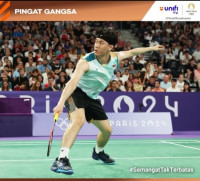
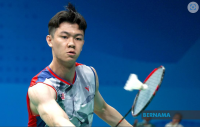
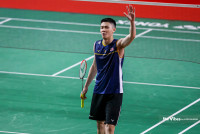
Incidentally, his most recent loss was to our newly crowned All England Open champion, Lee Zii Jia, who beat Axelsen in the final. Ahead of the tournament, I asked Zii Jia what was the one thing he wanted to emulate from his idol, Lee Chong Wei, and Zii Jia shared that it was Chong Wei’s “never give up” spirit. In other words, mental toughness.
And we witnessed Zii Jia’s mental strength on full display during the final as he clinched one of badminton’s most prestigious titles. From overcoming nerves to win an incredible first game that stretched to the maximum of 30 points, to the disappointment of losing the second game, Lee did not falter and instead dug deep to snatch victory in a match that will be talked about for some time. But more importantly, Zii Jia proved that he has within him, the mental toughness to take on and beat the best in the world.
Joseph Choong is a modern pentathlete from Great Britain who was in a position to clinch a medal at Rio 2016, but instead ended up finishing tenth overall. Since then, he shared how he has been working on “the extra level of concentration at the end of the competition.”
In a sport that combines swimming, fencing, equestrian, running and shooting, Choong isn’t trying to lift more weight or training to sprint faster. Instead, he opted to work on raising his mental ability to focus to a higher level. And since doing so, he has picked up a world championship silver medal and won the 2019 World Cup finals.
.PNG)
When I asked 2004 Olympic badminton champion Taufik Hidayat, what it takes to win a gold medal at the Games, the Indonesian legend revealed that it was a daunting task that requires extraordinary levels of mental strength. It wasn’t so much about being the fittest or being able to smash the hardest. But rather to be mentally strong to fend off the pressure that will descend upon an athlete vying for Olympic glory.
I feel there are a lot of lessons to be learnt from the success of athletes. In our daily lives, it is often trendy to post our fitness regimes and milestones of running further, lifting heavier and jumping higher on social media. Perhaps we should also take a leaf out of the elite athlete’s playbook and make some time to focus on improving our mental strength. It can certainly help us tackle issues like anger, frustration and depression and see if that has a positive impact on how we live our lives in this post Covid-19 world. - The Vibes, April 10, 2021




.JPG)