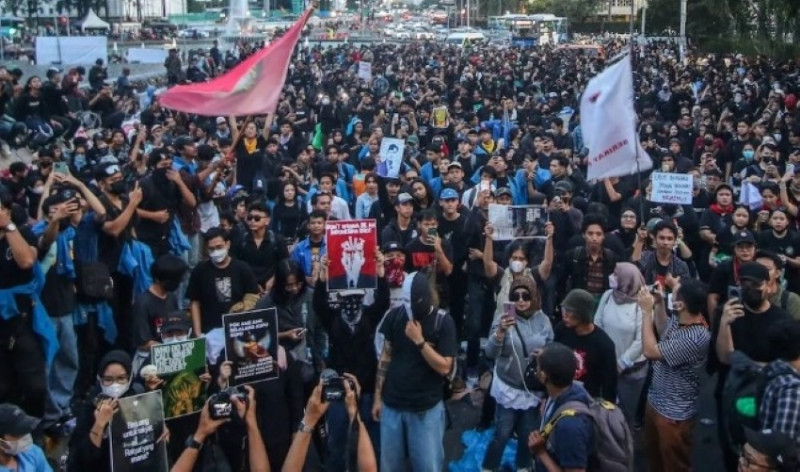
INDONESIAN police have arrested 580 individuals amid a wave of mass demonstrations that have swept across six key districts in East Java since the past weekend, as public anger mounts over parliamentary perks and alleged abuses by security forces.
The arrests were made in Surabaya, Malang, Sidoarjo, Jember, Kediri and Banyuwangi, with authorities accusing protest participants of inciting public disorder and damaging property.
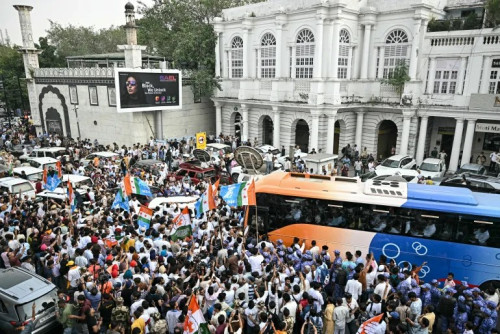
According to local media reports, the protests form part of a broader national movement demanding institutional security reforms, rejecting increased allowances for members of the House of Representatives (DPR RI), and calling for the release of detained indigenous communities.
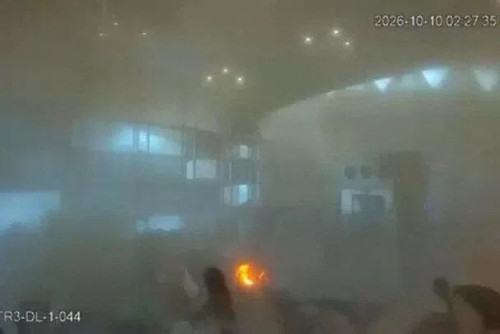
Tensions flared in several areas as protesters clashed with security personnel. A police spokesperson stated that the detentions were necessary “to prevent continued rioting and to safeguard public safety.” Authorities have also warned of firm action against any parties attempting to incite unrest.
The wave of protests began in Jakarta on 25 August and has since spread to other regions, including East Java. Security forces have stepped up their presence at strategic locations and urged the public not to be swayed by provocation that could threaten national stability.
The United Nations has called for an investigation into reports of excessive force by authorities after six people were reported killed during the unrest sparked by outrage over extravagant parliamentary allowances.
“We stress the importance of dialogue in addressing public concerns,” said Ravina Shamdasani, spokesperson for the UN Office of the High Commissioner for Human Rights, in a statement yesterday. She confirmed that the office is closely monitoring the violence in the wake of widespread protests linked to austerity measures, parliamentary pay and allegations of heavy-handed security tactics.
The UN rights body has urged a “prompt, thorough and transparent investigation” into all allegations of violations of international human rights law, including the use of force.
“All security forces, including the military deployed for law enforcement duties, must adhere to the fundamental principles on the use of force and firearms by police,” she said.
Shamdasani also underscored the need for authorities to uphold the rights to peaceful assembly and freedom of expression while maintaining order, in line with international norms for managing public demonstrations. She further emphasised the importance of allowing media to report on the situation freely and without bias. - Sept 2, 2025