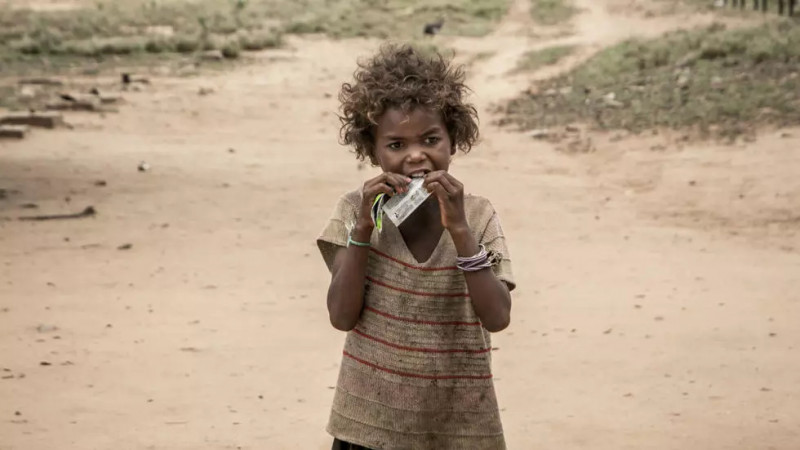
ALMOST 14 million people across six conflict-affected nations are at risk of falling into severe hunger due to a sharp decline in global humanitarian funding, the United Nations World Food Programme (WFP) has warned.
Reuters cited in a new report titled ‘A Lifeline at Risk’, the Rome-based agency cautioned that reductions in food assistance could push 13.7 million people from “crisis” to “emergency” levels of hunger – one step below famine on the five-tier international scale.
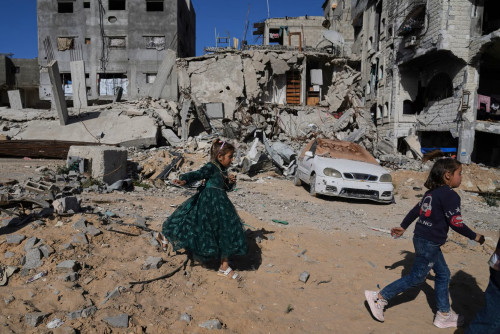
The countries facing the greatest risk are Afghanistan, the Democratic Republic of Congo, Haiti, Somalia, South Sudan and Sudan.
“The gap between what WFP needs to do and what we can afford to do has never been larger. We are at risk of losing decades of progress in the fight against hunger,” said WFP Executive Director Cindy McCain.
WFP said it expects to receive 40 per cent less funding in 2025, amounting to a projected budget of US$6.4 billion, down from US$10 billion in 2024.
The agency’s operations have been severely constrained by cuts from its largest donor, the United States, as well as reductions from other leading donor nations.
“WFP’s funding has never been more challenged,” the agency said in a statement.
The report warned that without urgent support, people in the affected countries would slide deeper into food insecurity, with families forced to adopt desperate coping mechanisms to survive.
“It’s not just the countries engulfed in major emergencies. Even hard-won gains in the Sahel region, where 500,000 people have been lifted out of aid dependence, could experience severe setbacks without help, and we want to prevent that,” McCain added.
The WFP’s findings underscore the growing impact of declining international solidarity in the face of prolonged crises, inflation, conflict and climate-related disasters – all of which are exacerbating global food insecurity. - October 15, 2025