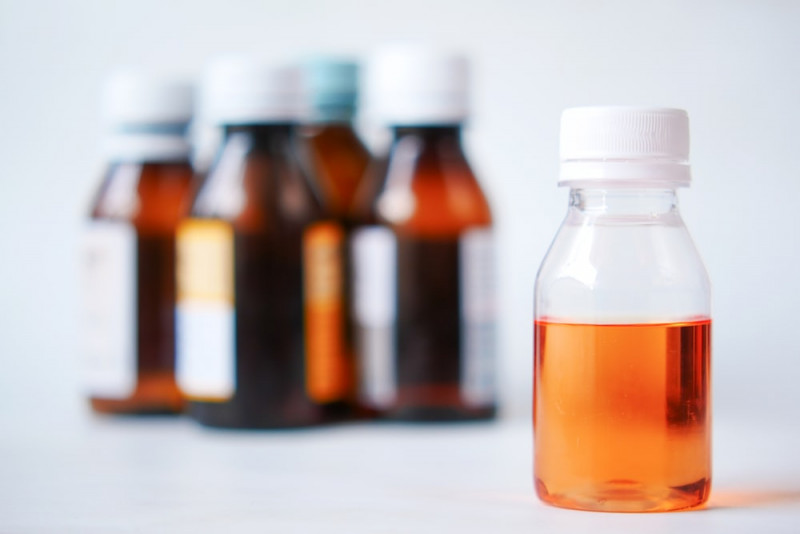
INDIAN authorities are investigating a deadly contamination of Coldrif cough syrup that has claimed at least 24 young lives, focusing on potential safety lapses in the supply chain of a pharmaceutical ingredient, according to officials familiar with the matter.
Reuters, on Friday, cited investigators suspect that the solvent used in the syrup, propylene glycol (PG), may have been contaminated with the highly toxic chemical diethylene glycol (DEG) before it reached the manufacturer, Sresan Pharmaceutical.
Three health and drug safety officials from Tamil Nadu state told Reuters that Sresan obtained 50 kilograms of PG from local distributor Sunrise Biotech on March 25, which had in turn sourced it that day from Jinkushal Aroma, a small company producing fragrance blends and other chemicals.
DEG, sometimes fraudulently or accidentally used in medicines in place of PG, is known to cause acute kidney damage and death in children.
Authorities are investigating how the toxic chemical was introduced into the solvent, which serves as a base for dissolving active ingredients in the cough syrup.
“Chemical makers typically deliver PG solvents to clients in sealed containers to avoid contamination,” Reuters reported, but Sunrise admitted repackaging the solvent without a seal before delivery, while neither Sunrise nor Jinkushal held the licences required to handle pharmaceutical-grade ingredients.
Both companies denied knowledge of how the solvent might have become contaminated.
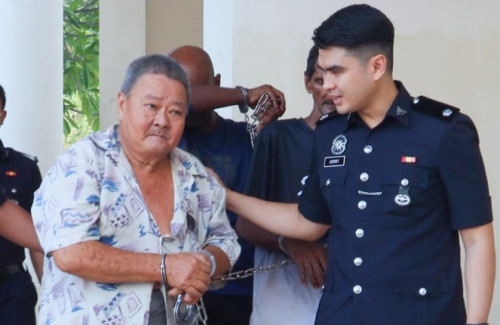
Sresan’s manufacturing licence has been revoked, and its founder, G. Ranganathan, is in custody. Inspections of the company’s factory outside Chennai revealed hundreds of “critical” and “major” violations, including storing products in unhygienic conditions and falsifying data.
However, the state regulator did not directly link those breaches to the deaths.
Documents reviewed by Reuters show that the PG used by Sresan was originally produced by South Korean company SK picglobal and shipped in sealed 215 kg barrels.
Jinkushal broke the seals and repackaged the chemical, and Sunrise then transported it to Sresan in unsealed containers because the manufacturer did not require the full original supply. SK picglobal confirmed it prohibits repacking or redistribution, warning customers that quality cannot be guaranteed once the product has been repackaged.
The tragedy has revived concerns about safety standards in India’s US$50 billion pharmaceutical sector, which previously faced international scrutiny after more than 140 children in Africa and Central Asia died from contaminated Indian-made cough syrups in 2022 and 2023.
Despite regulatory pledges to improve quality controls, the deaths highlight persistent gaps in oversight.
Tamil Nadu health officials noted that Sresan had been penalised in previous years for product violations, yet the factory had not undergone inspections since 2023.
“Despite Sresan’s track record and regulations that require annual checks, the drugmaker’s factory had not been inspected since 2023,” said two state health officials. - November 21, 2025