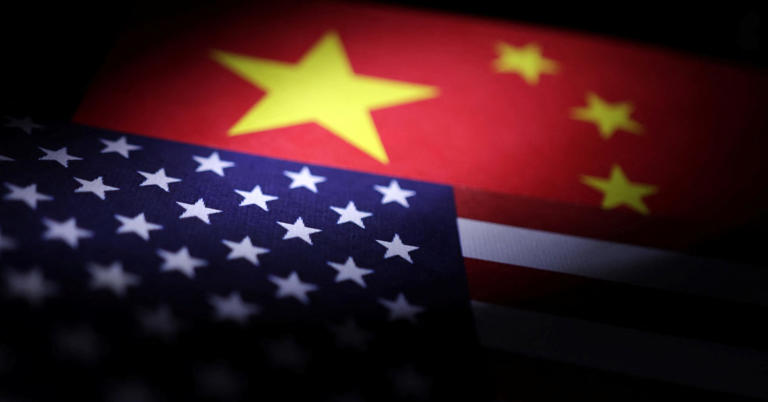
THE United States government has signalled its intention to impose tariffs on Chinese semiconductor imports, citing China’s “unreasonable” efforts to dominate the global chip industry, but will defer the measures until June 2027.
According to a filing by the U.S. Trade Representative (USTR), the specific tariff rate will be announced at least 30 days prior to implementation.
The announcement follows a year-long investigation under “Section 301” into China’s exports of older-generation, or “legacy,” semiconductor chips to the United States, a probe originally initiated by President Joe Biden’s administration.
“China’s targeting of the semiconductor industry for dominance is unreasonable and burdens or restricts U.S. commerce and thus is actionable,” the USTR stated.
The Chinese Embassy in Washington criticised the proposed tariffs, warning that “to politicize, instrumentalize and weaponize trade and tech issues and destabilize the global industrial and supply chains will benefit no one and will eventually backfire.”
It added that Beijing “will take all measures necessary to firmly safeguard our lawful rights and interests.”
The delayed imposition of tariffs preserves former President Donald Trump’s authority to enact the duties while aiming to ease tensions with Beijing.
This comes amid Chinese export restrictions on rare earth metals, which are critical to the global technology sector and largely controlled by China.
In parallel, Washington has postponed a rule that would restrict U.S. technology exports to subsidiaries of already blacklisted Chinese firms.
A separate review is underway that could permit shipments of Nvidia’s second-most powerful artificial intelligence chips to China, despite concerns from U.S. lawmakers about potential military applications.
The U.S. semiconductor industry is also awaiting the outcome of a broader “Section 232” investigation into global chip imports.
That probe, conducted under national security grounds, could result in additional tariffs on Chinese semiconductors and electronic devices containing them from other countries.
However, officials have indicated that any such levies may not be implemented immediately. - December 24, 2025